



Dirndl
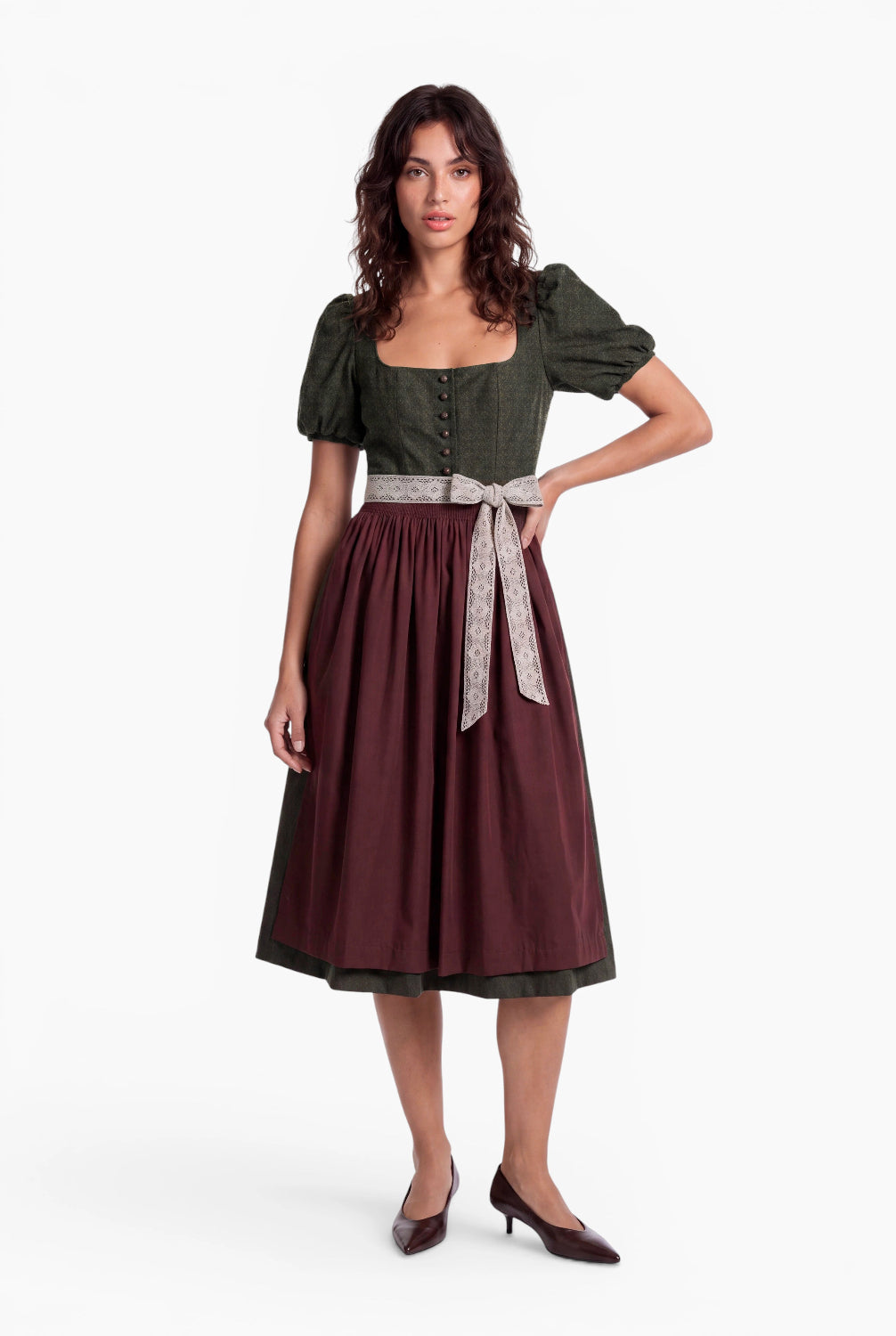
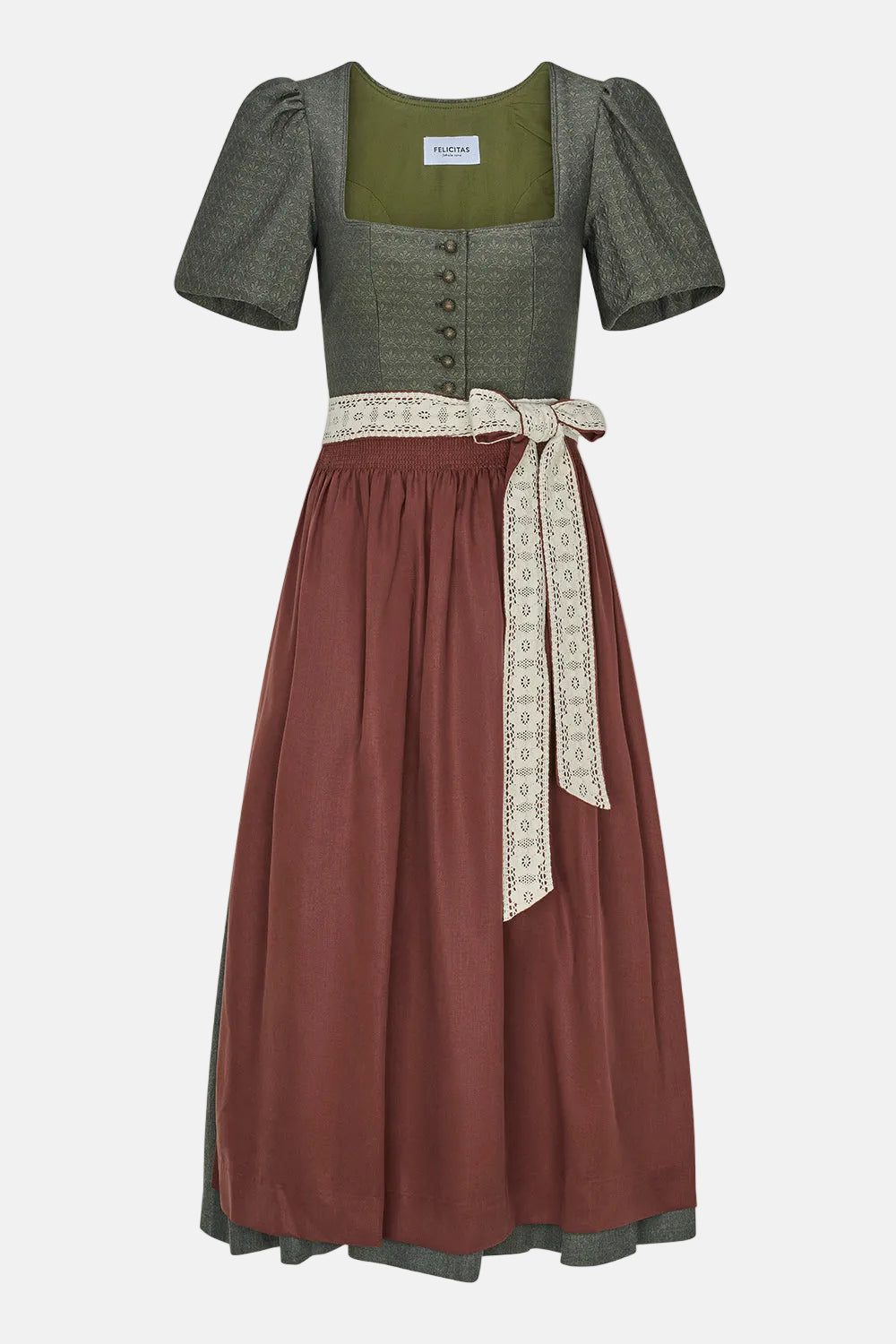
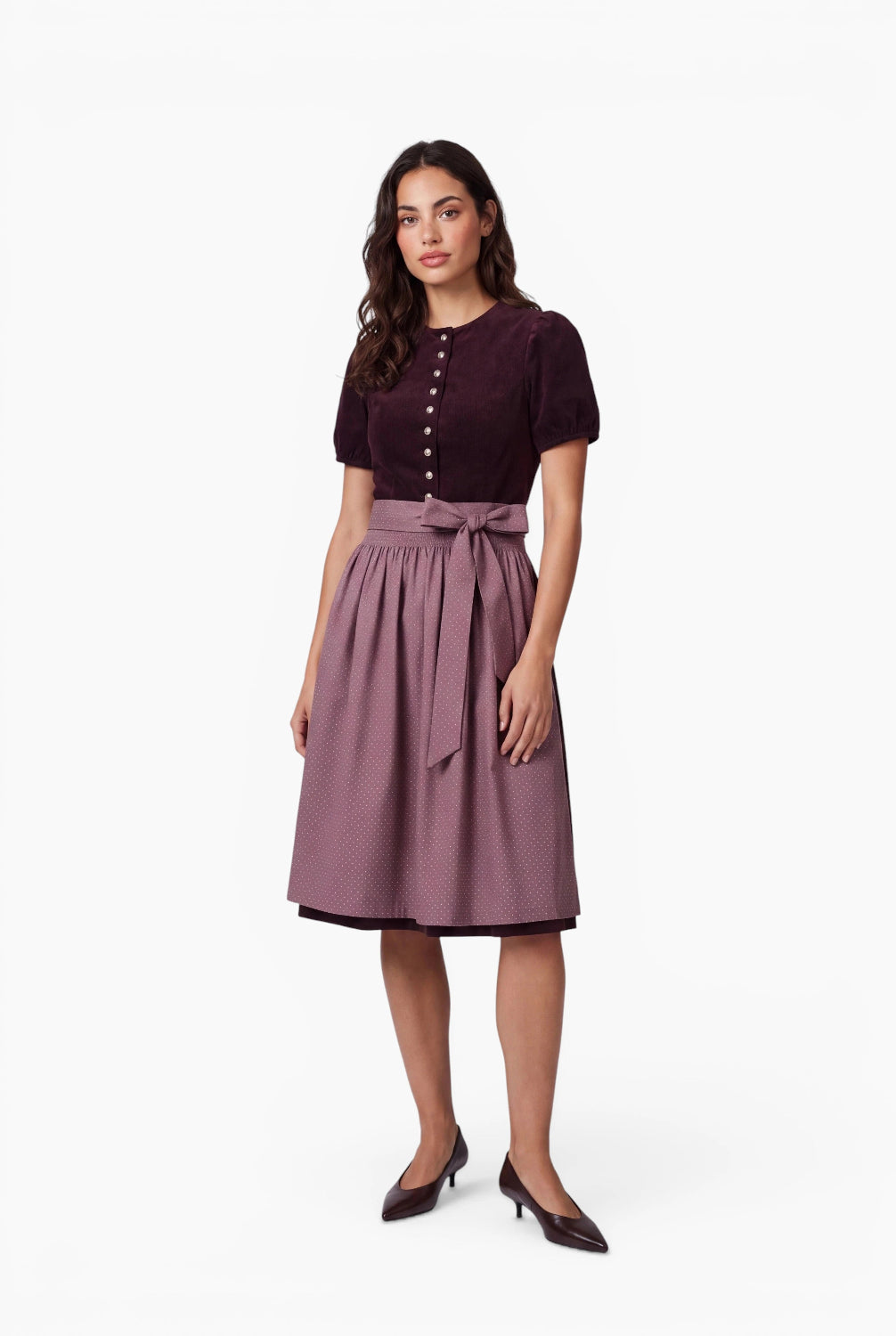
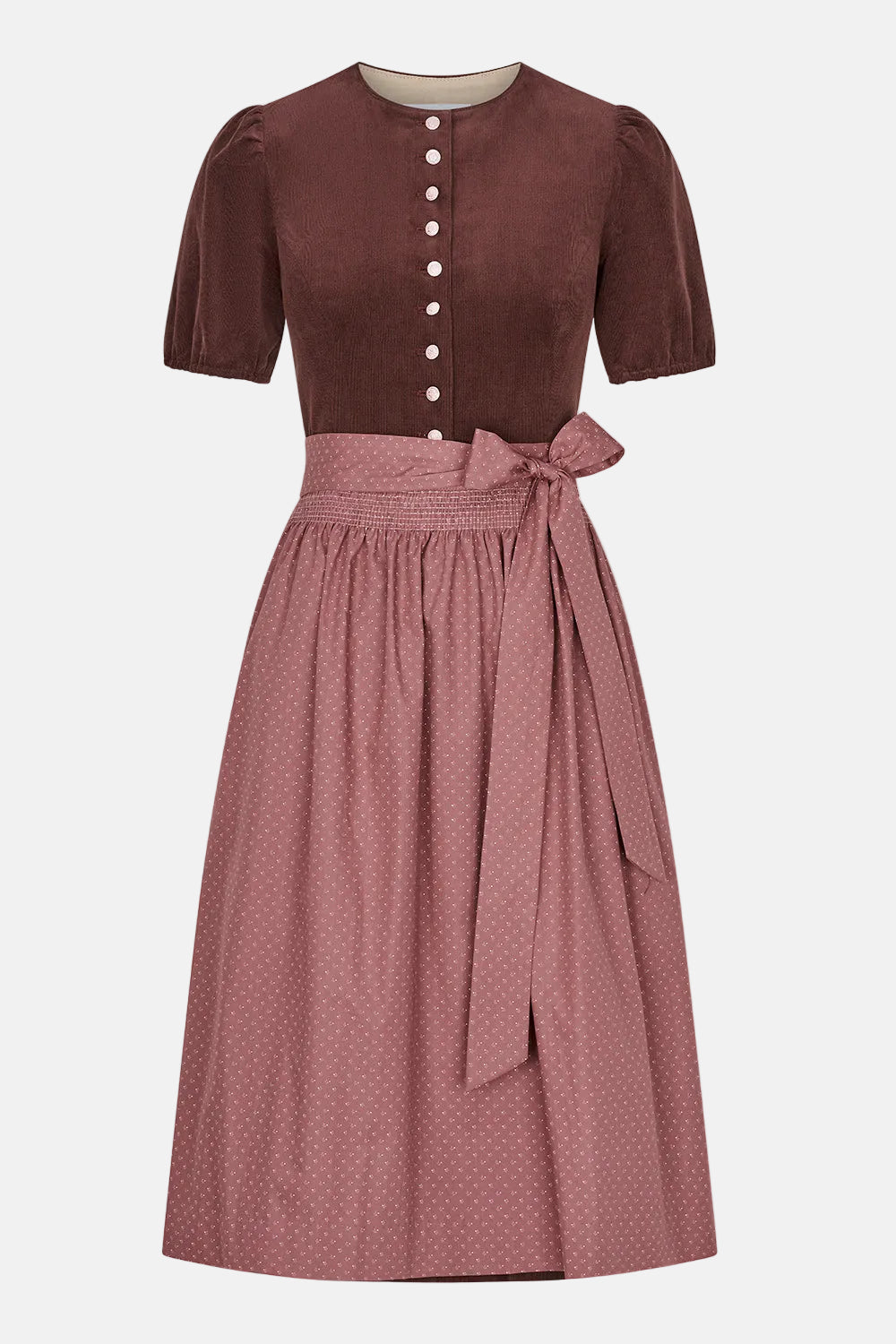
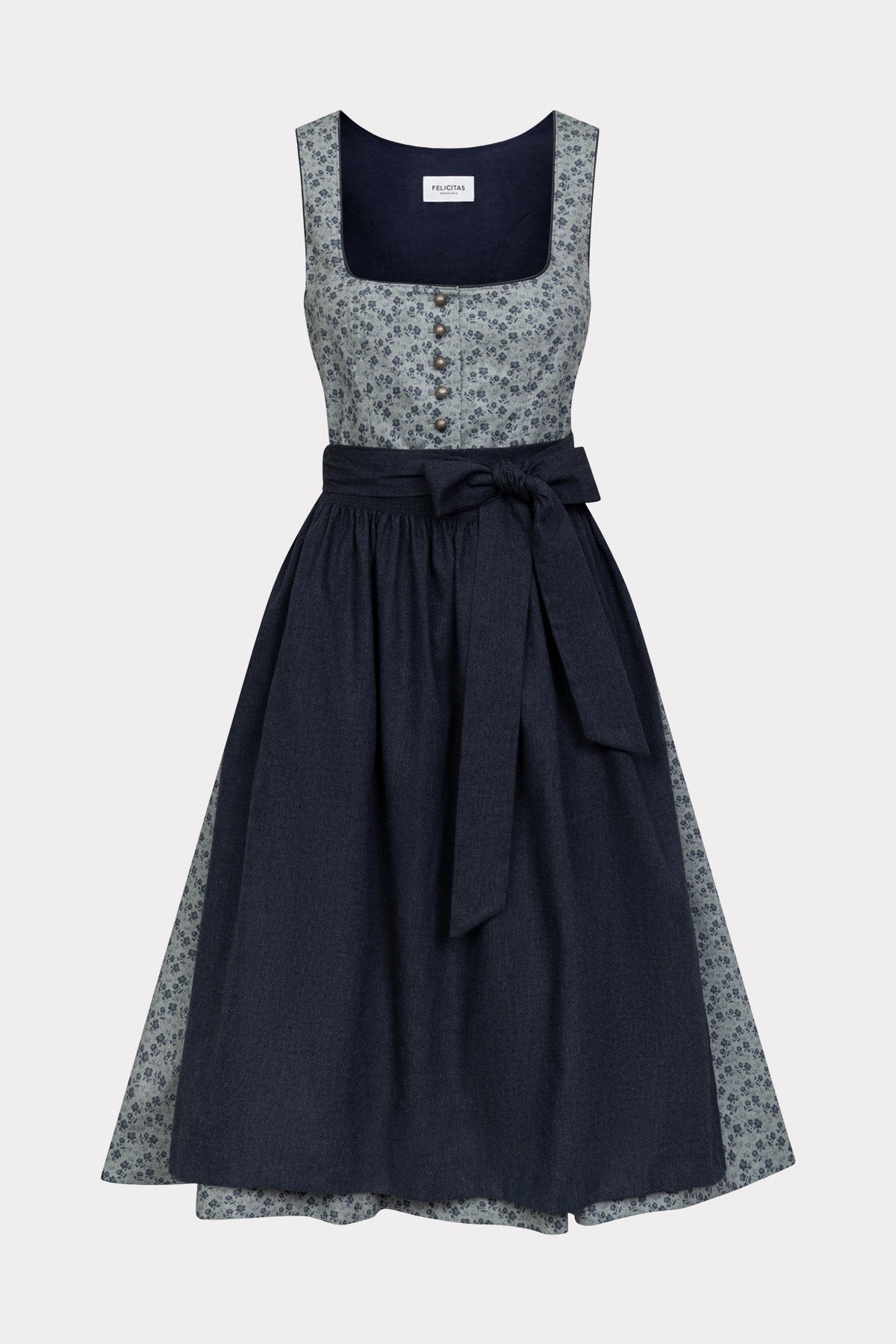
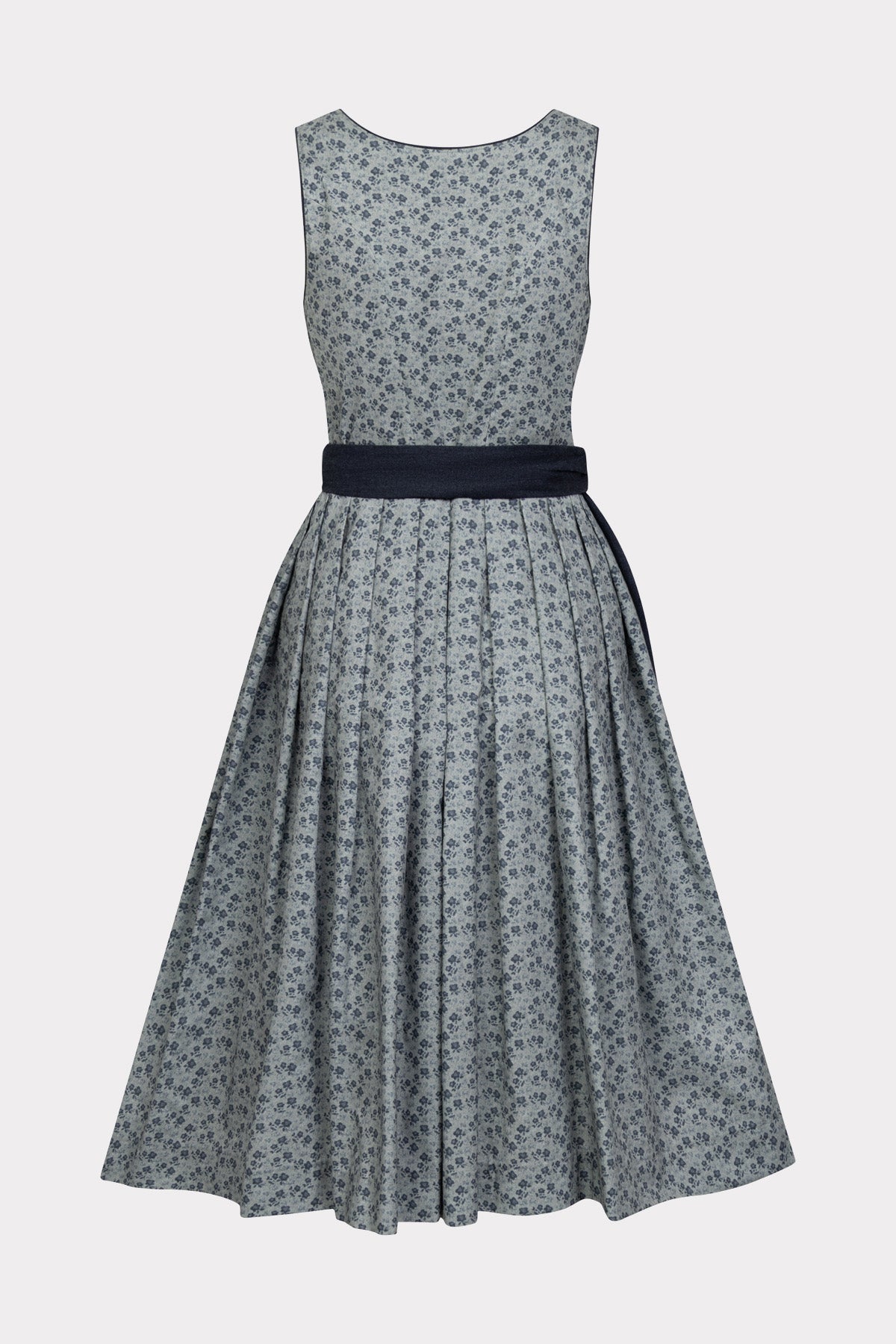
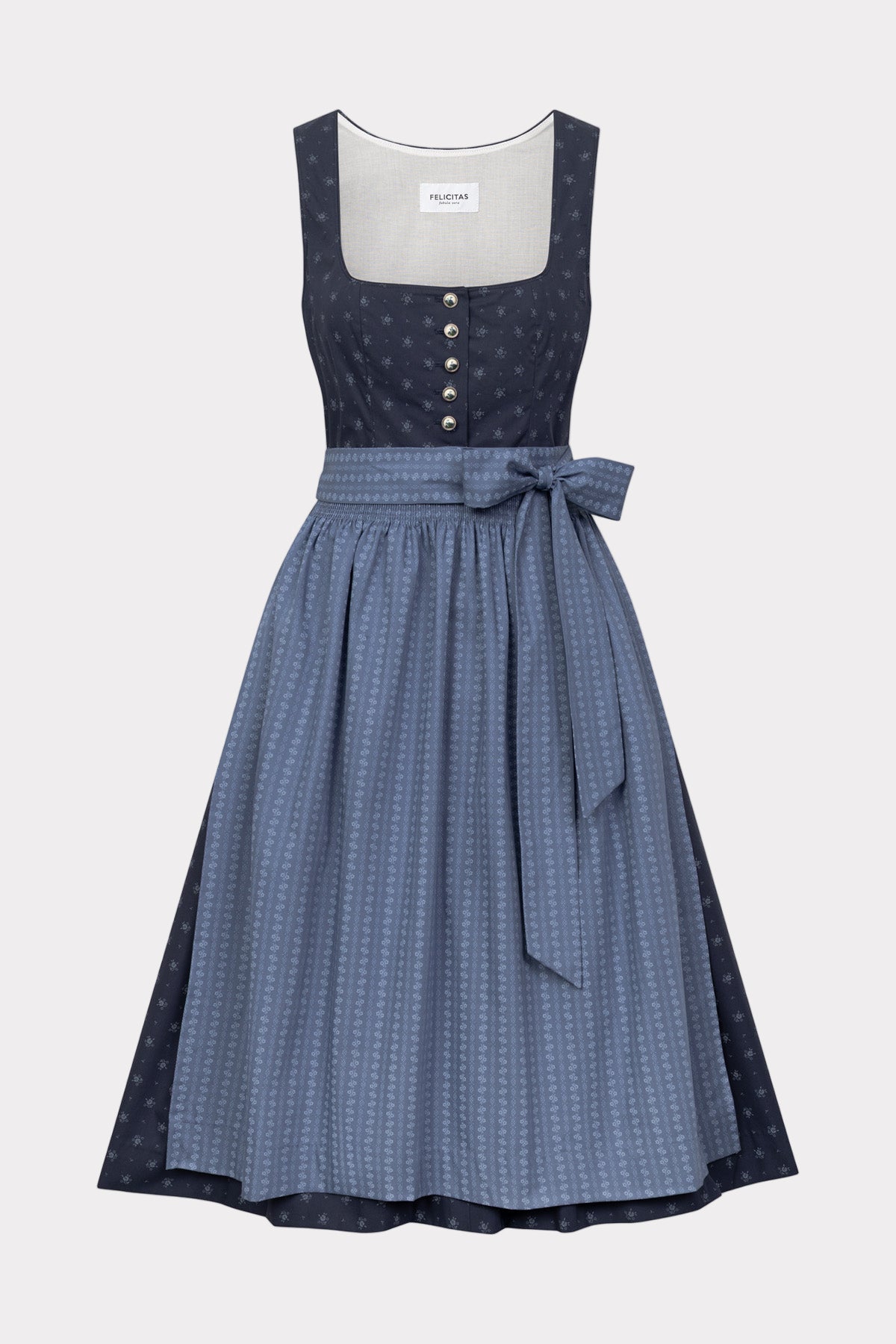
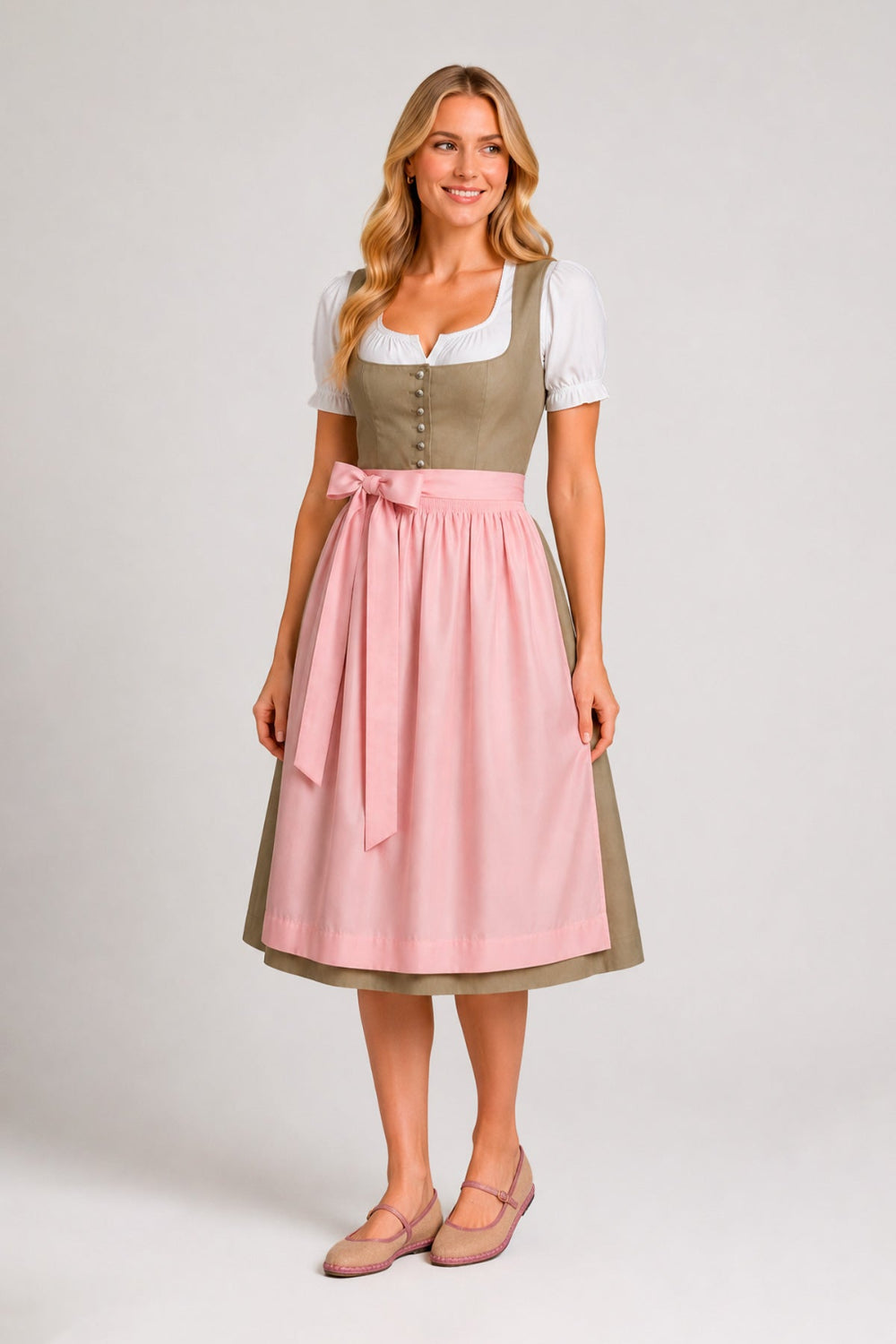
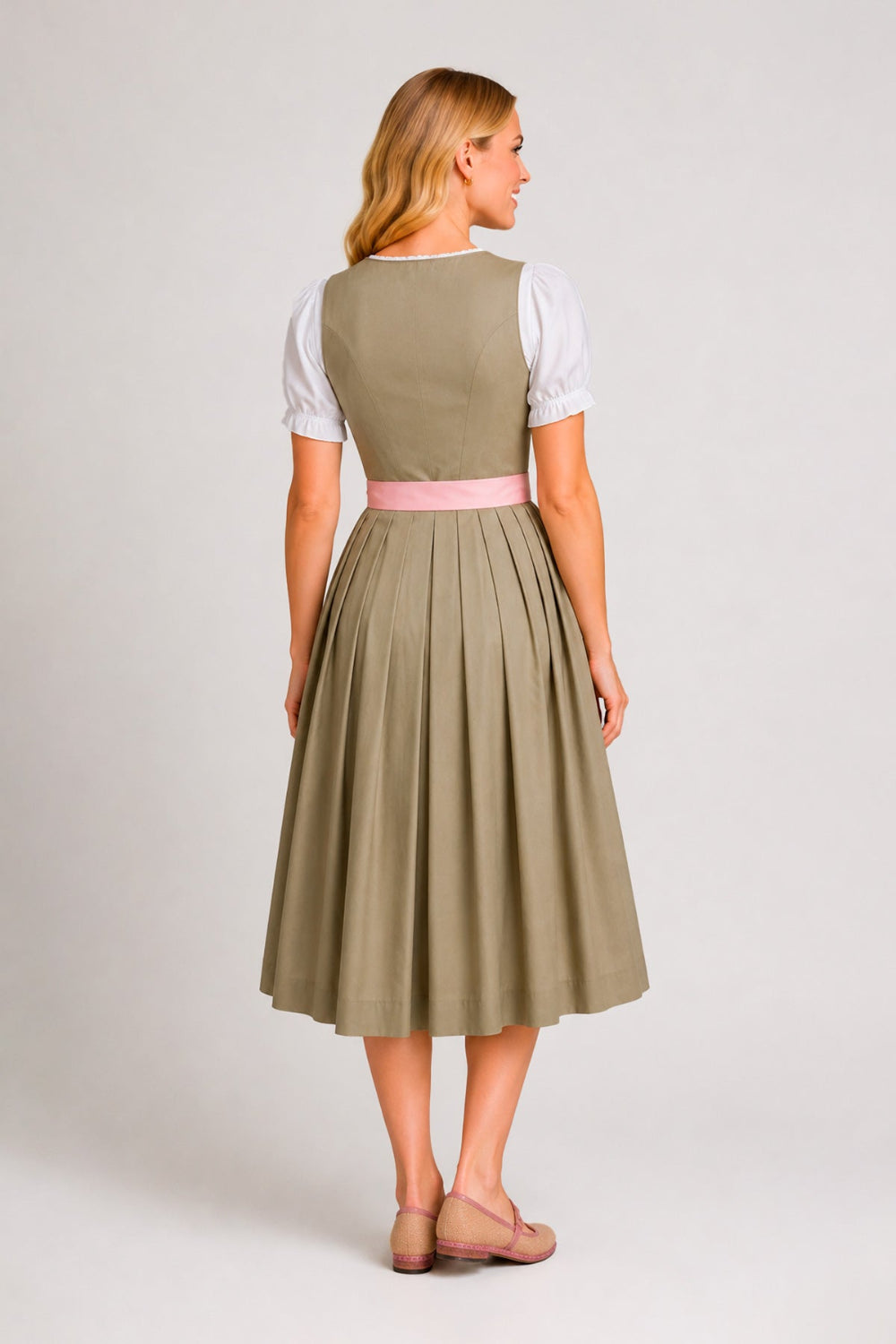
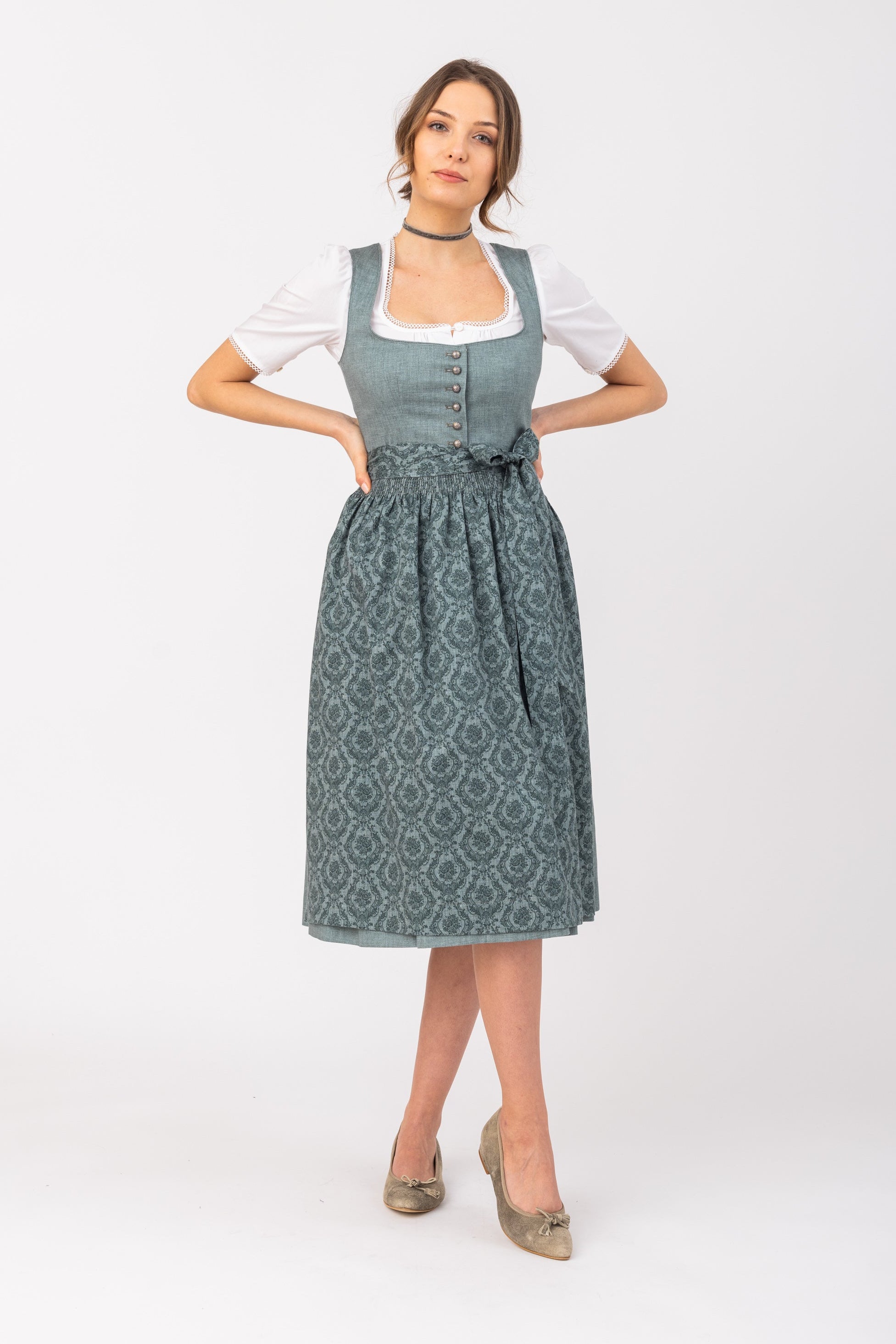
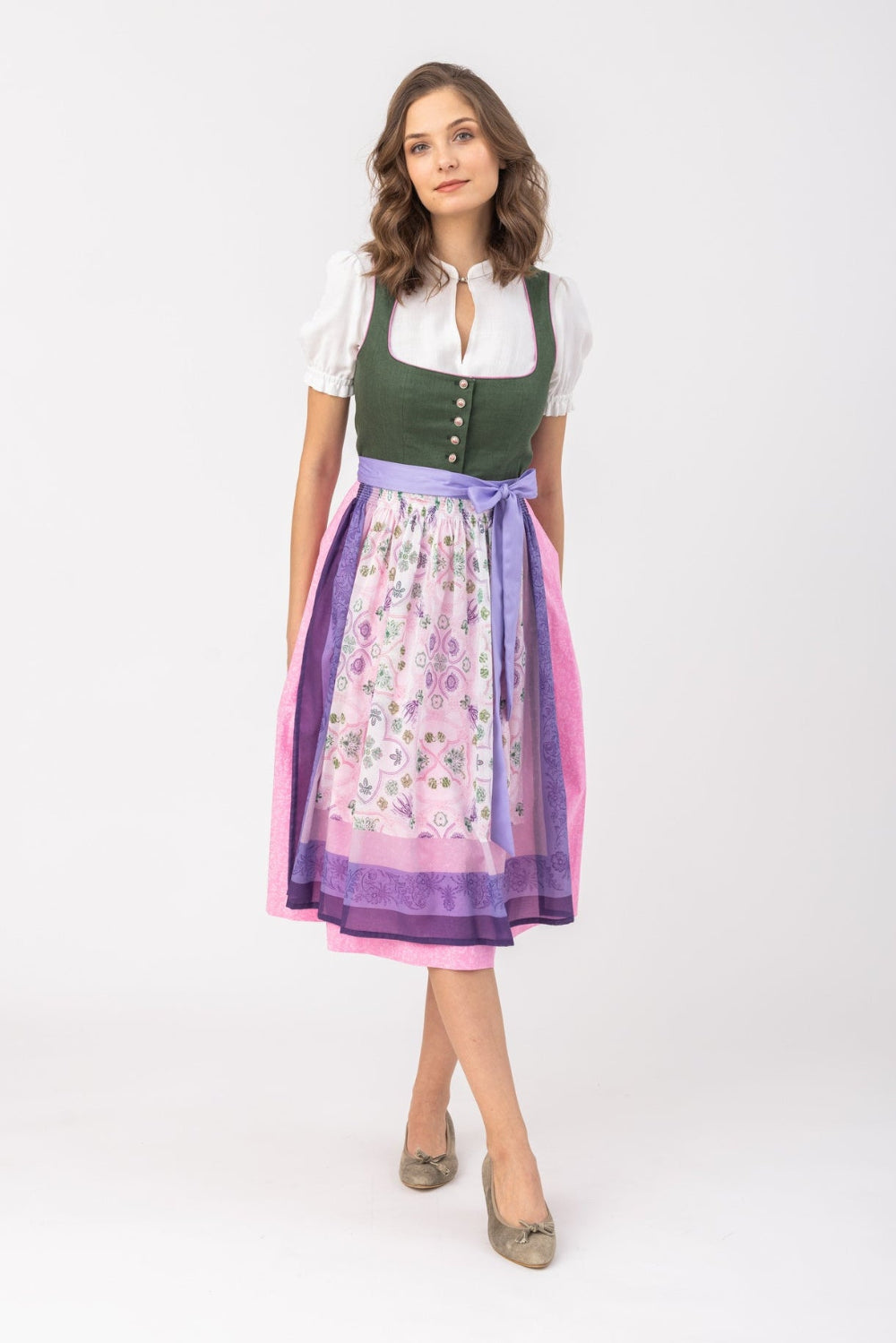
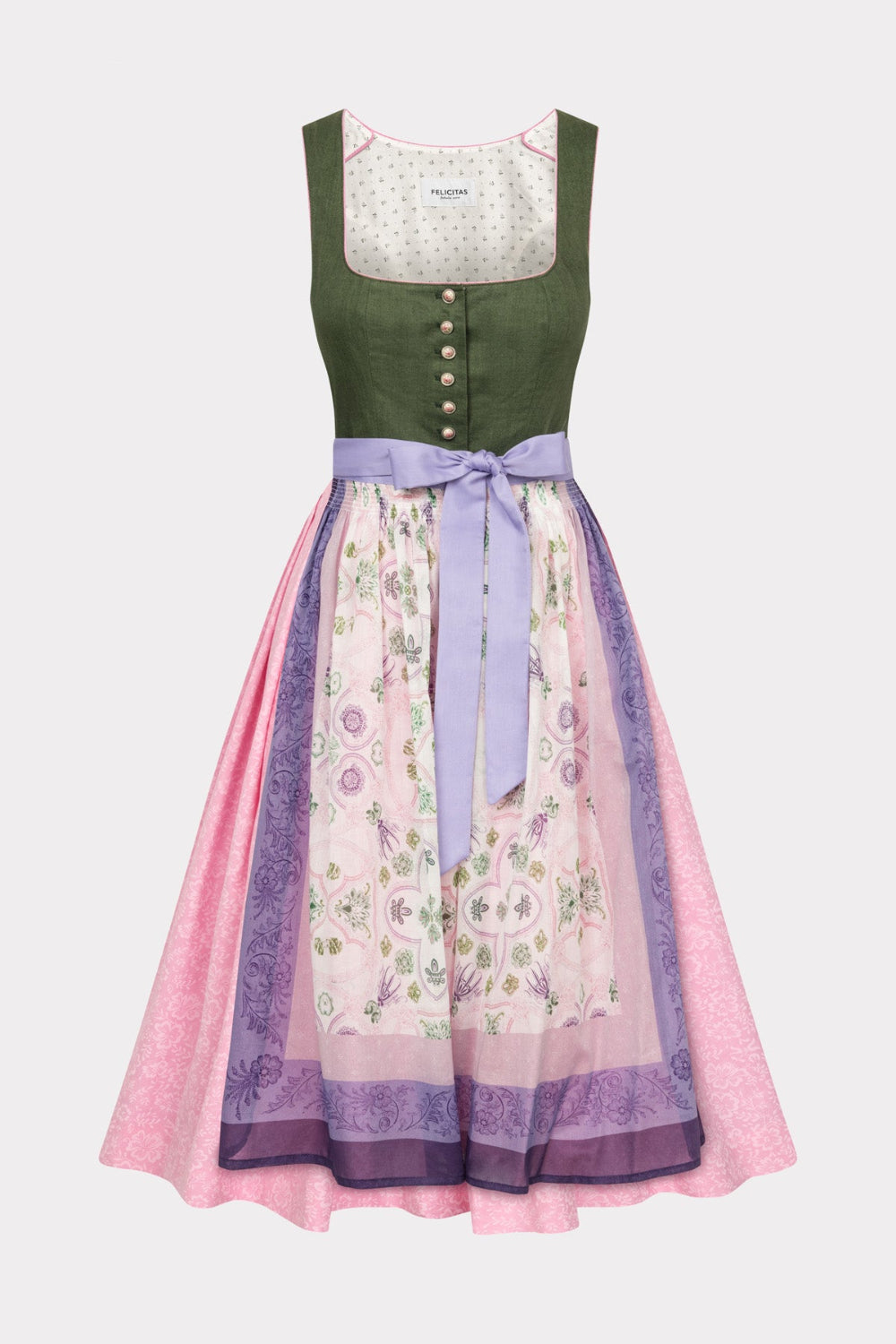
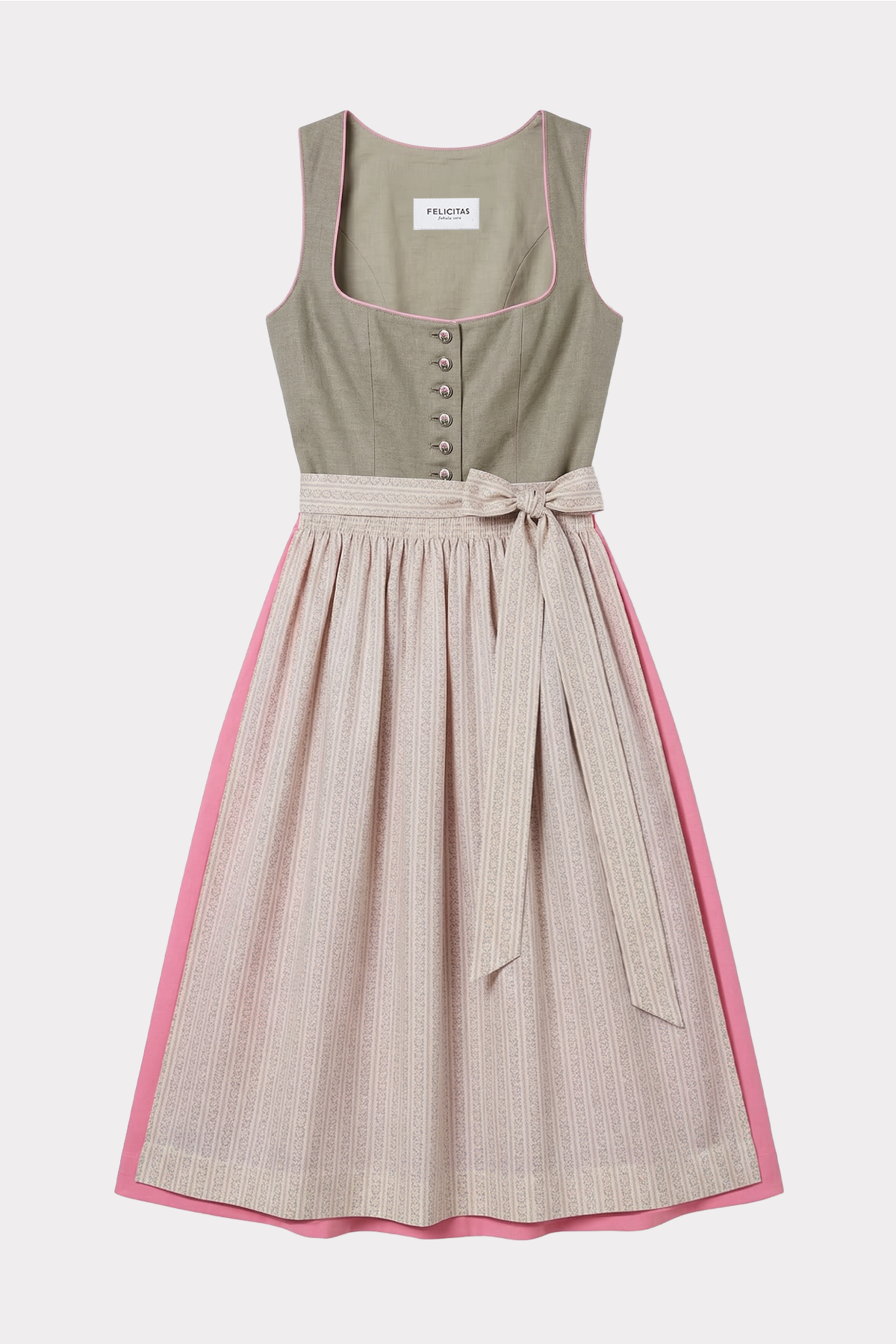
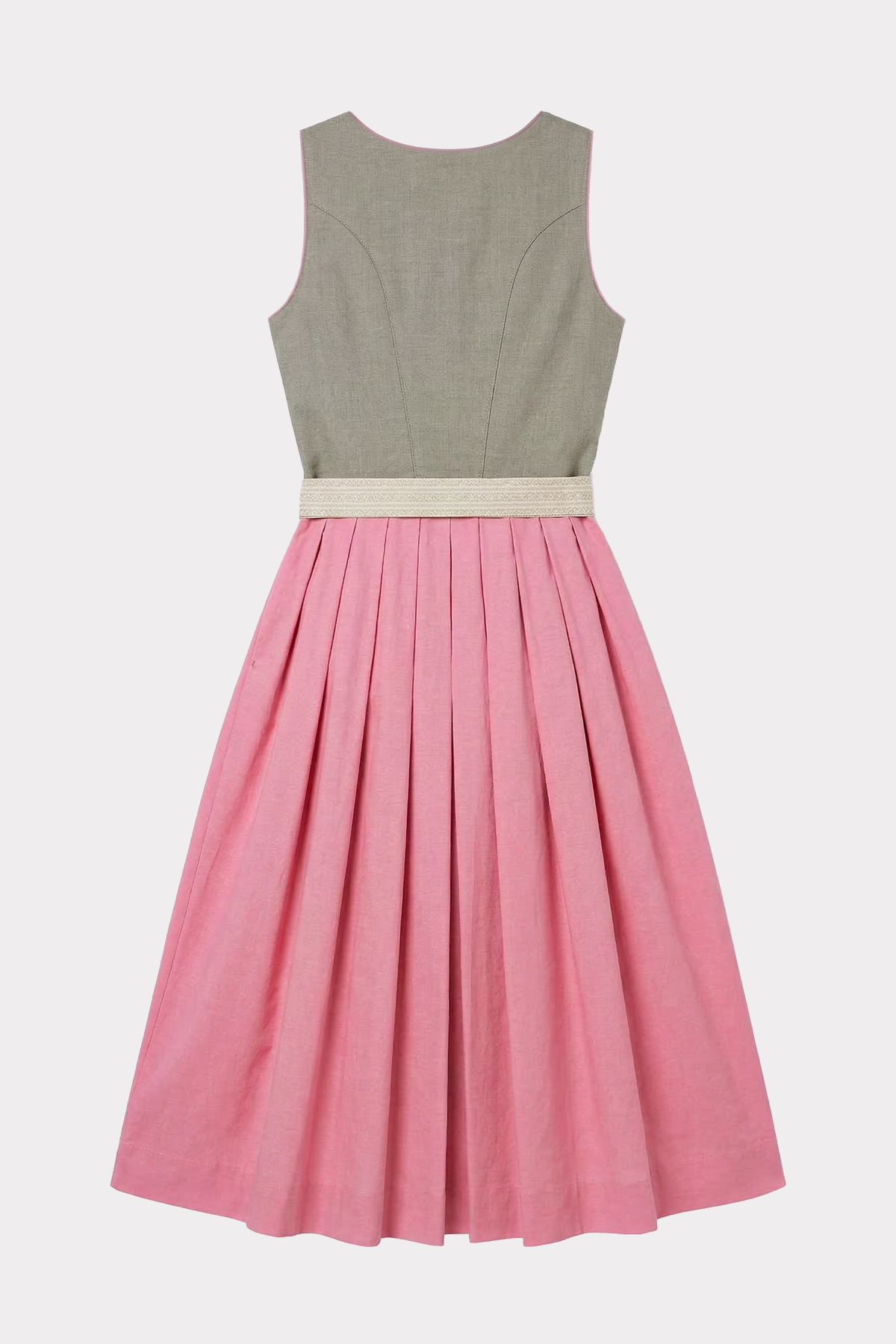
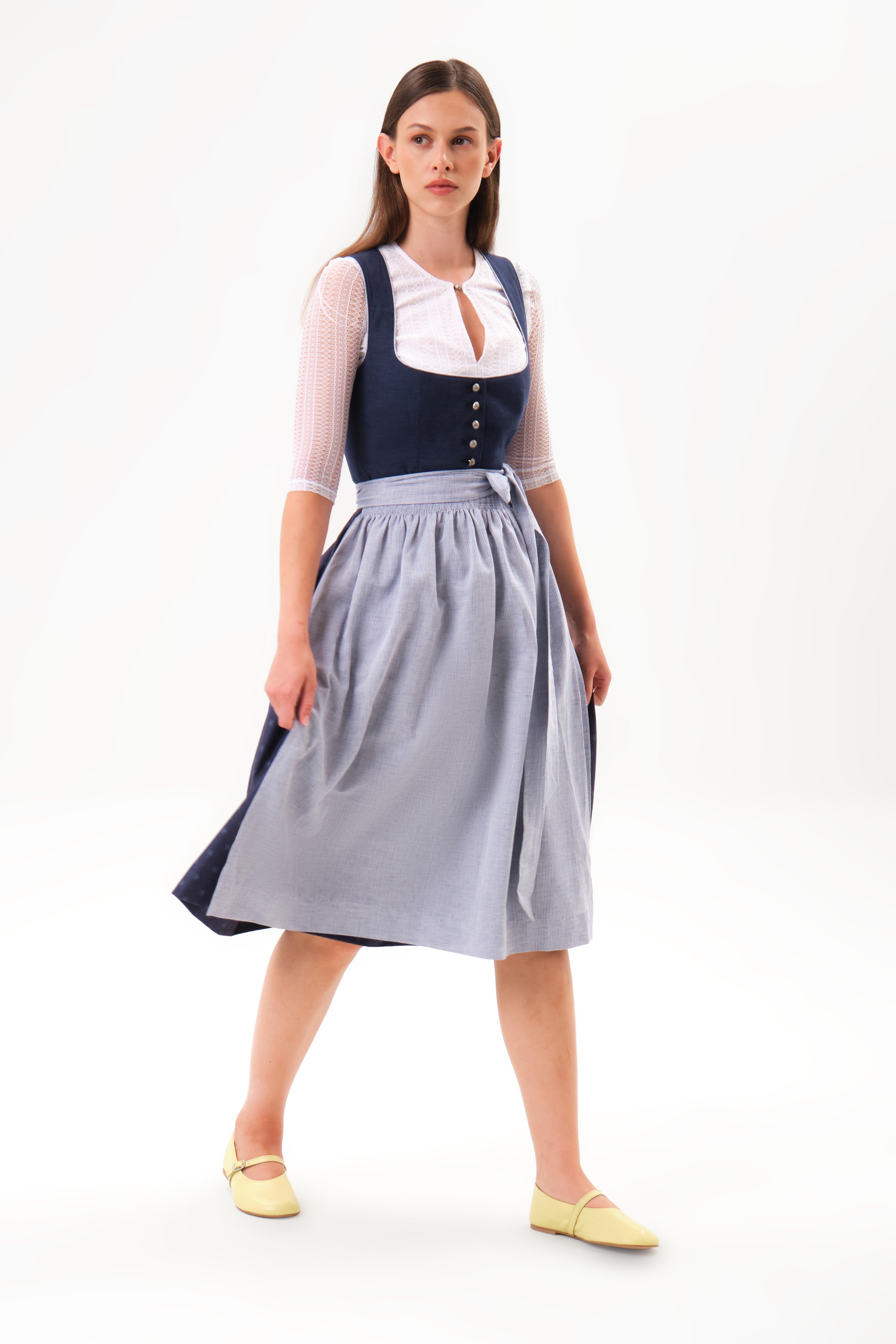
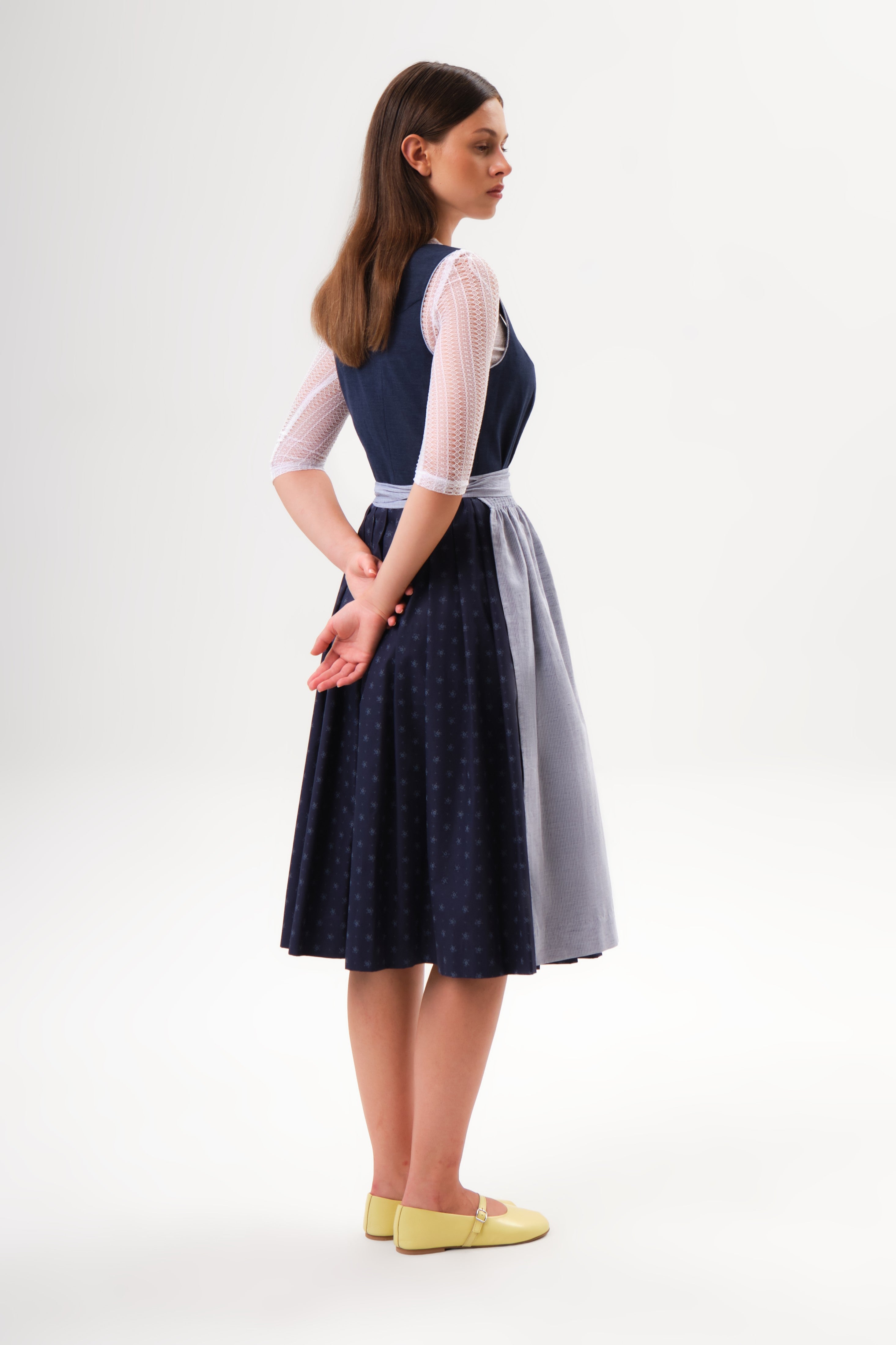
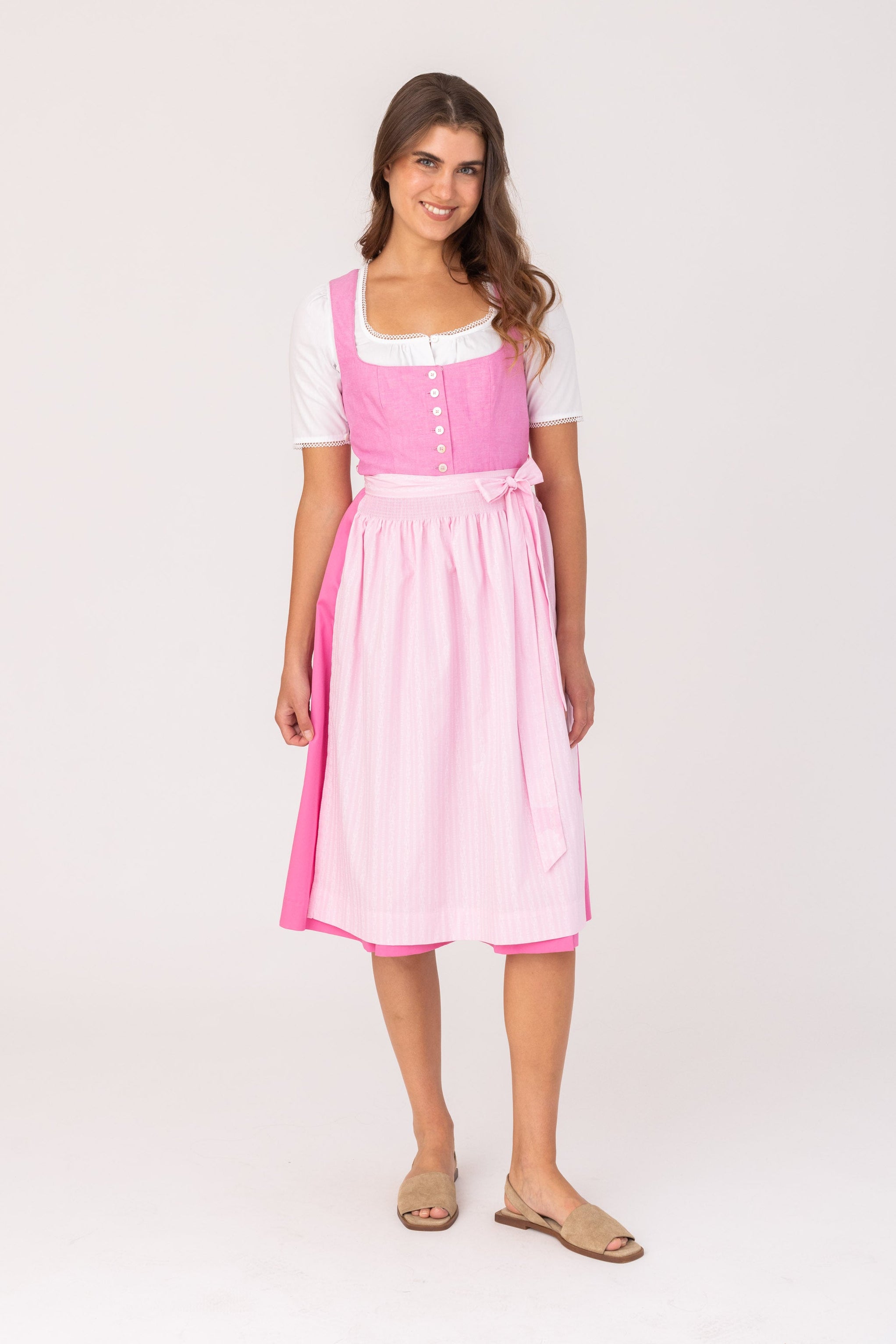
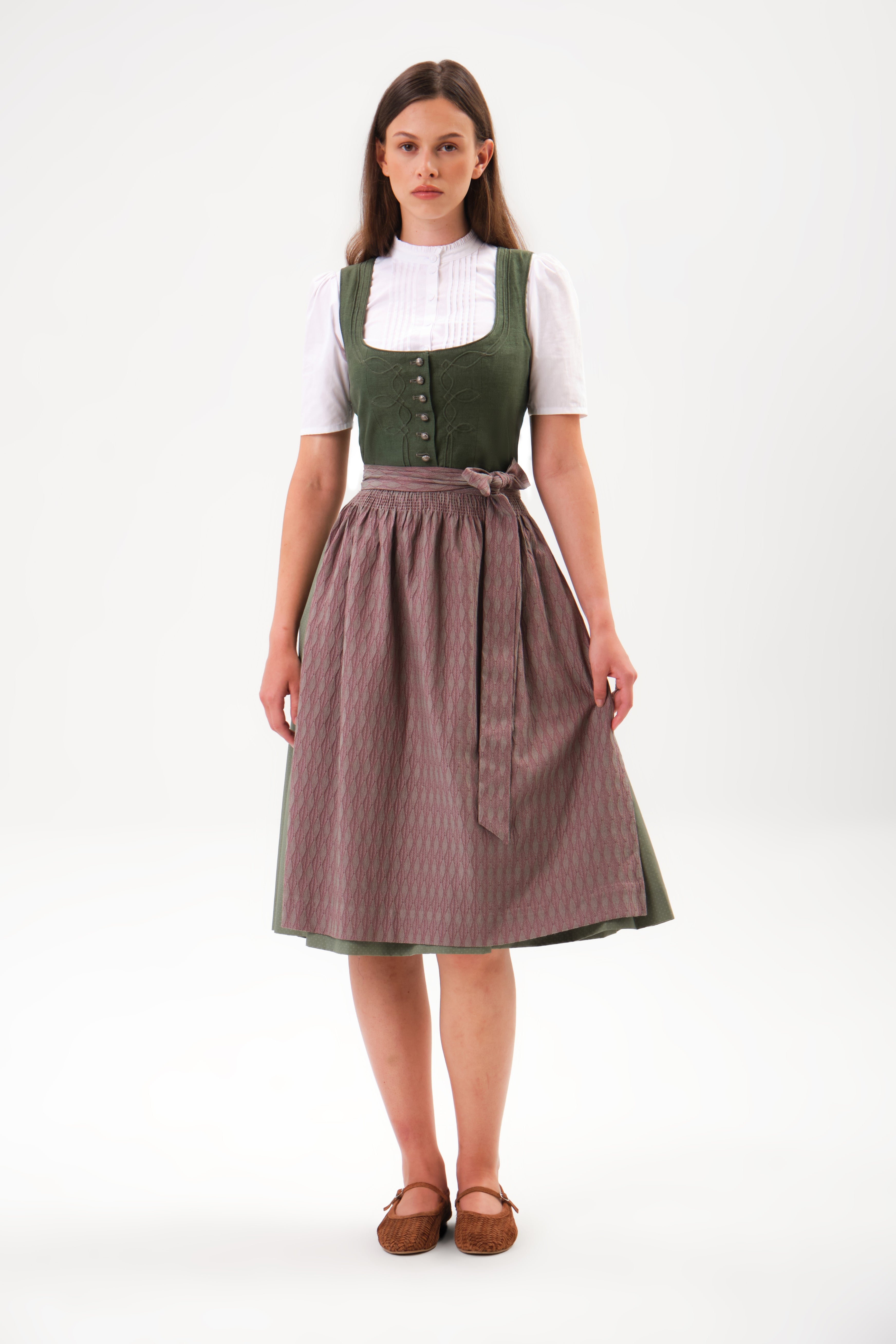
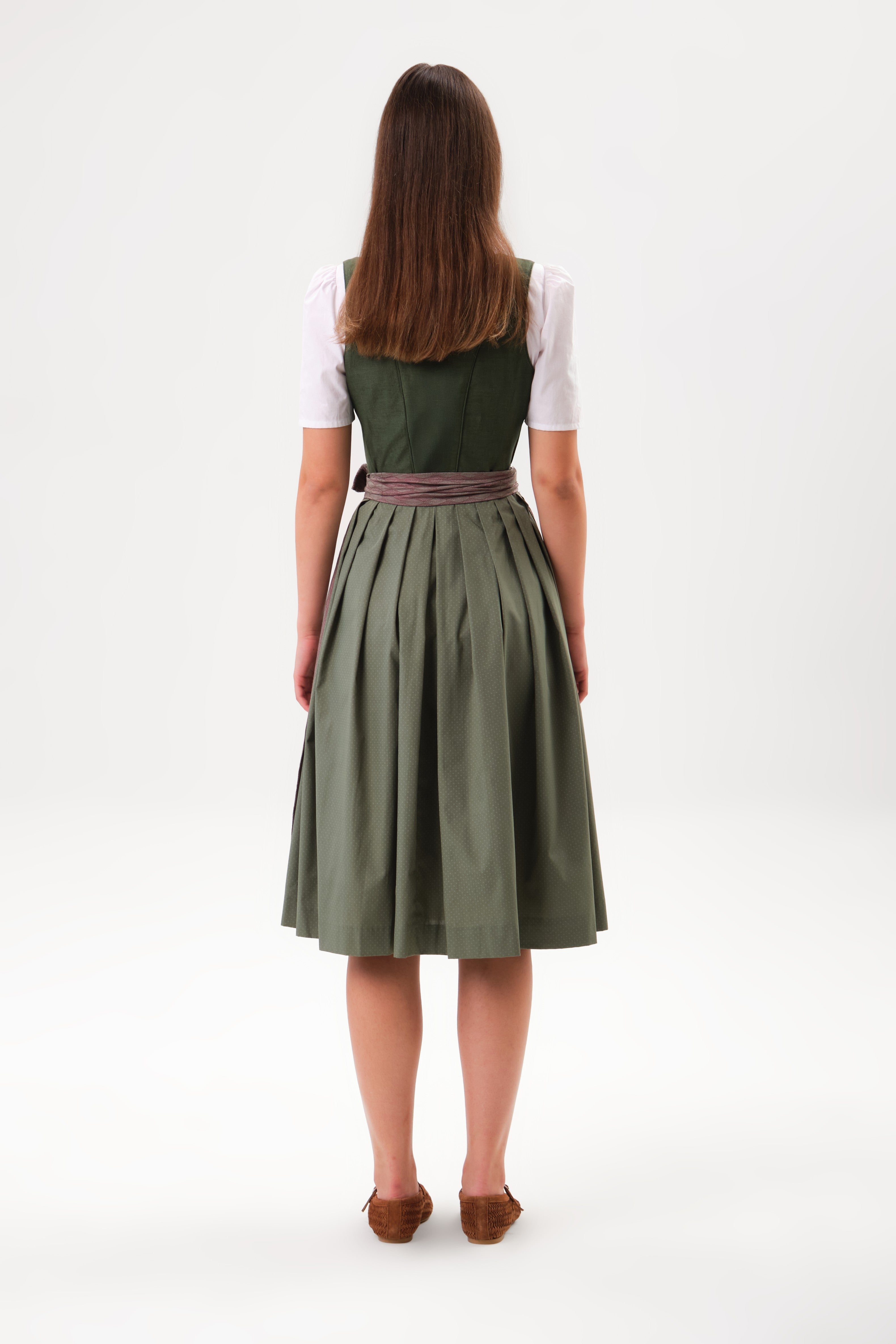
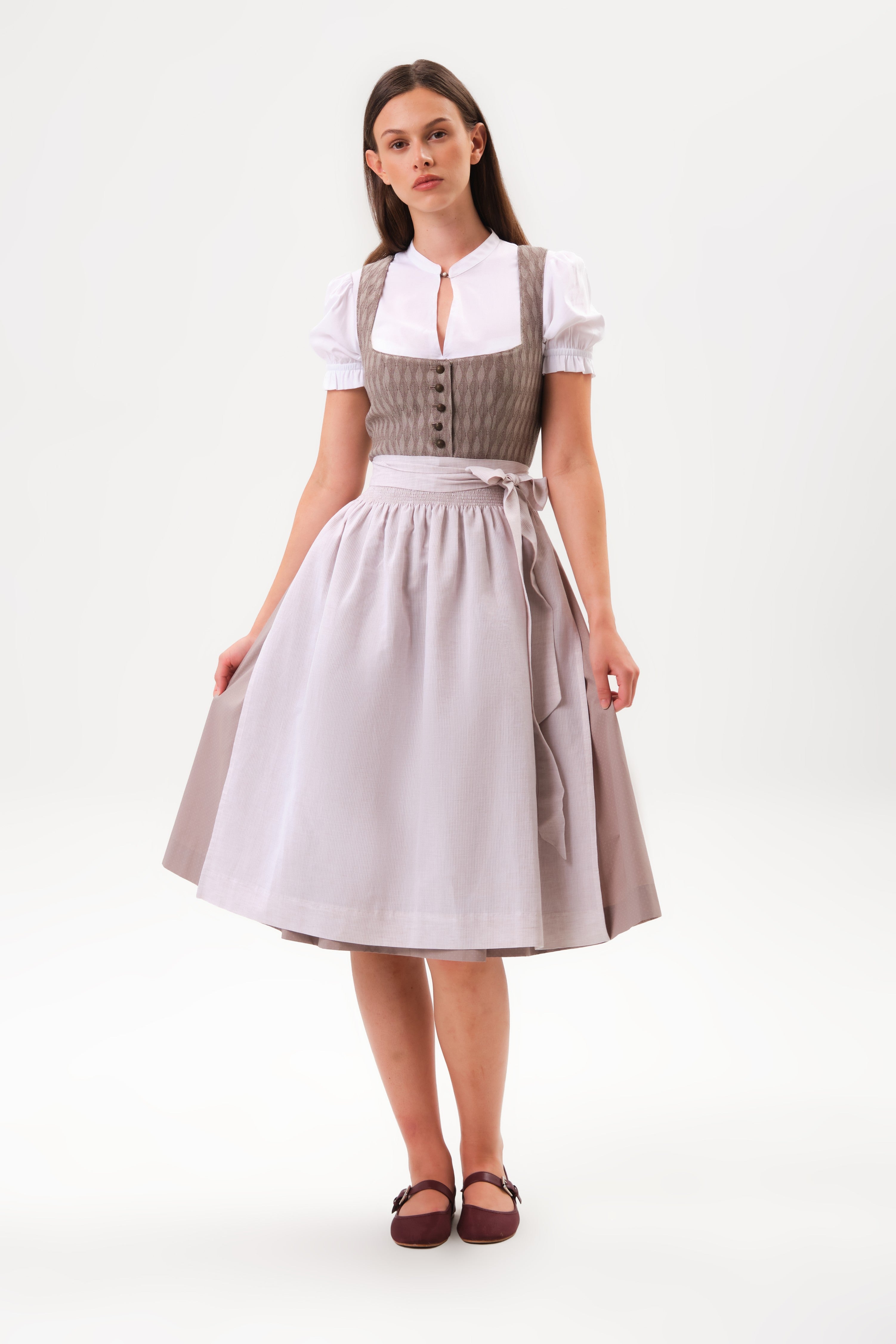
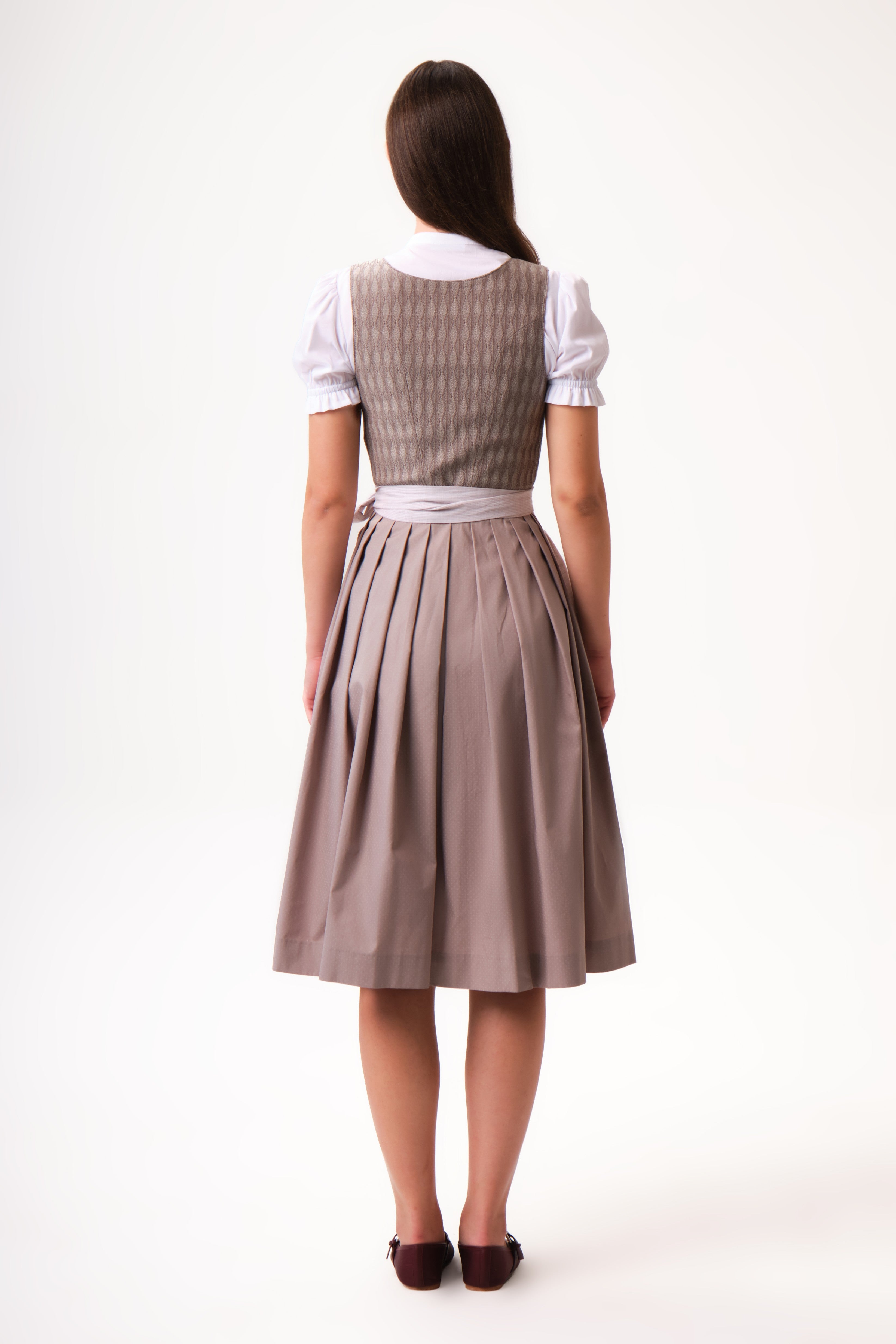
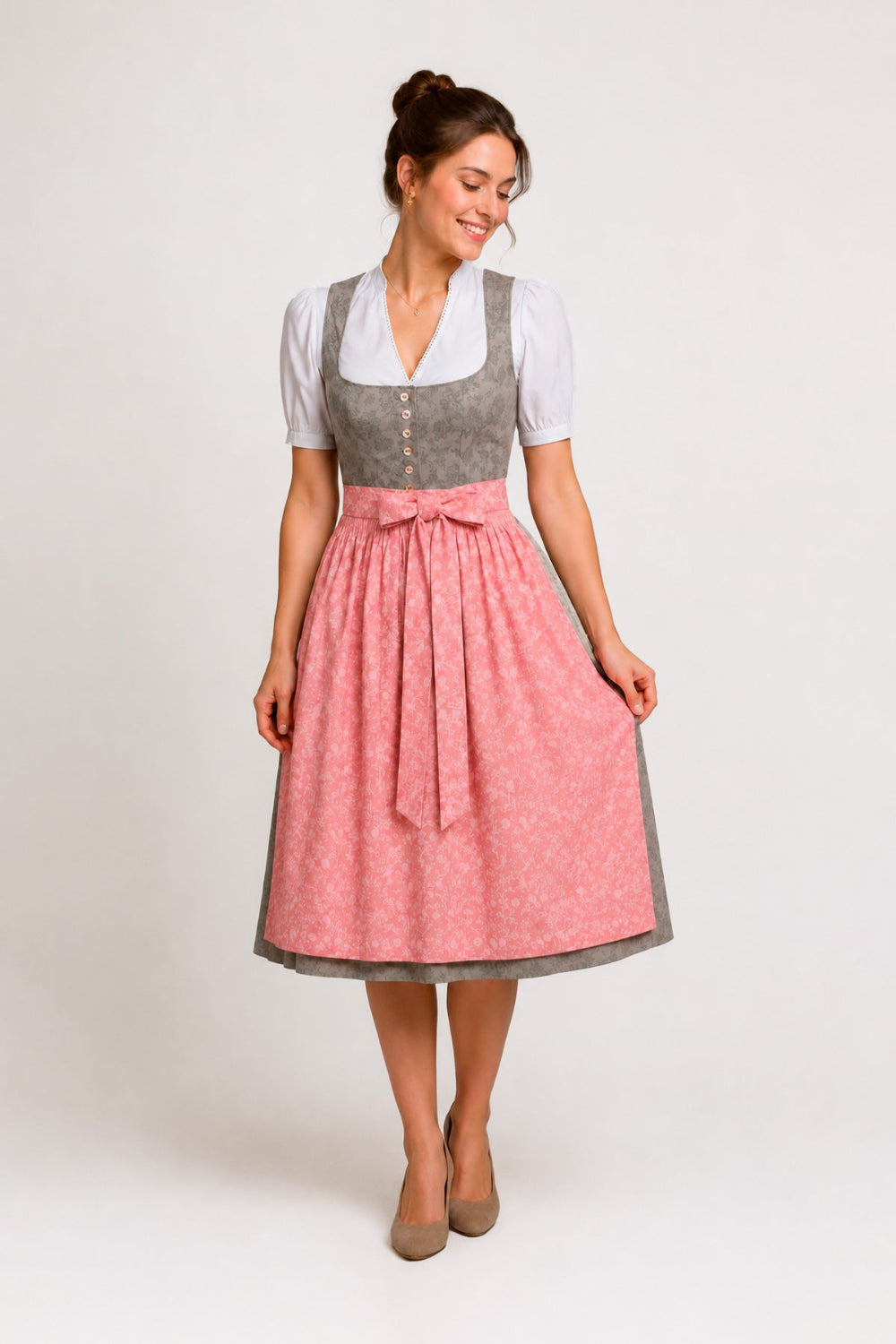
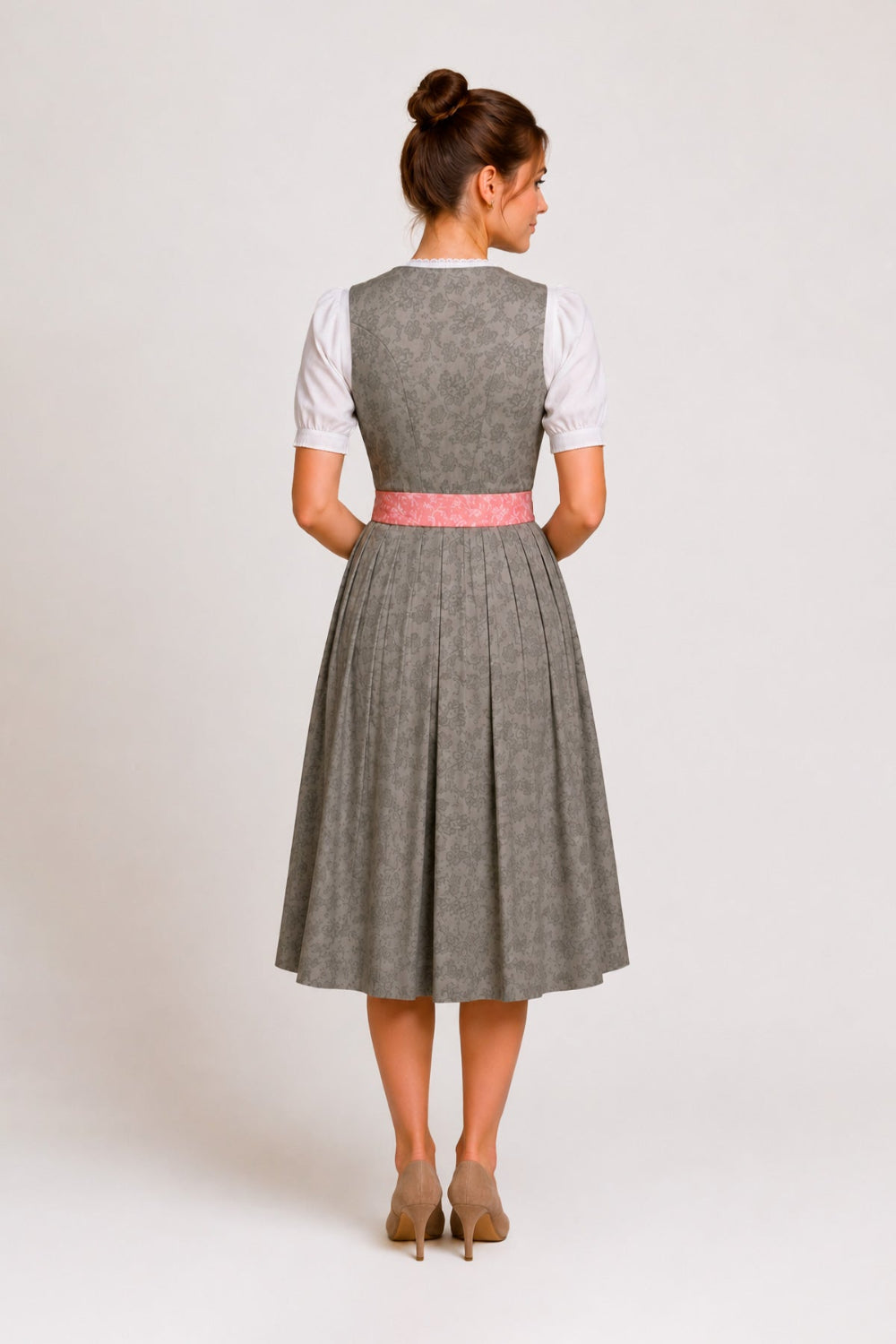
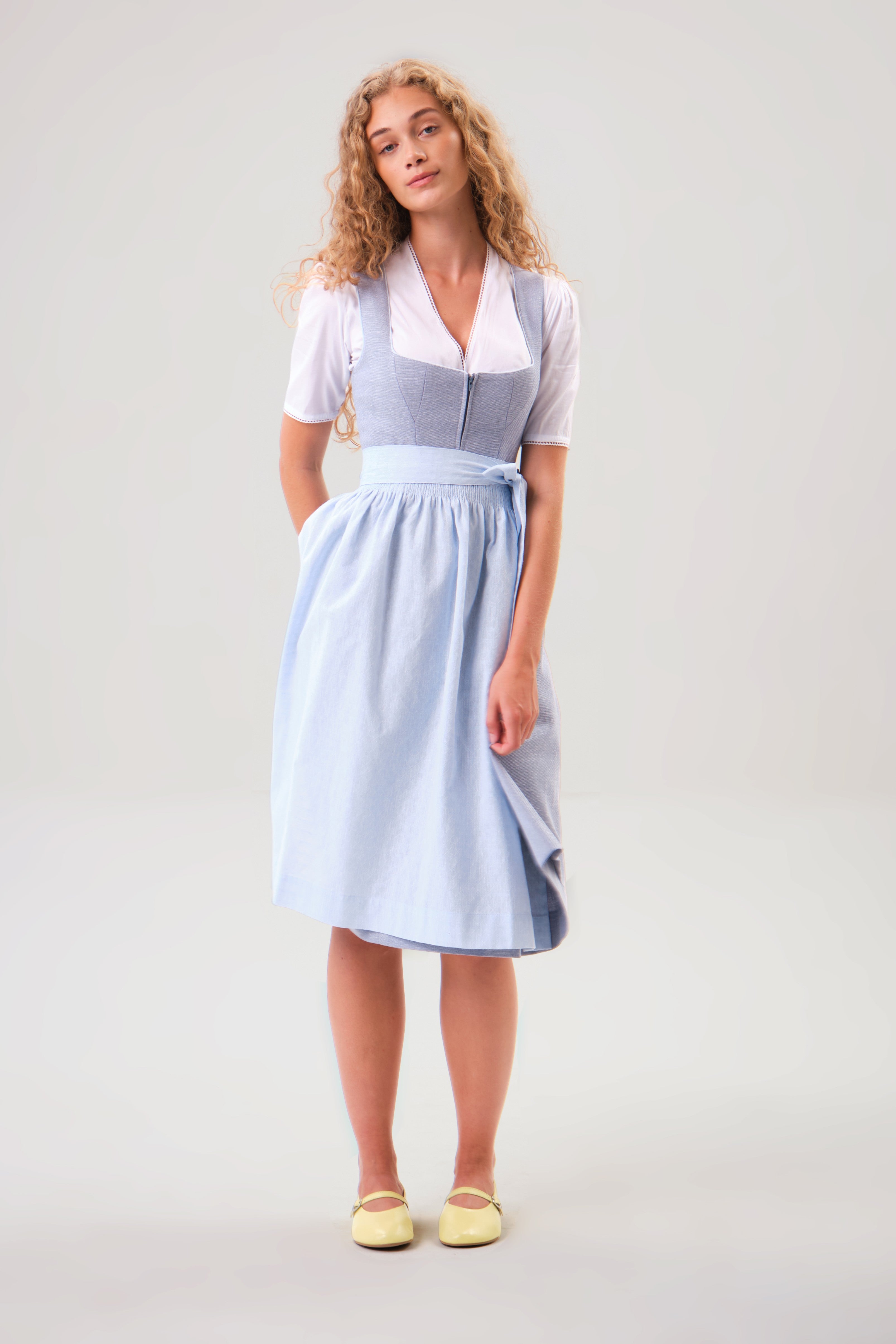
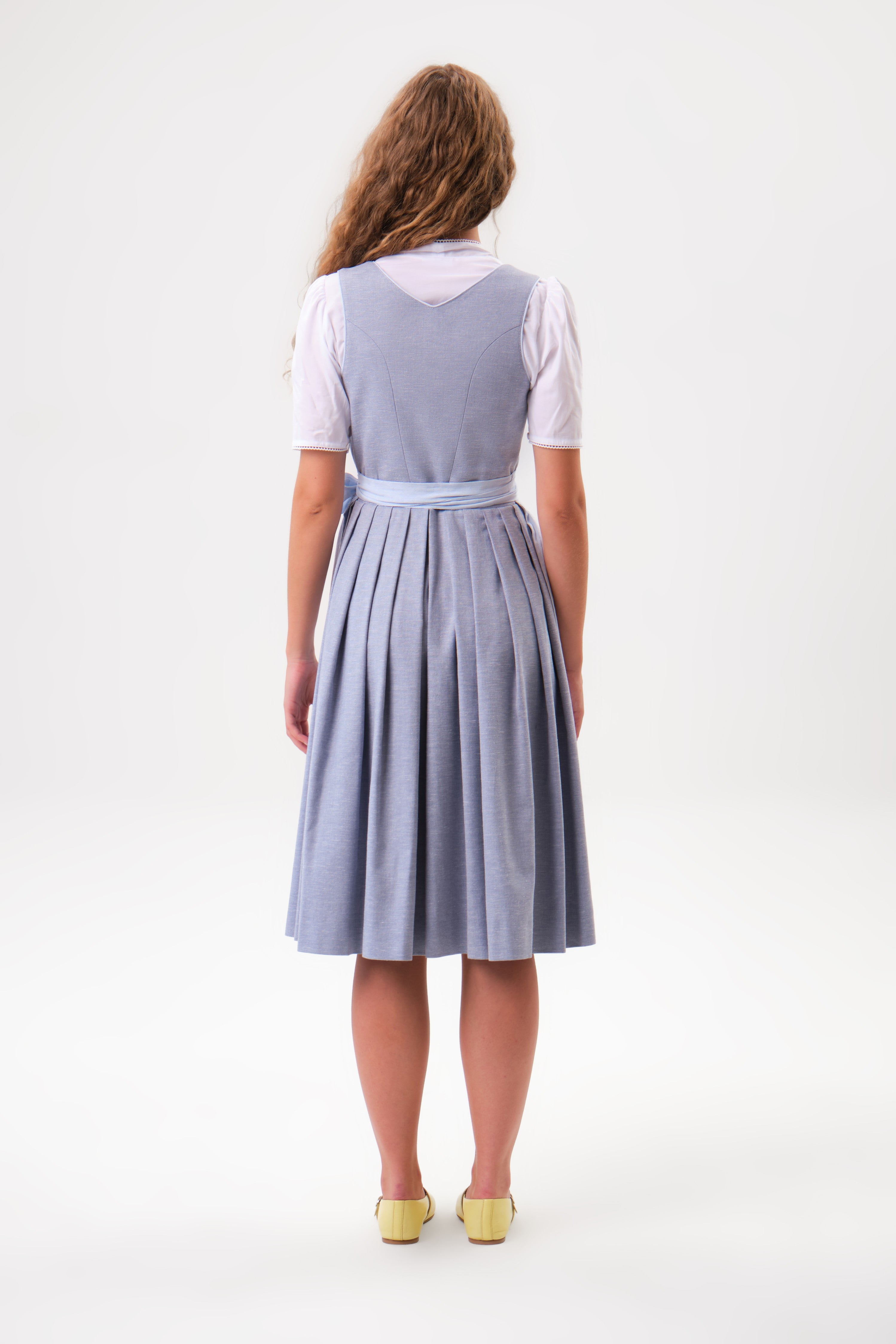
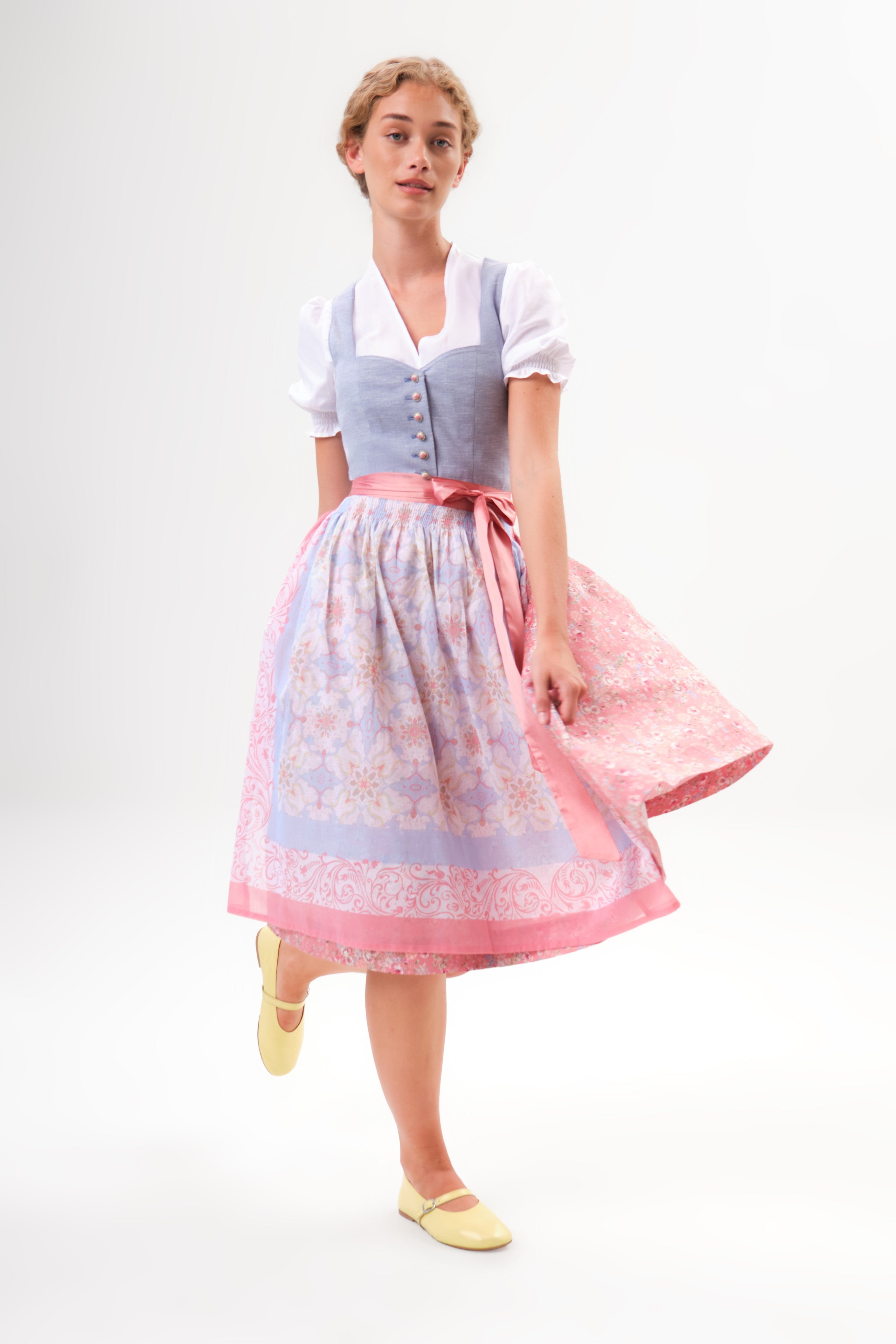
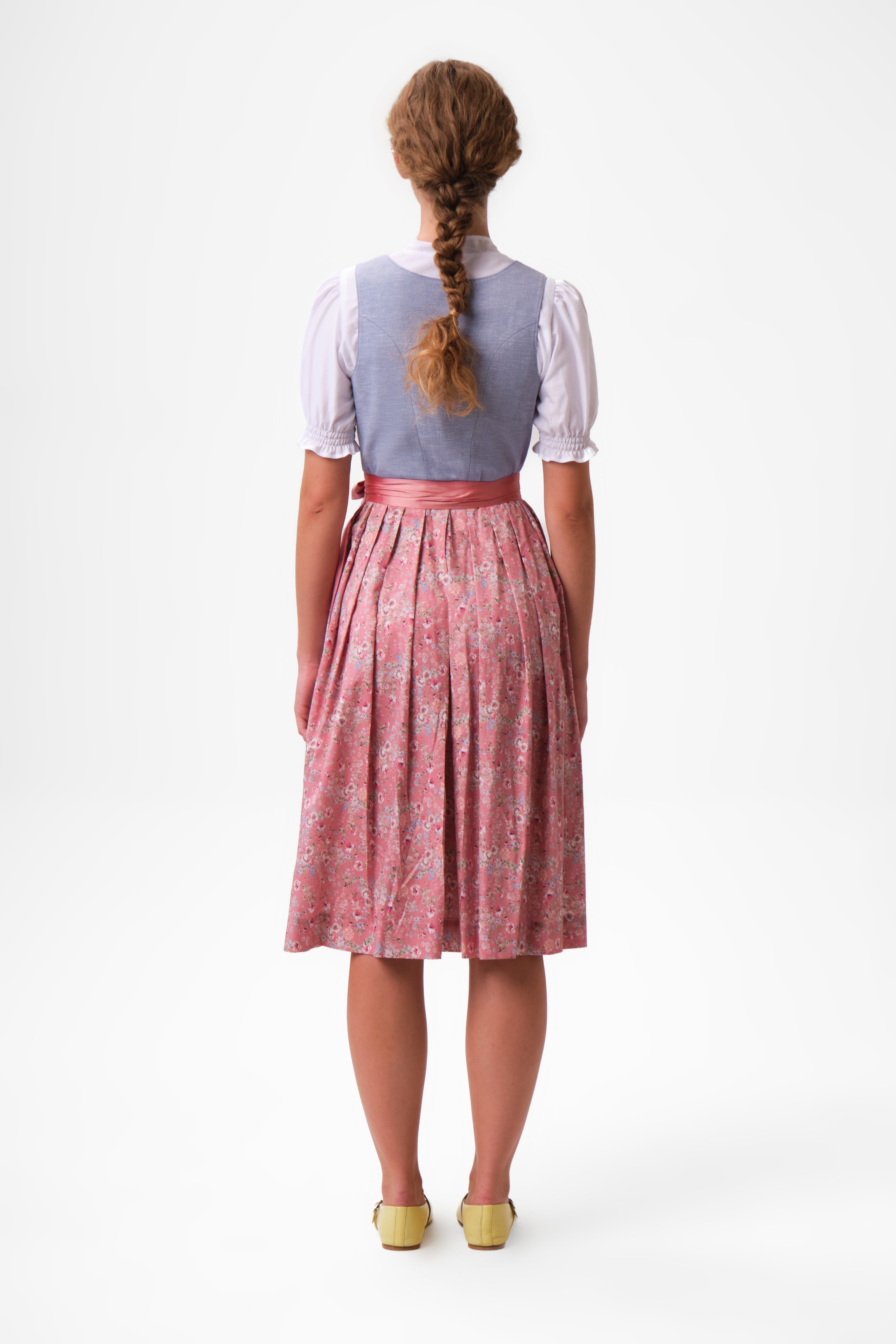
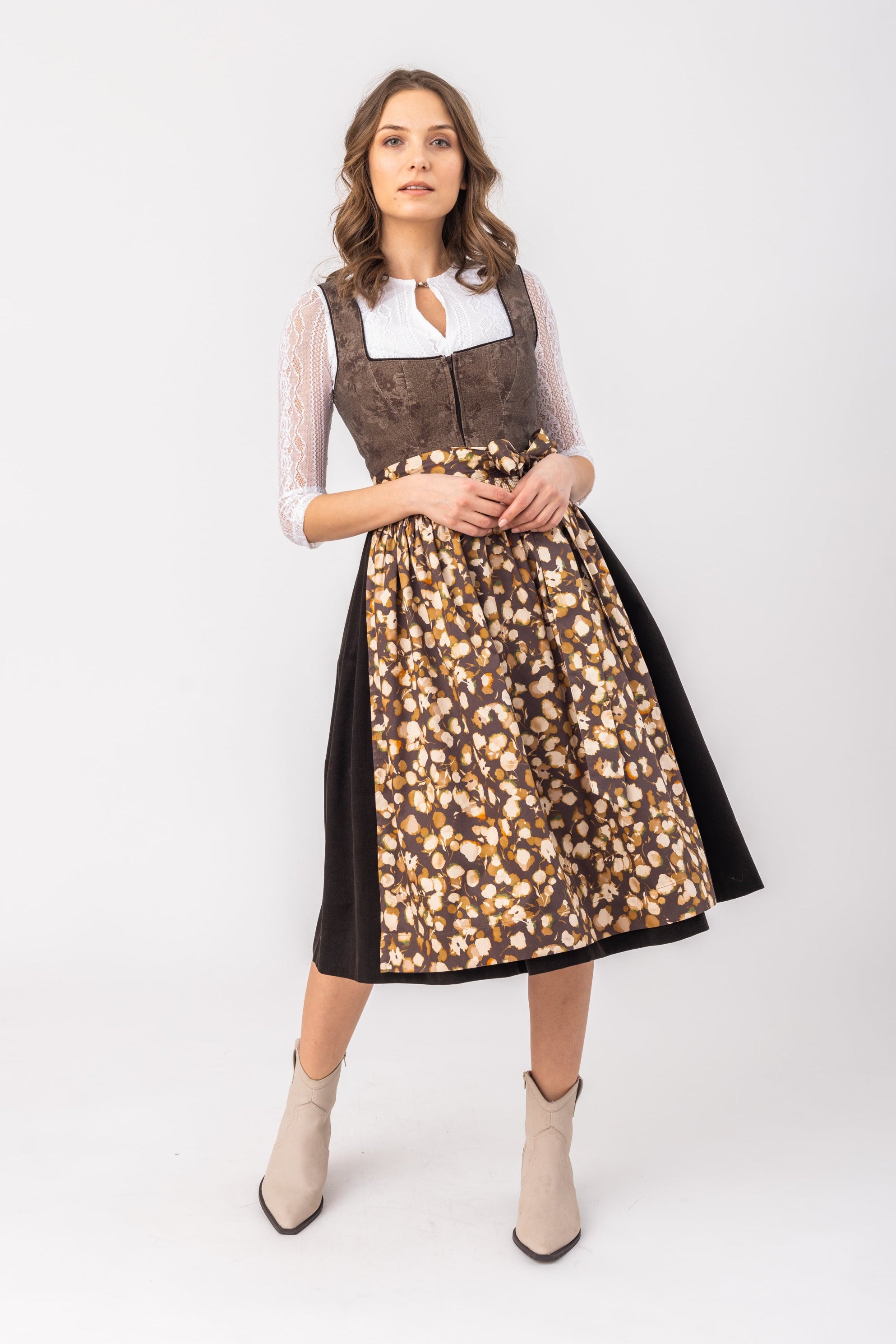
Celebrate, dance, raise a glass – in a dirndl, every special occasion becomes an experience. Our dirndls are made for unforgettable moments, festive days, and long evenings. Authentic Salzburg traditional dress, designed with attention to detail and made in small batches – favorite pieces that will accompany you for many years.
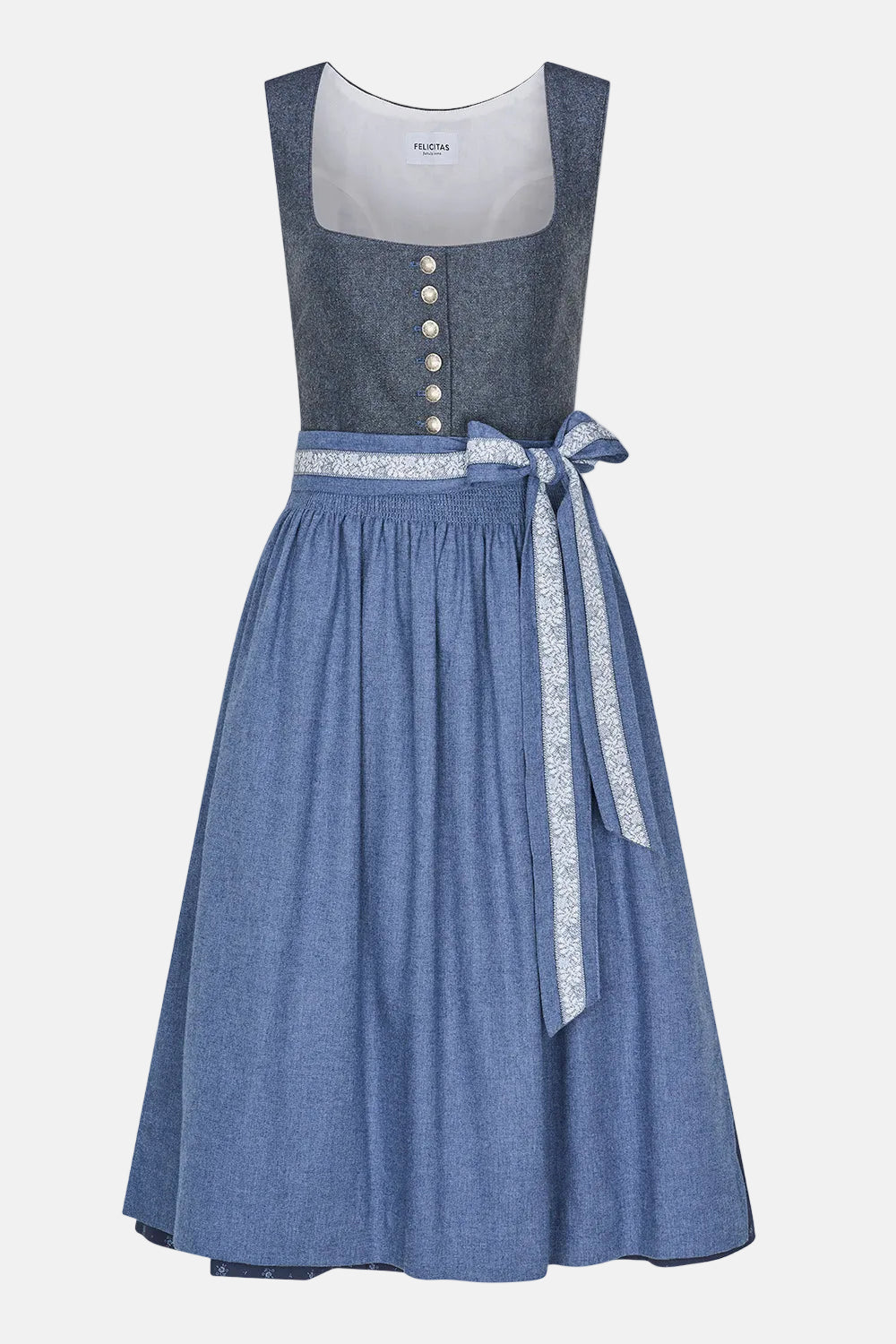
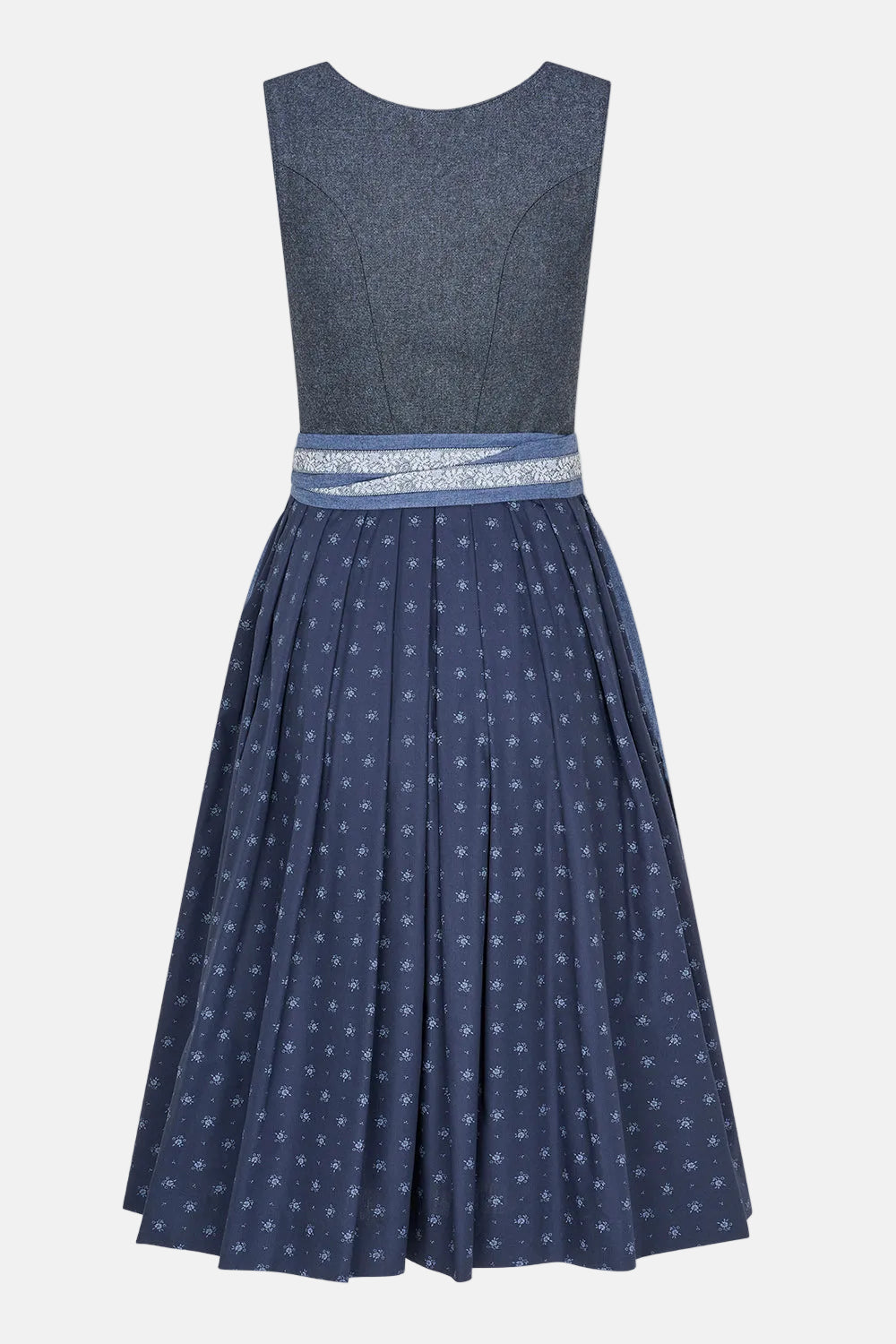
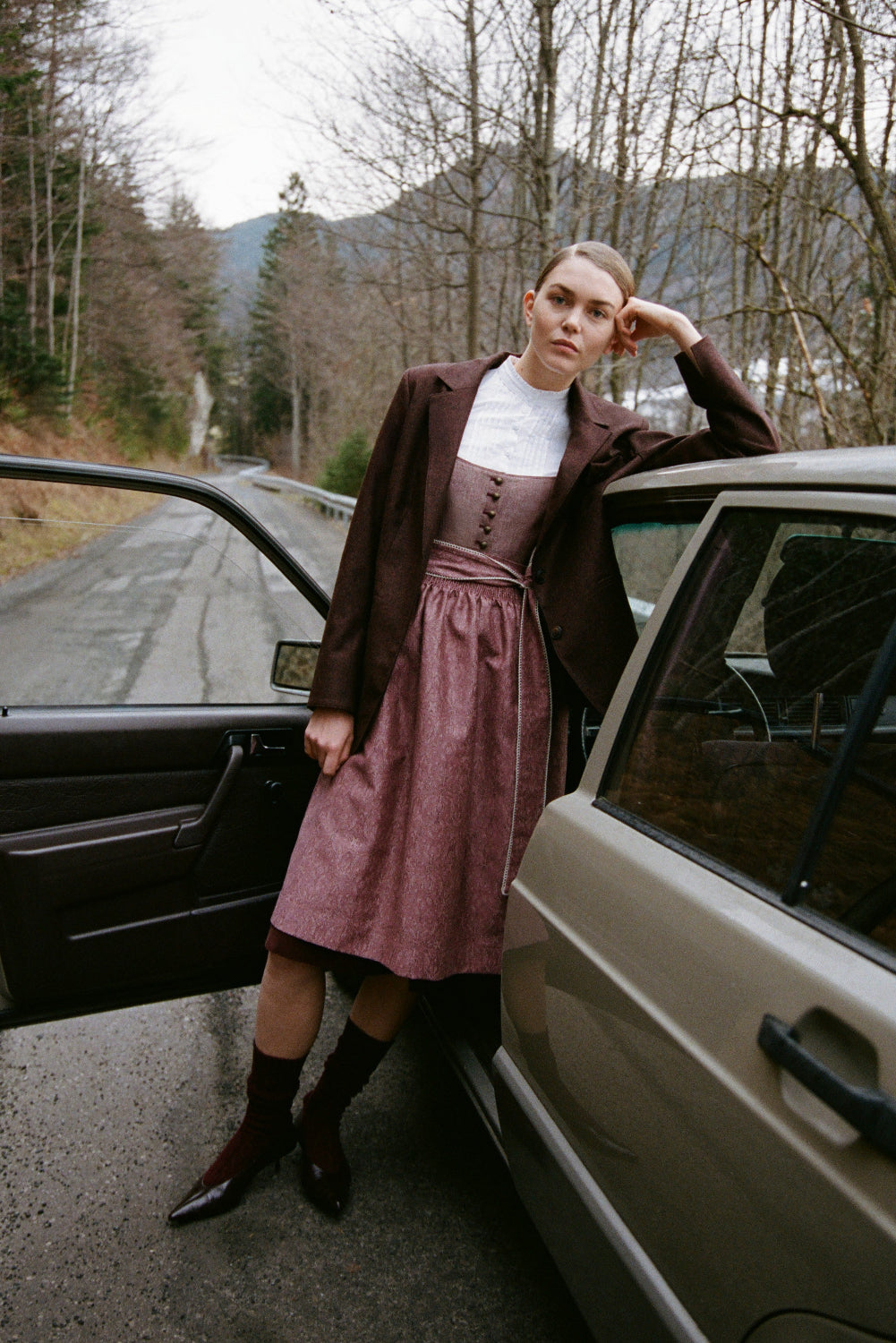
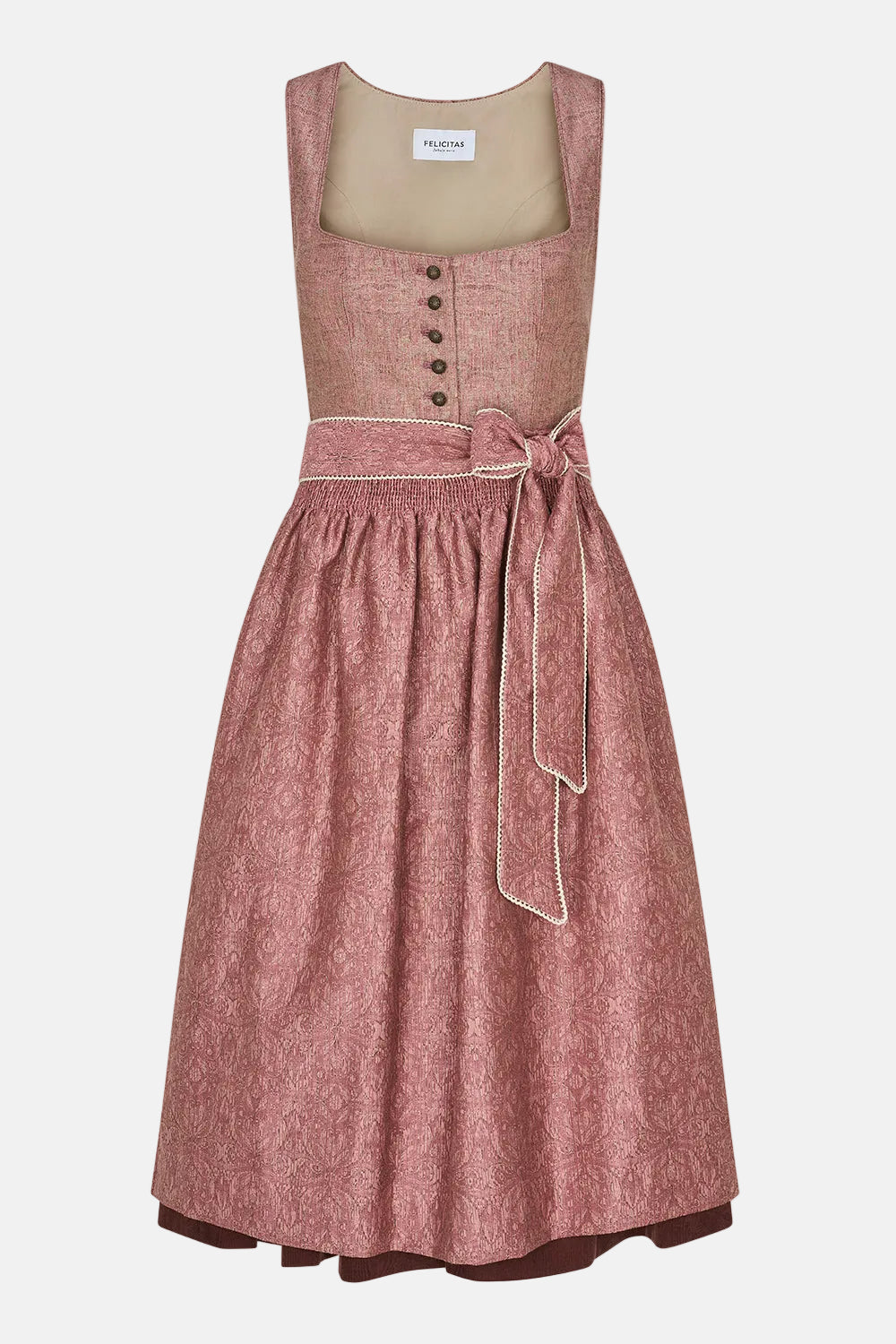
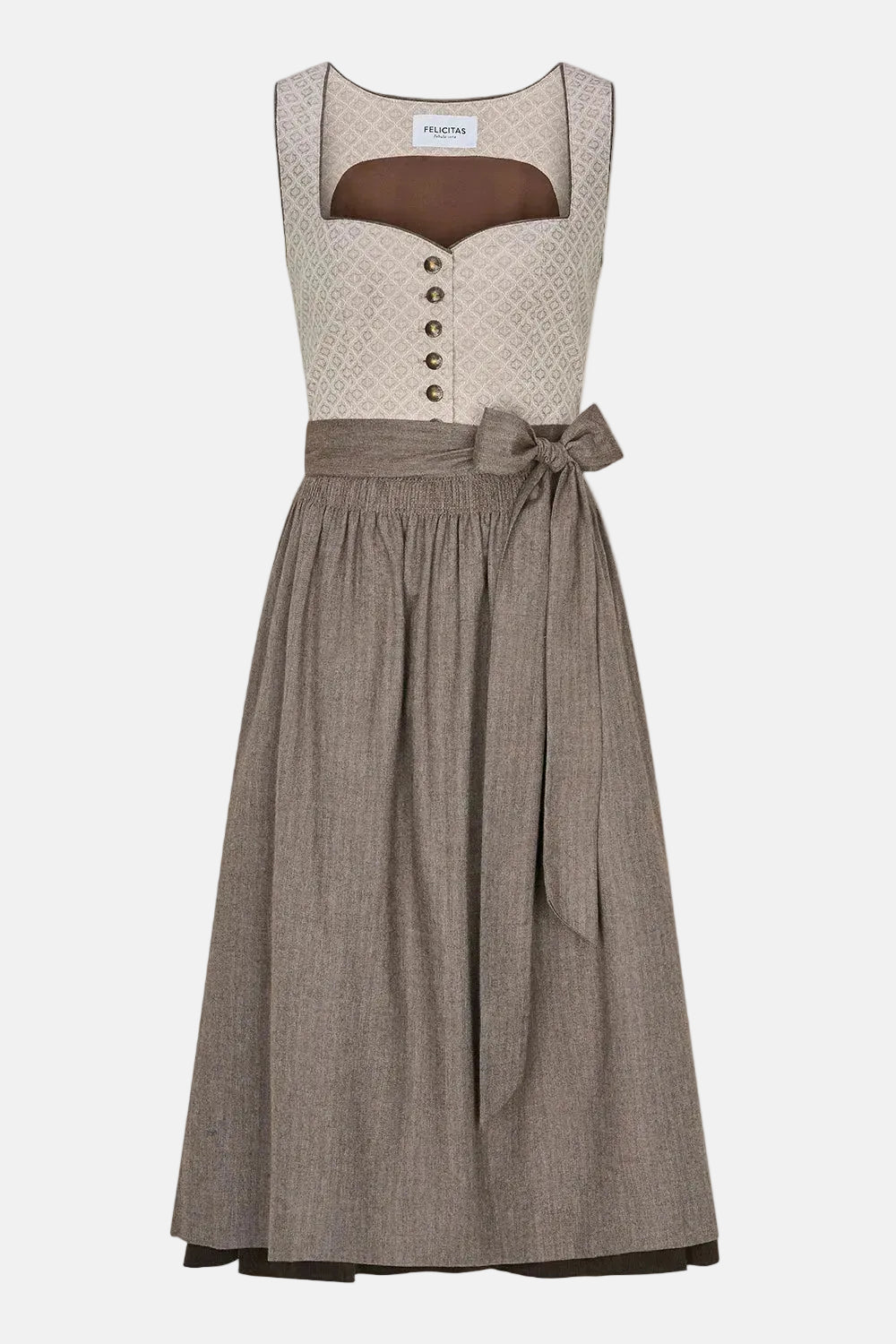
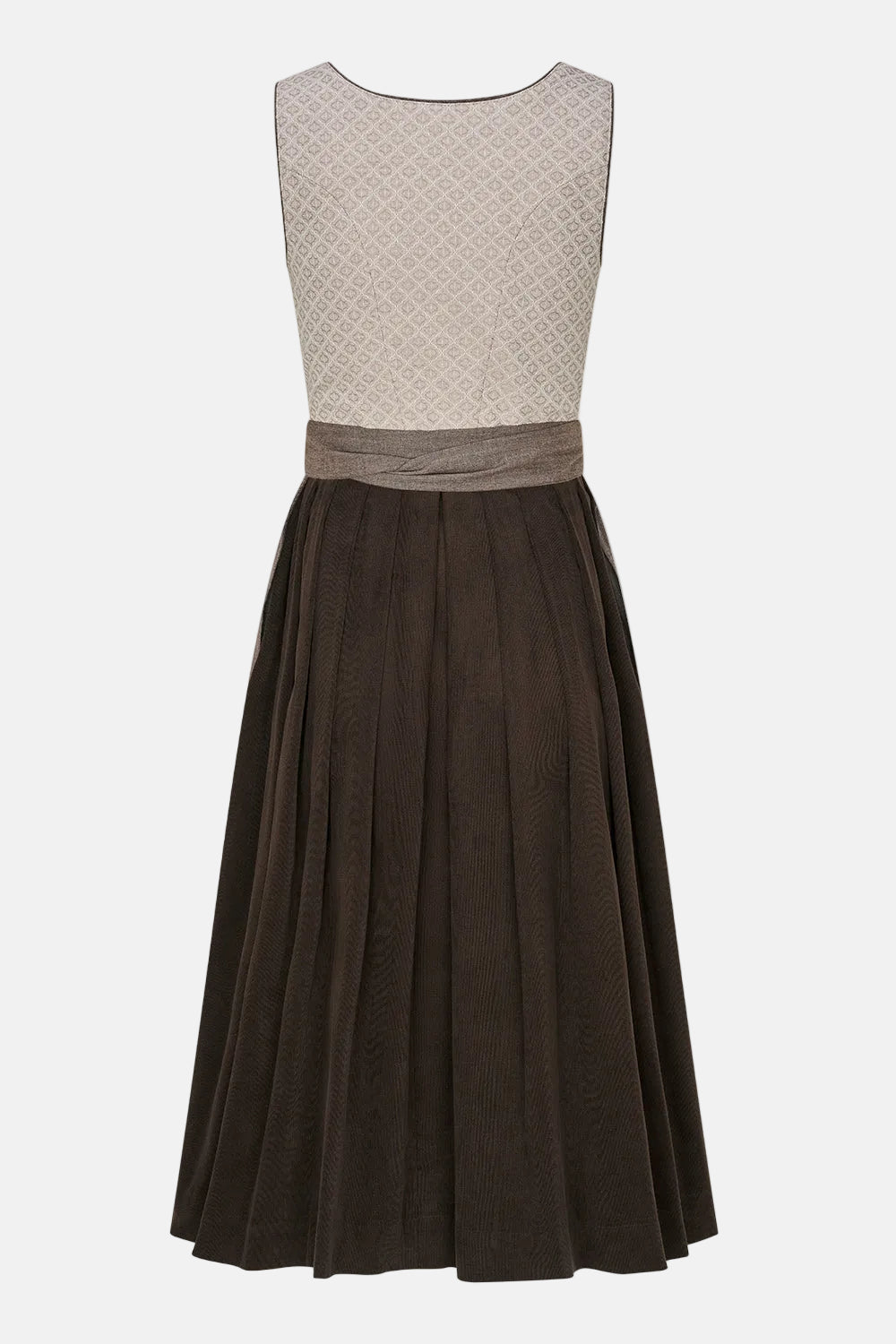
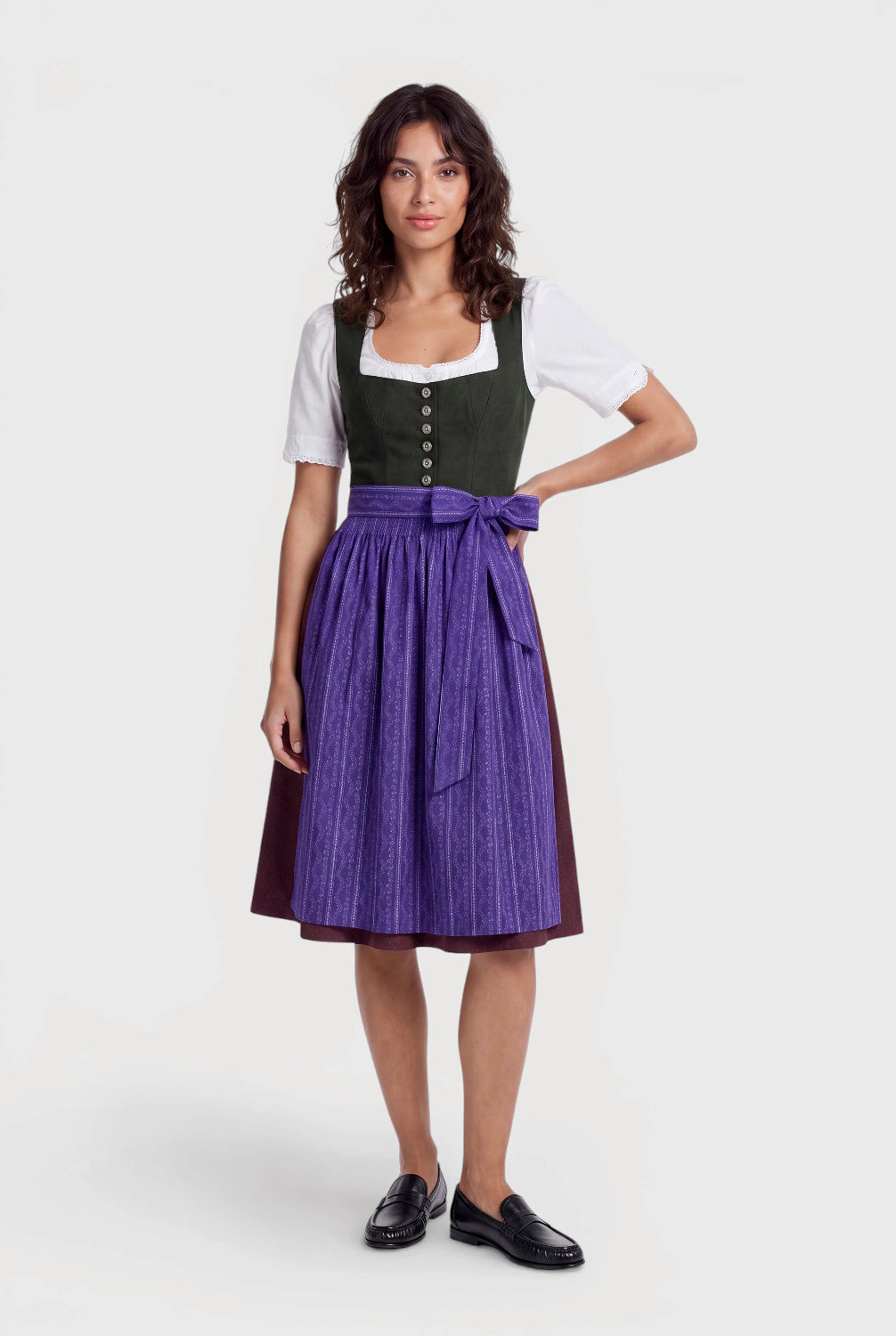
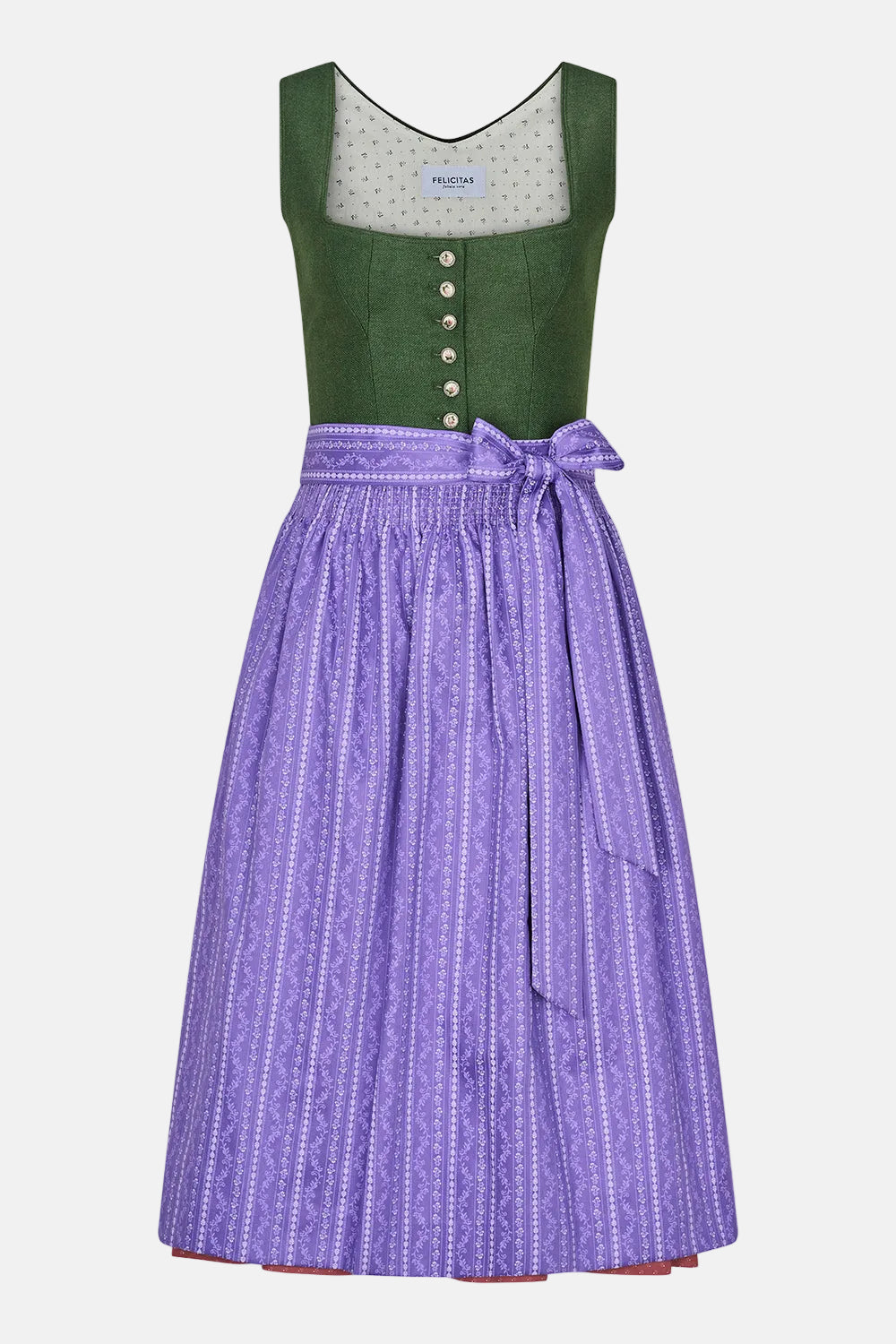
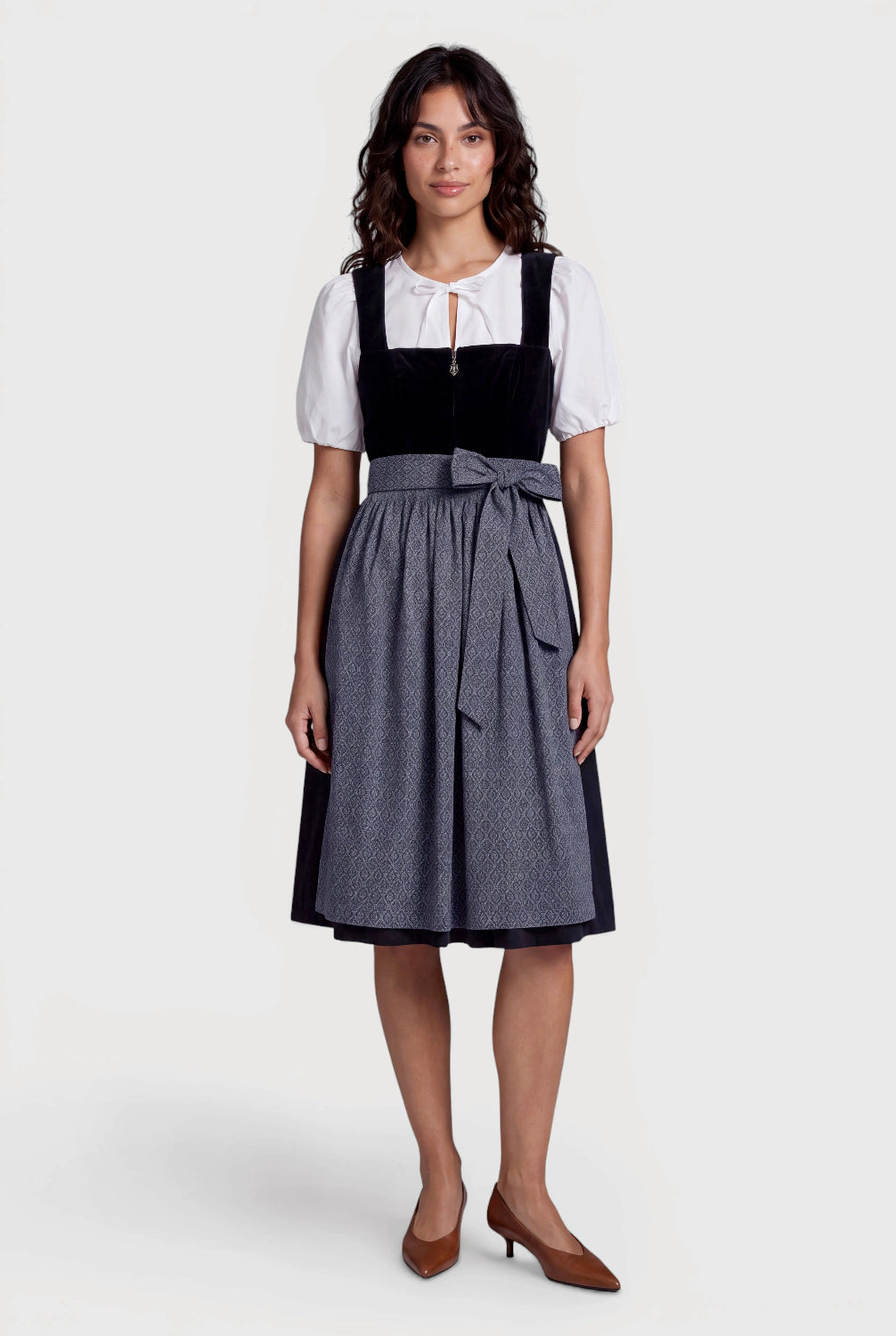
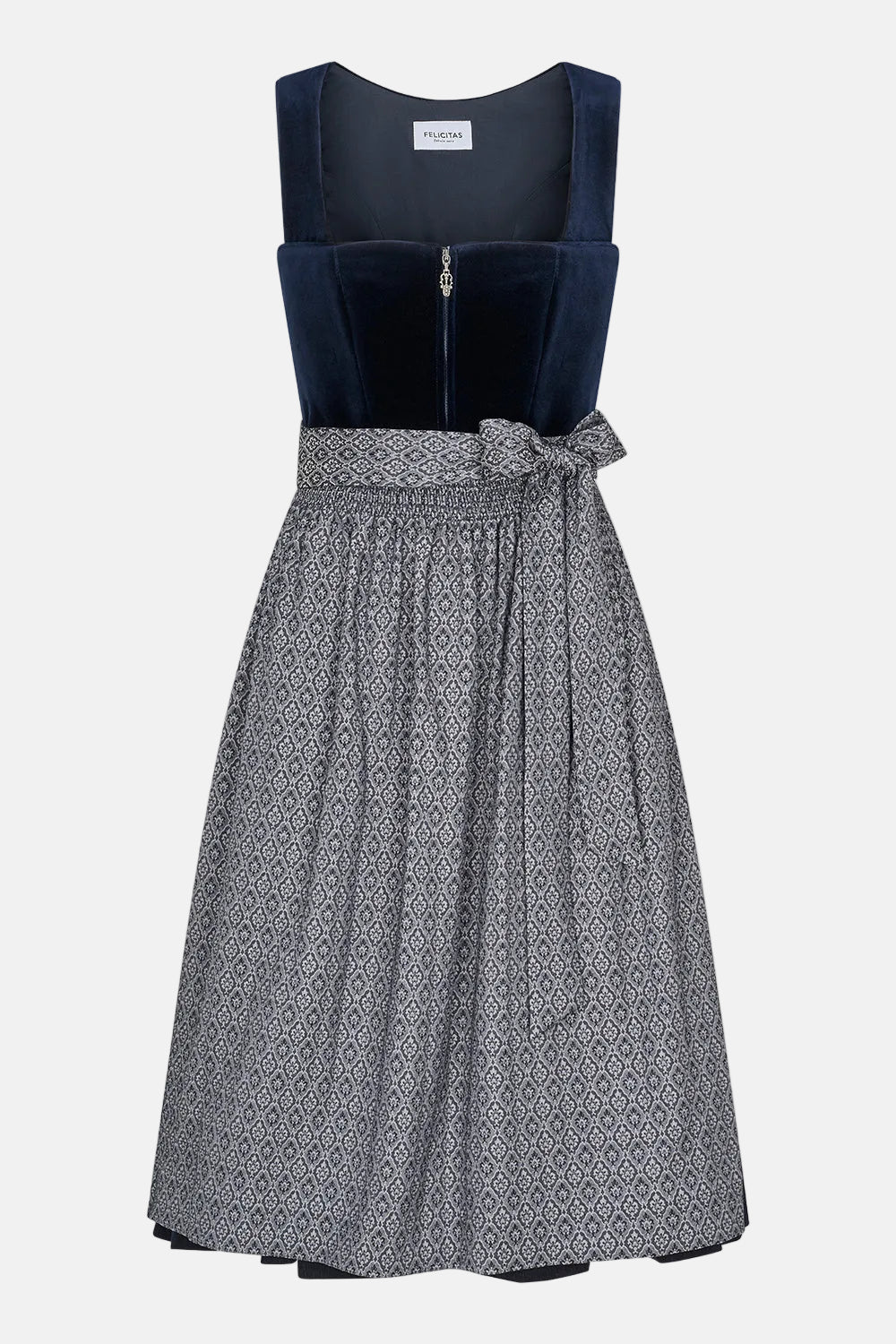
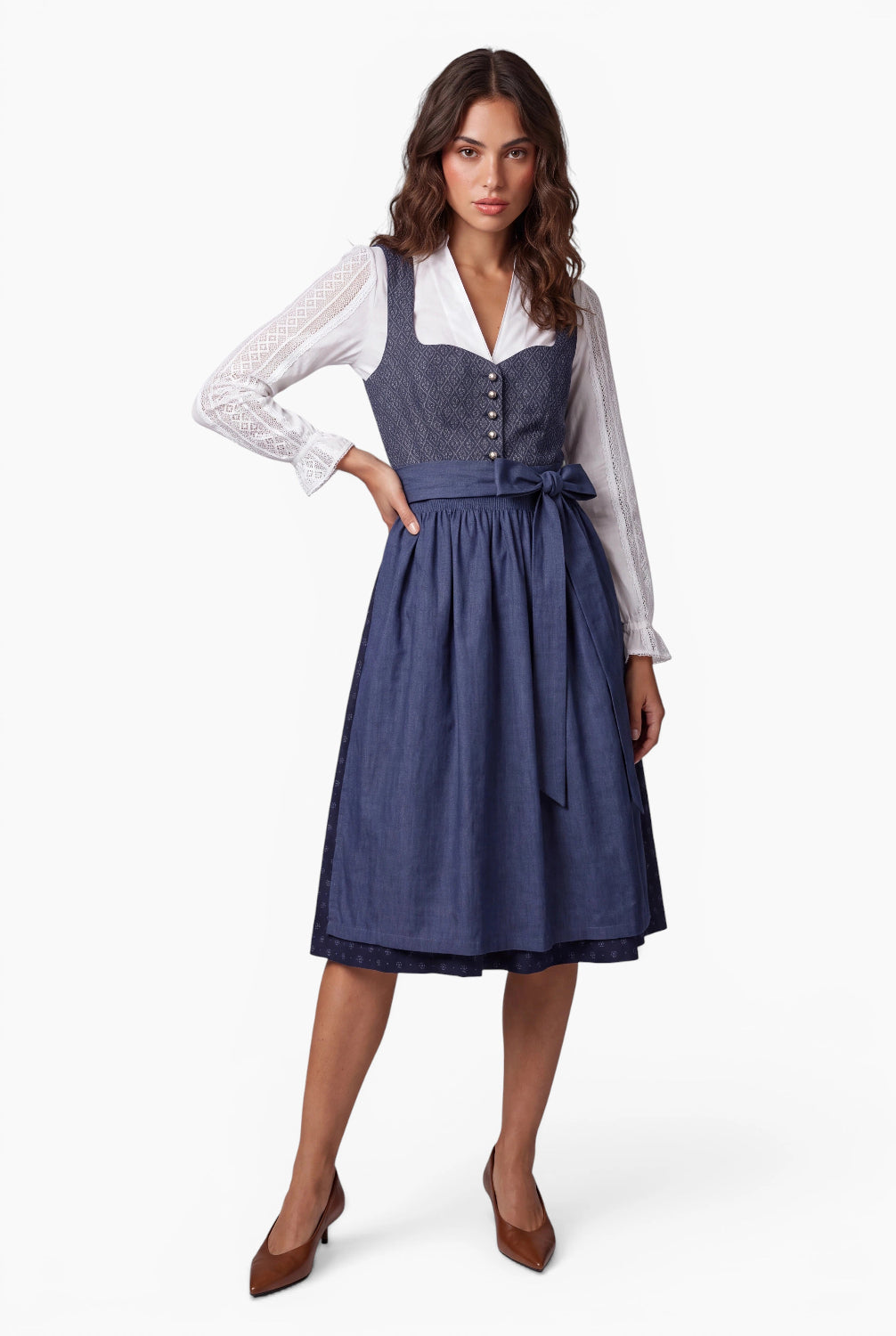
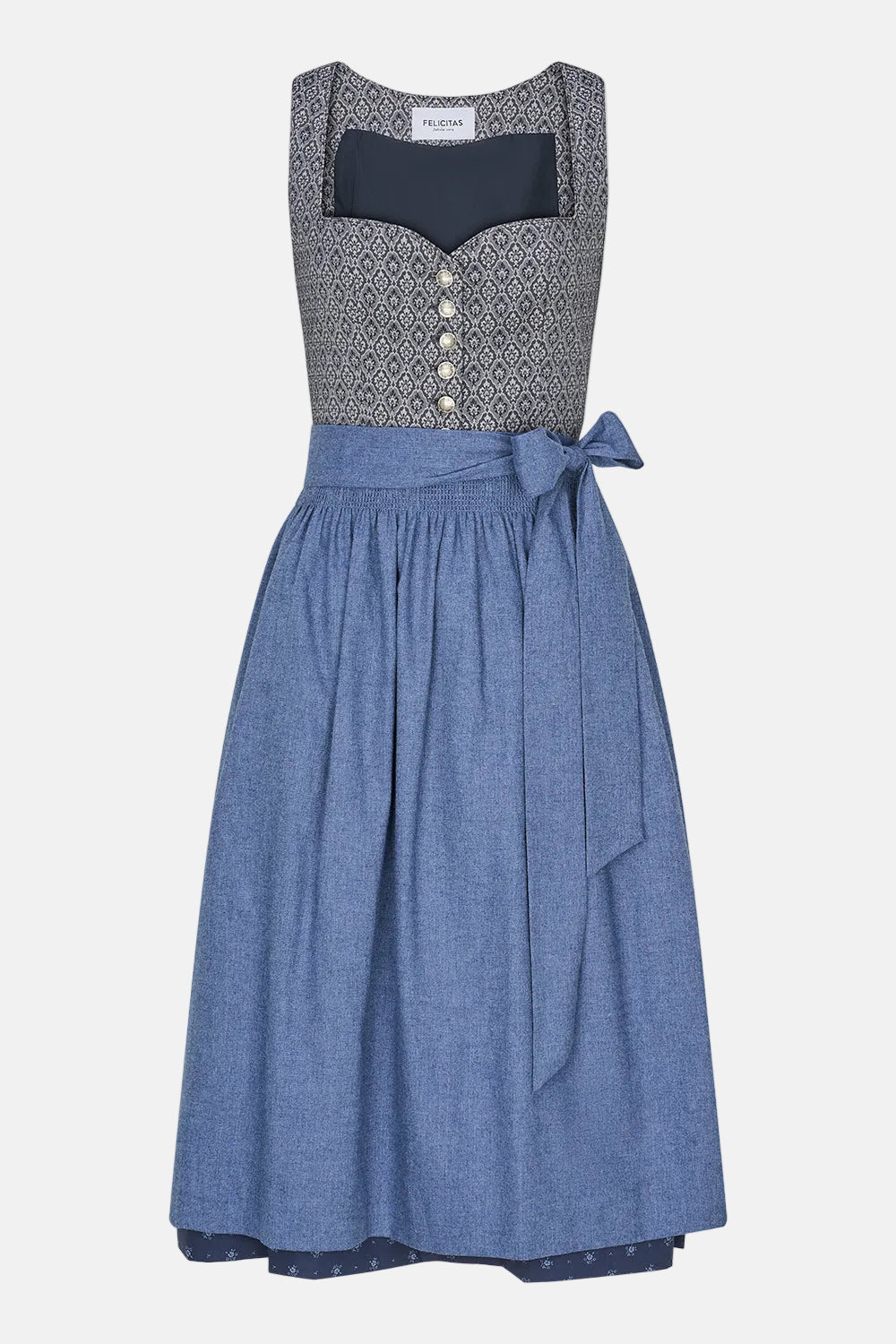
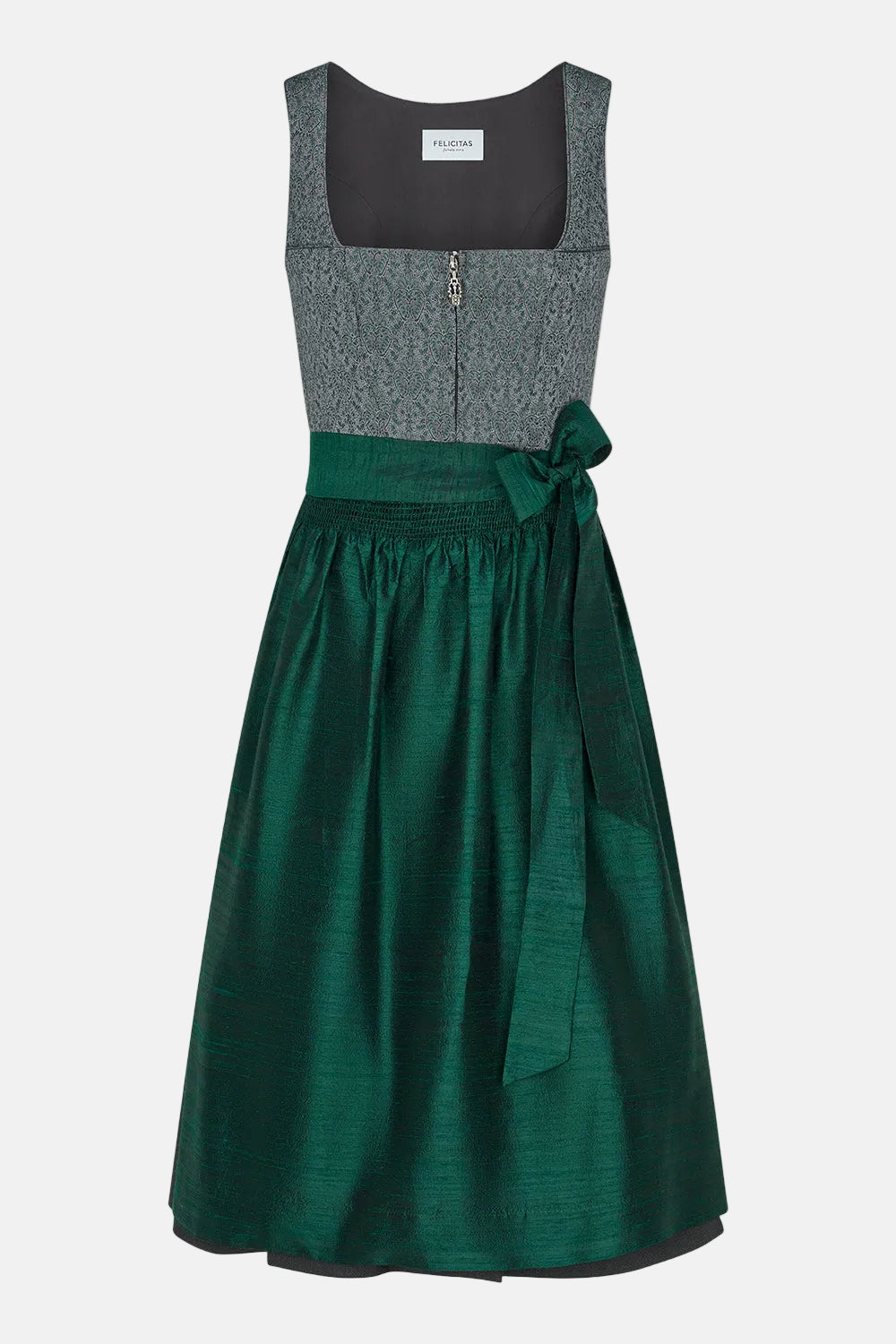
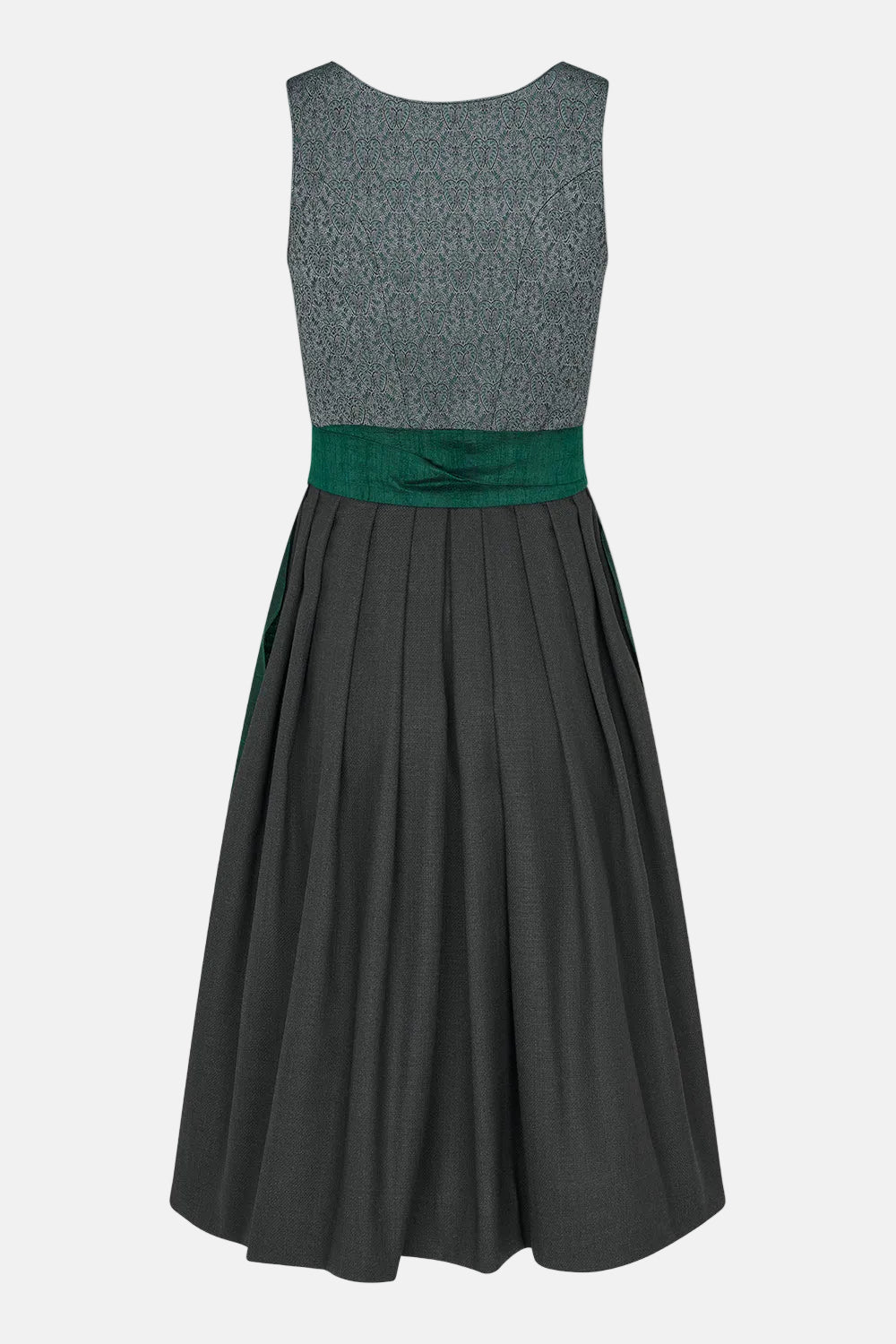
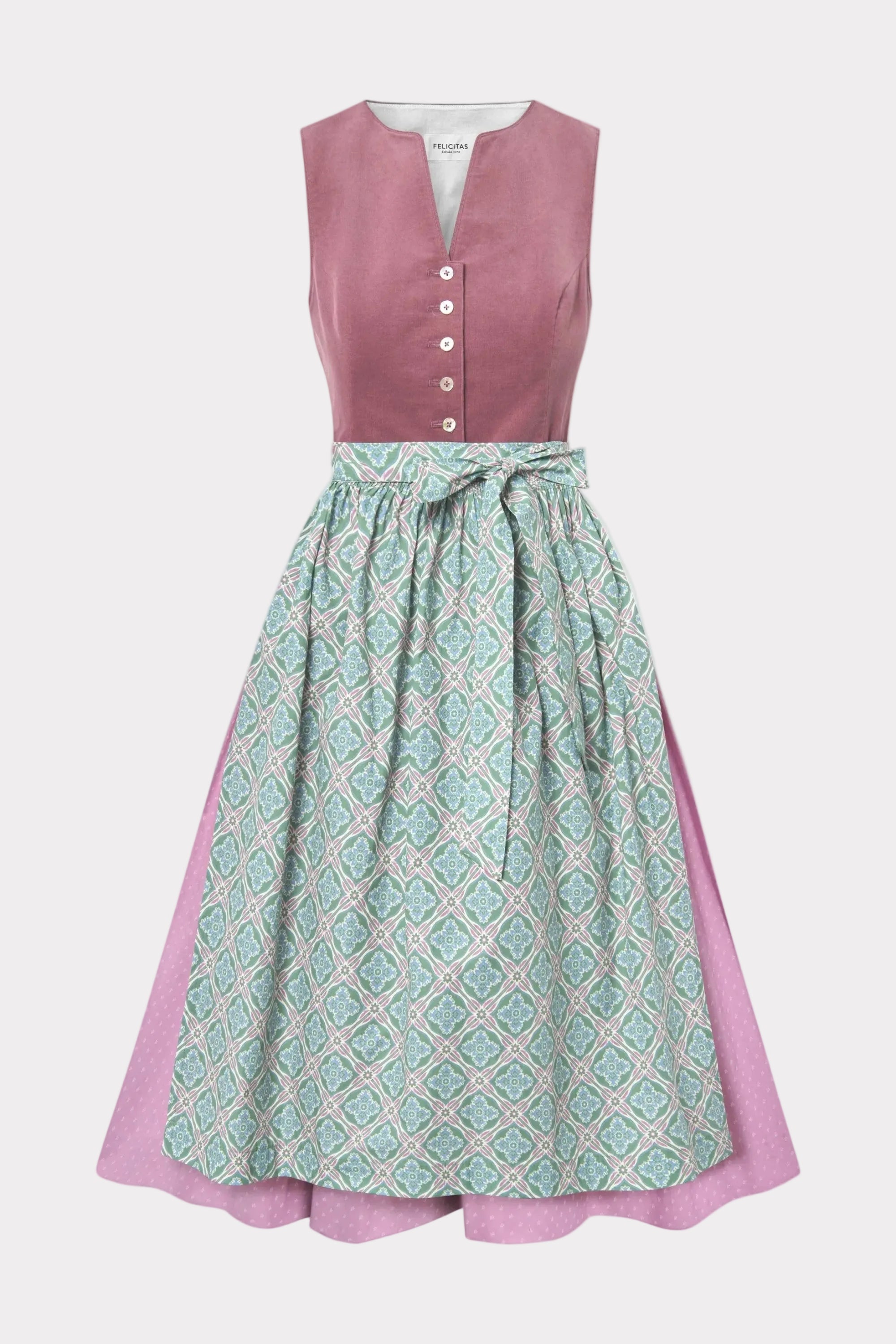
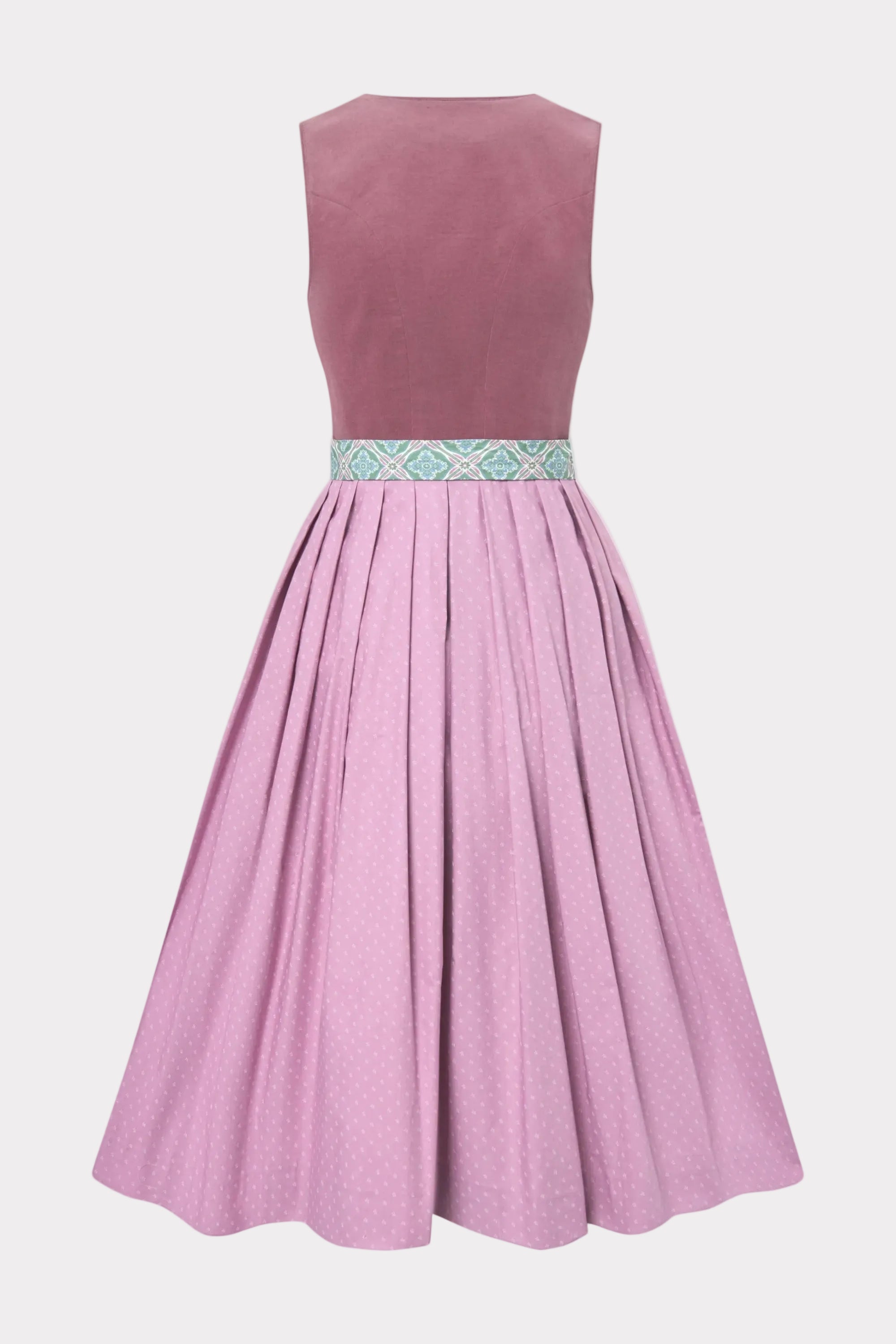
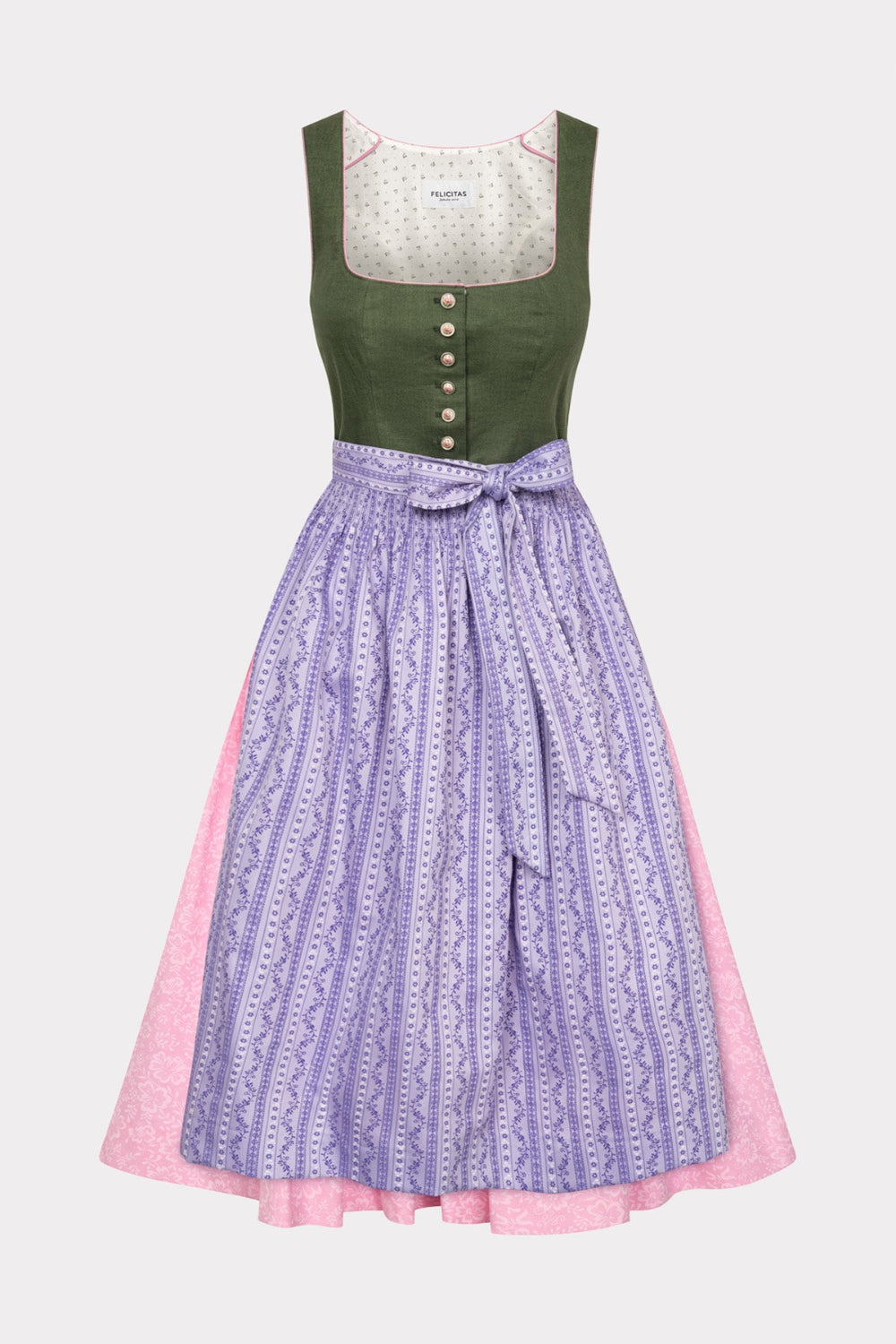
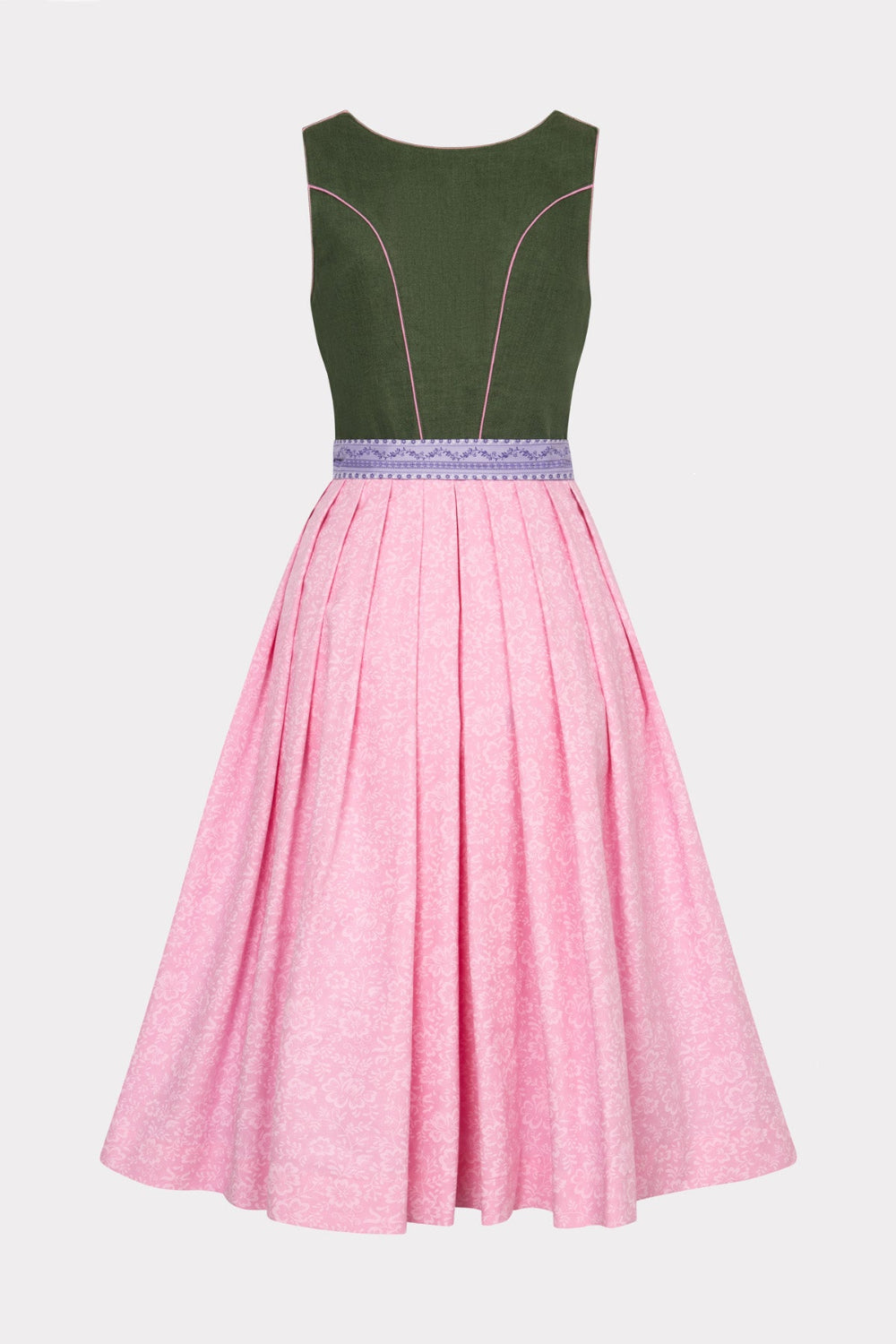
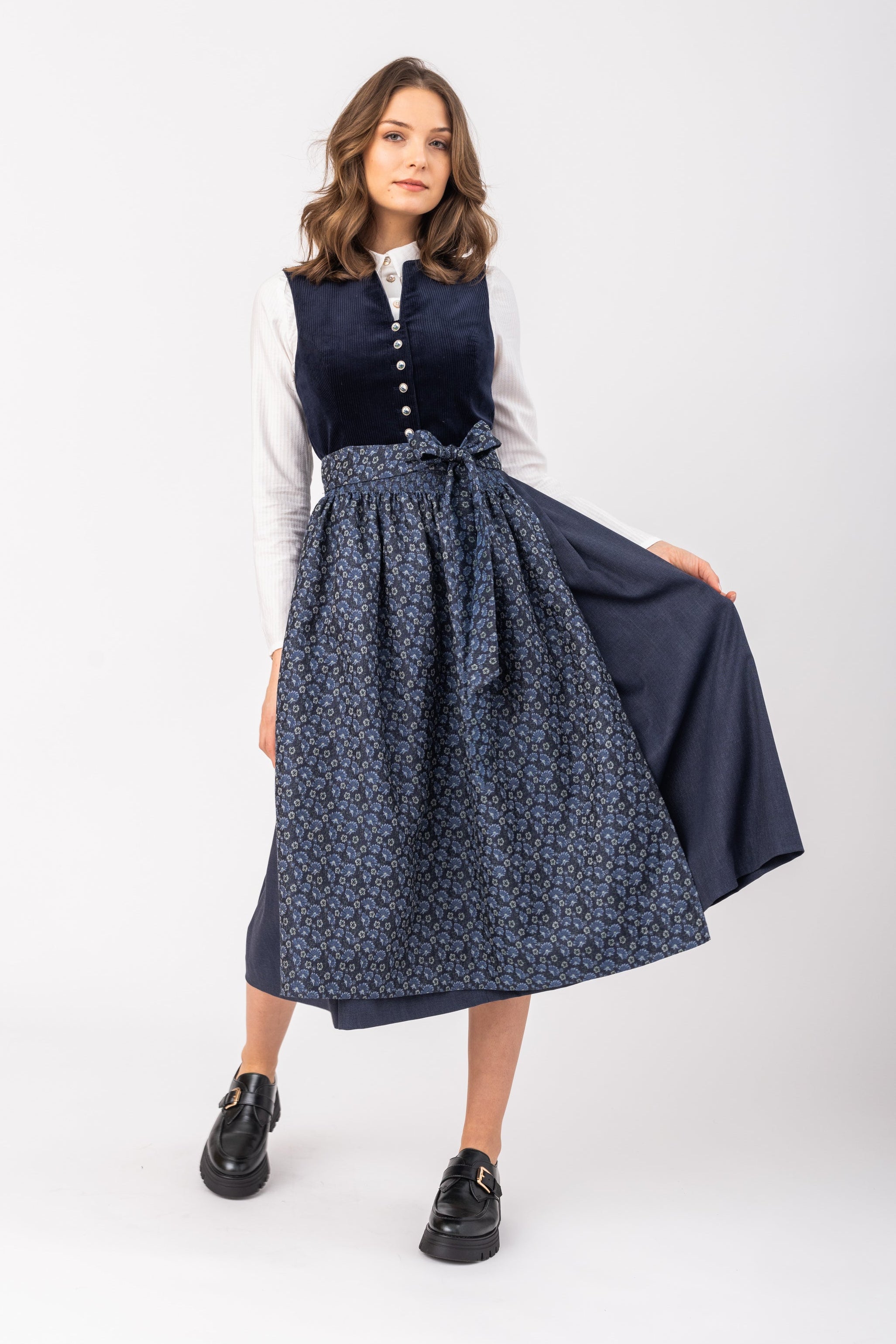
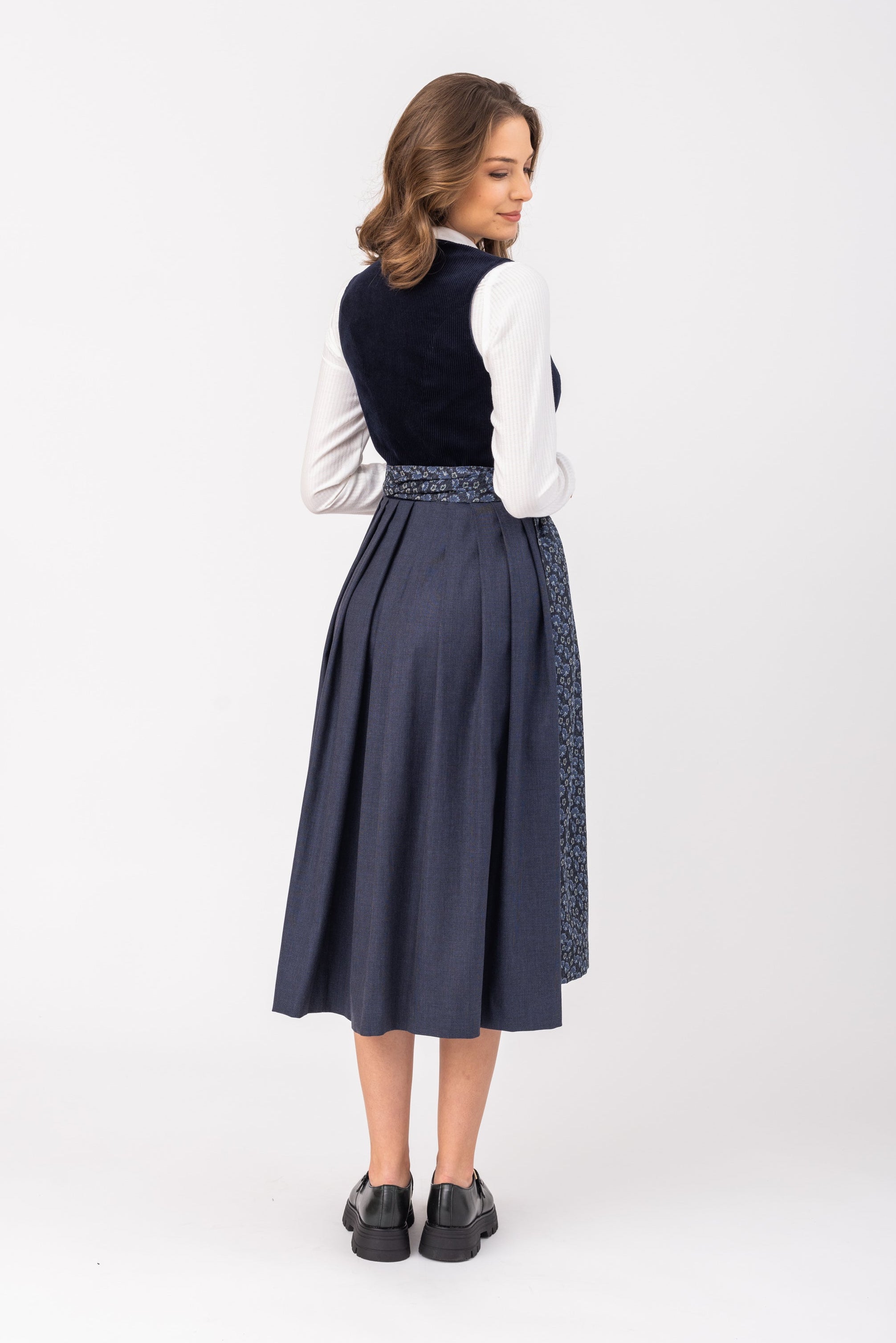
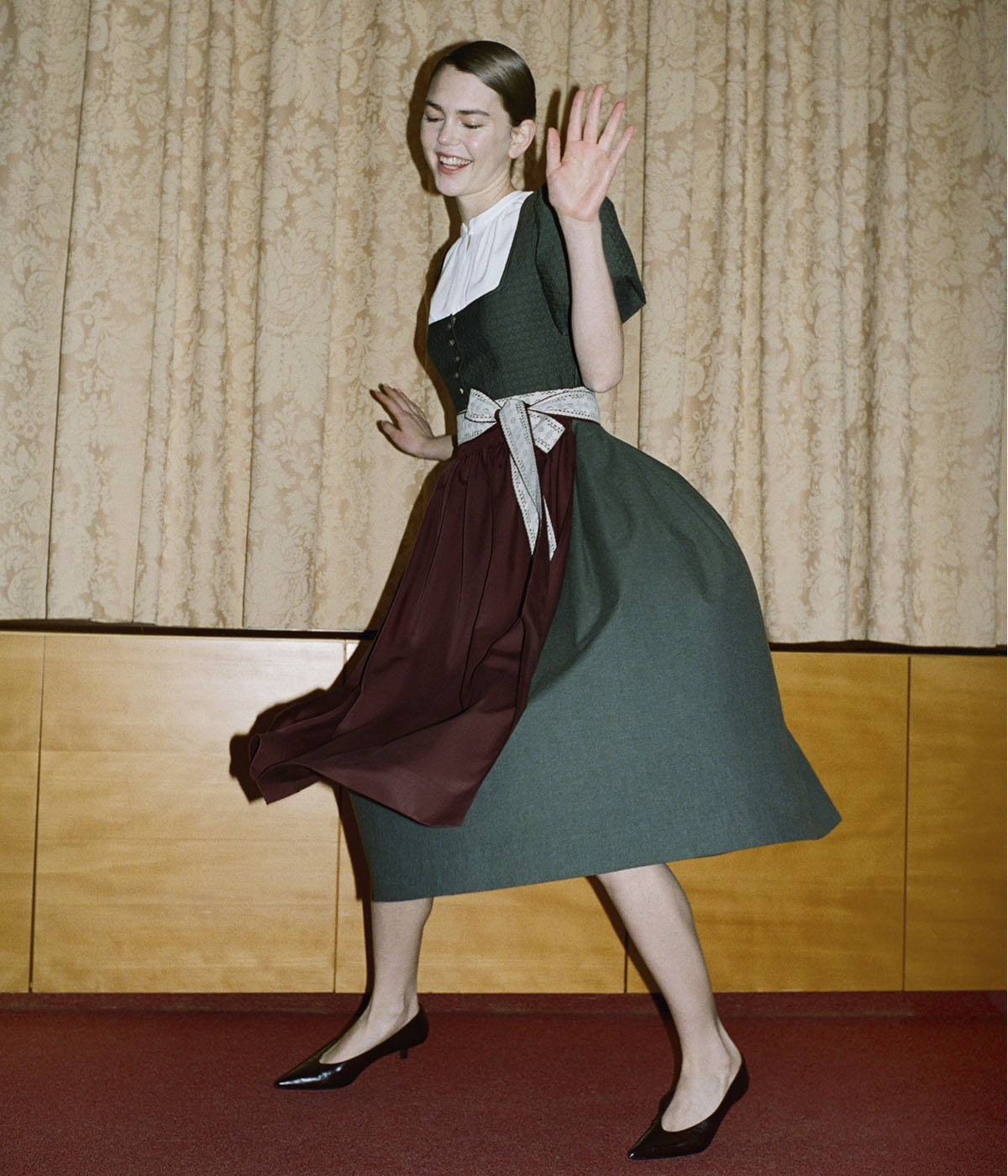
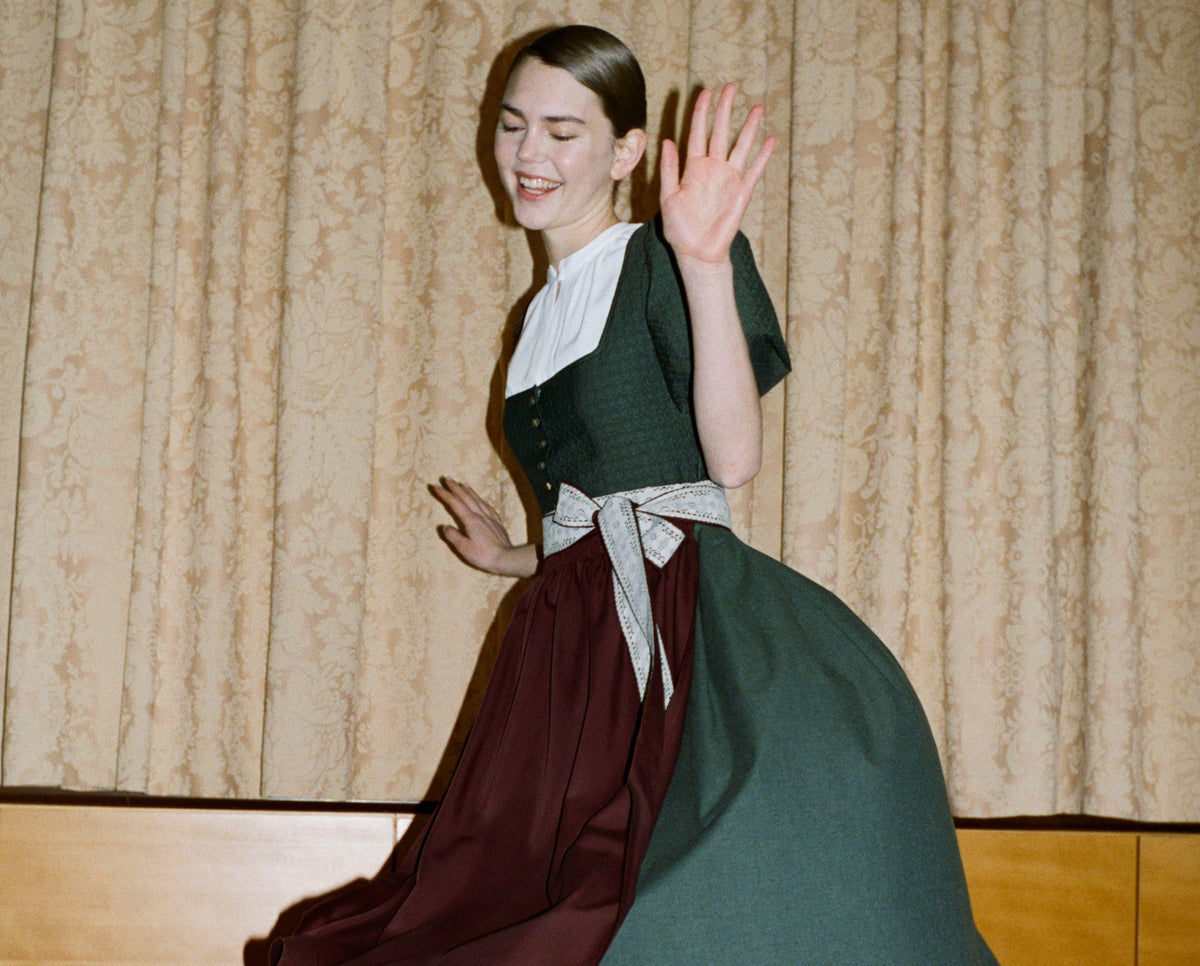
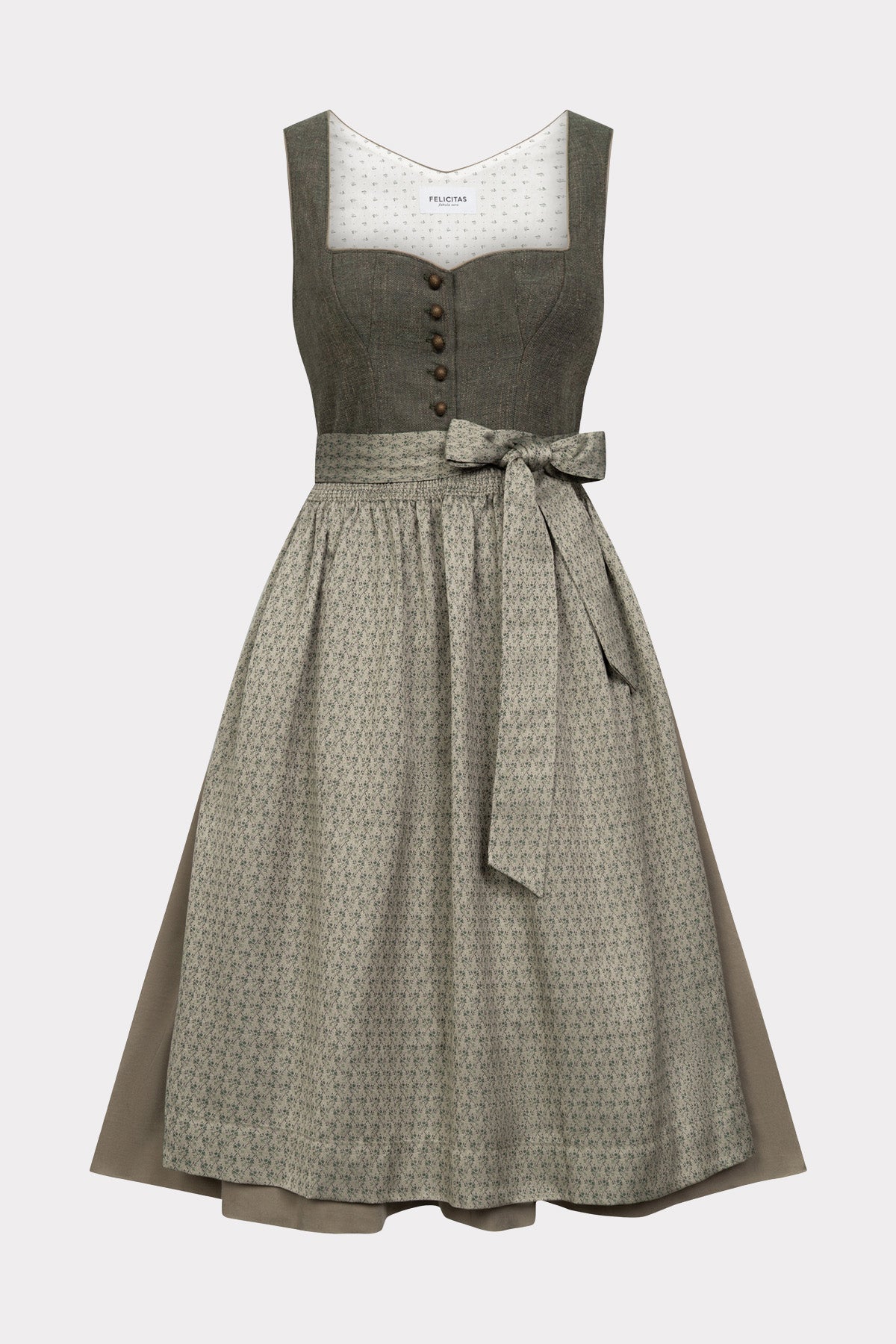
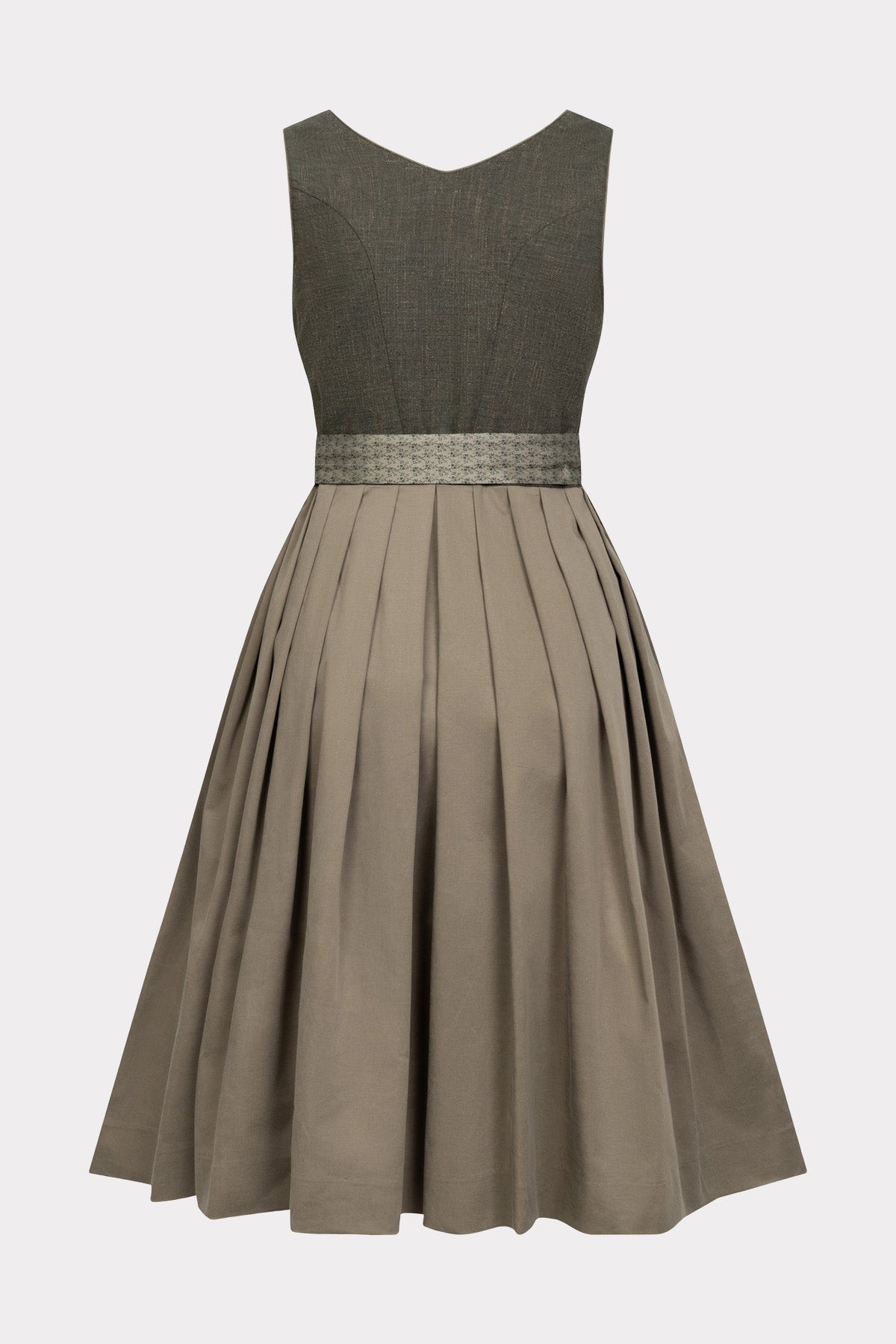
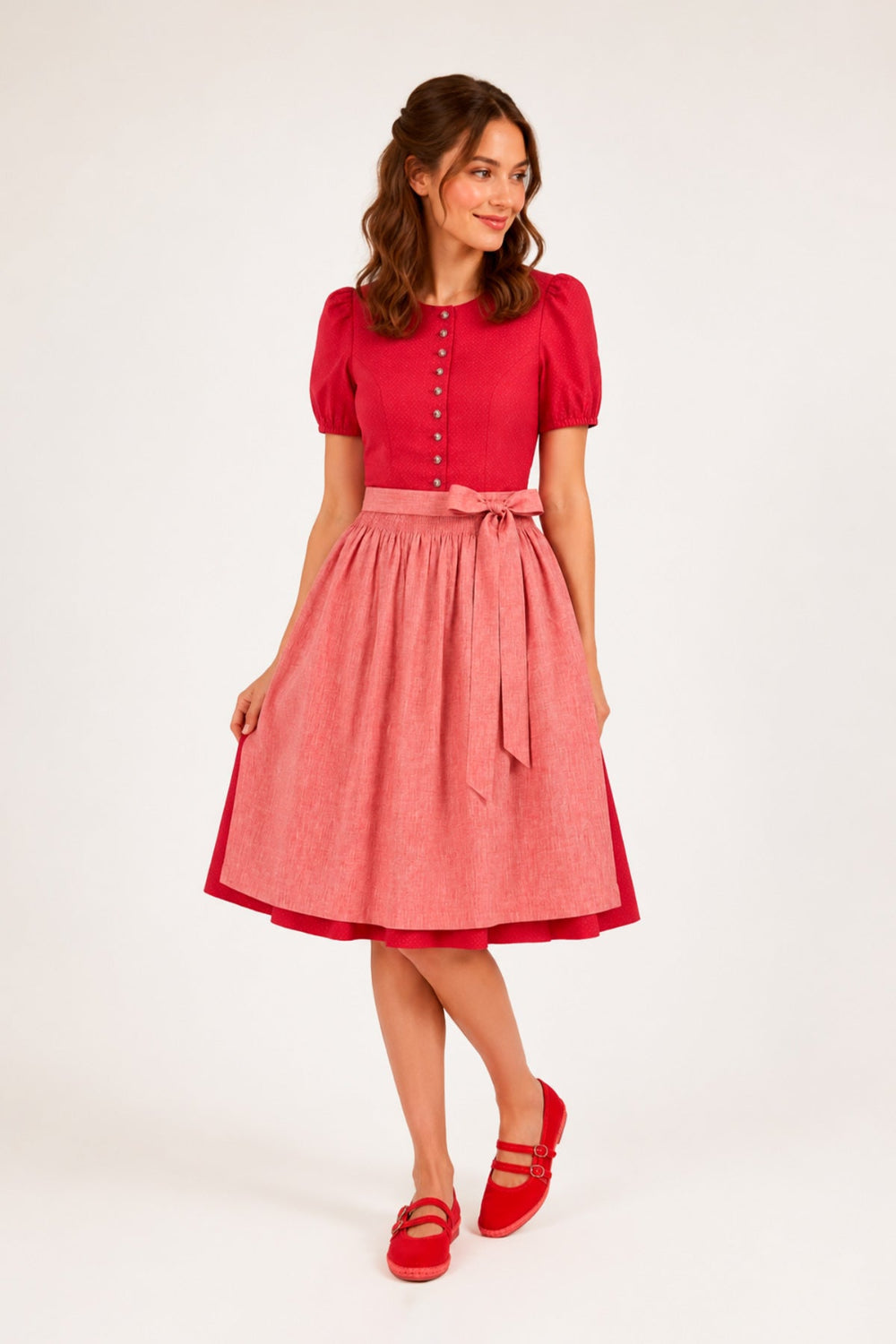
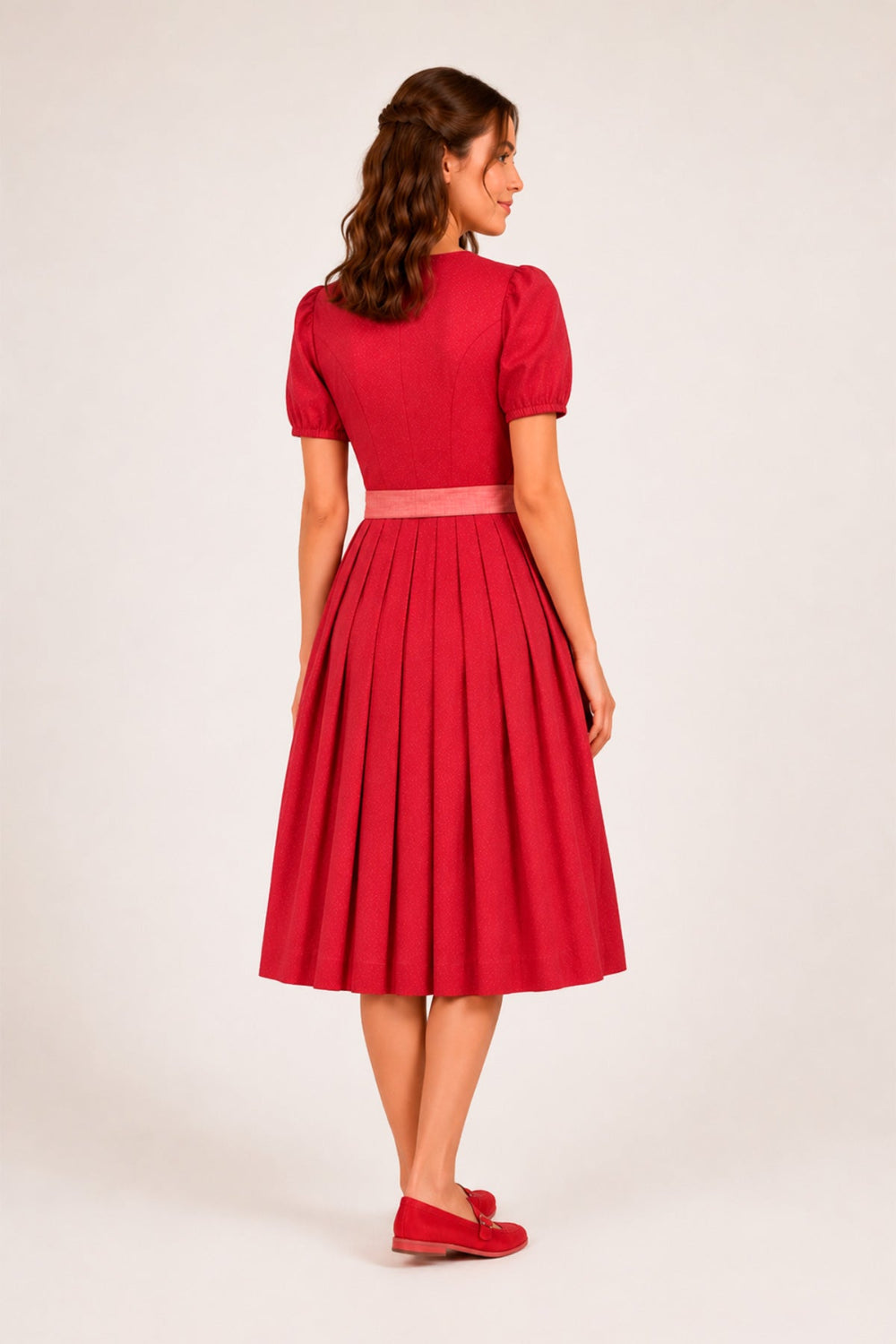
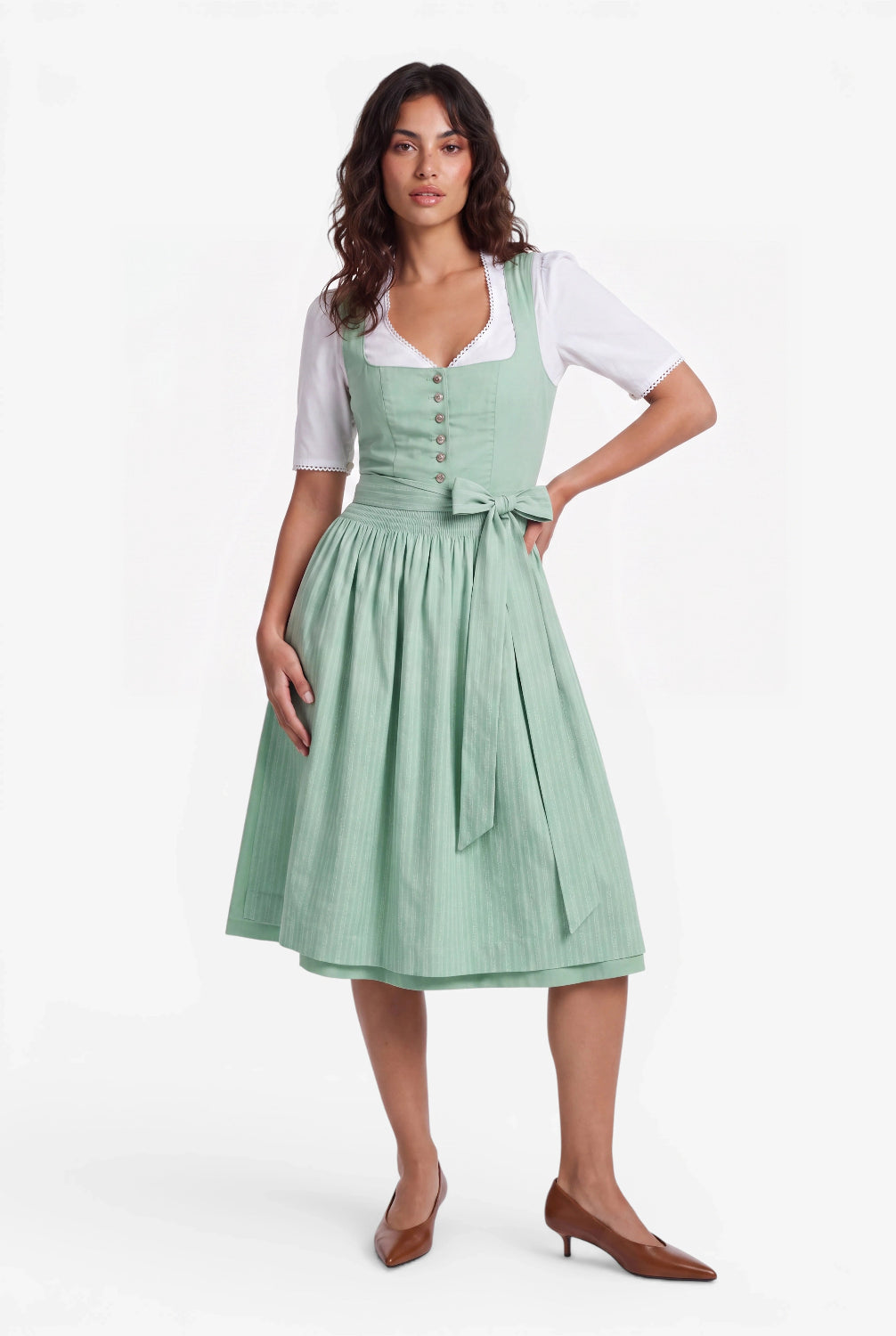
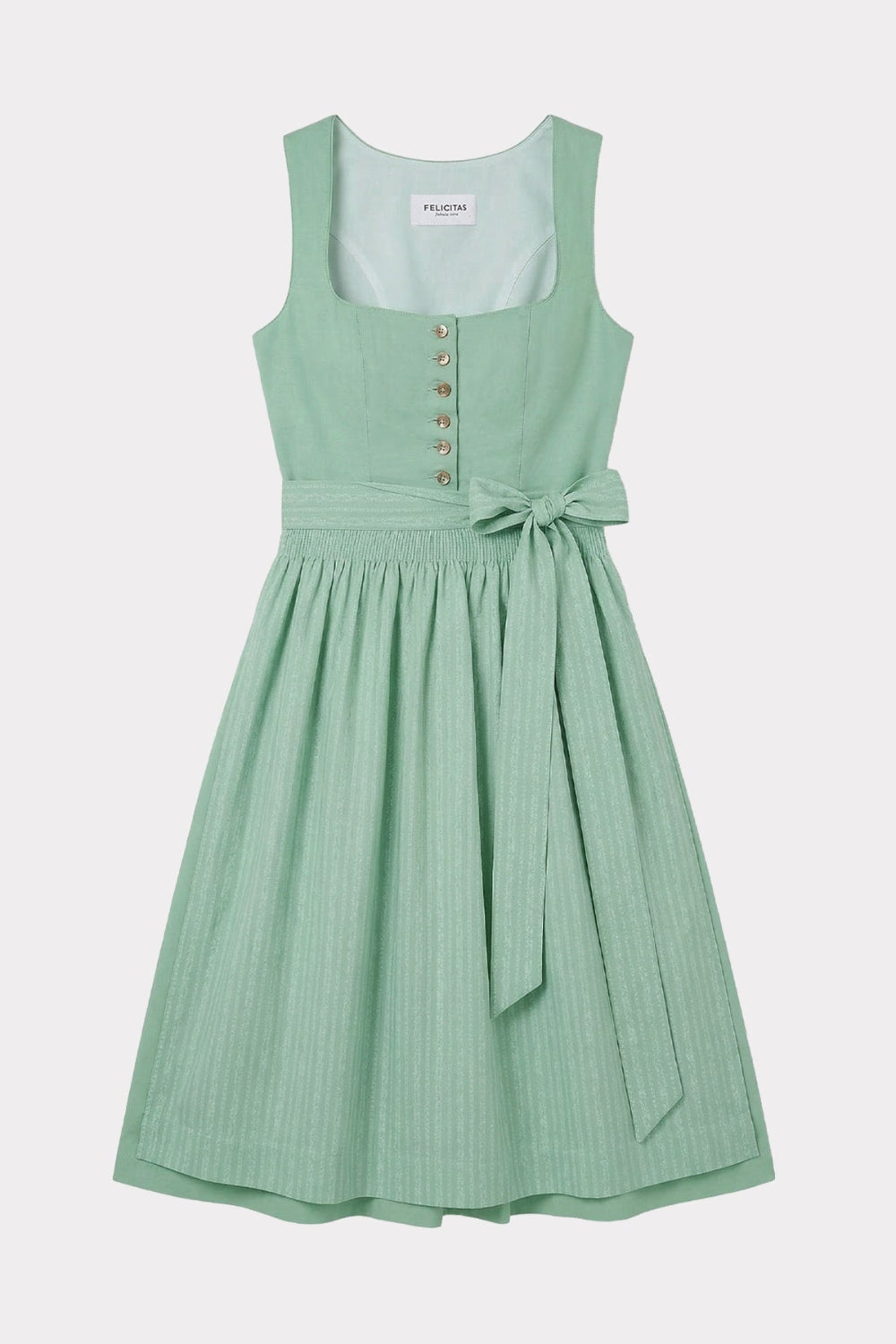
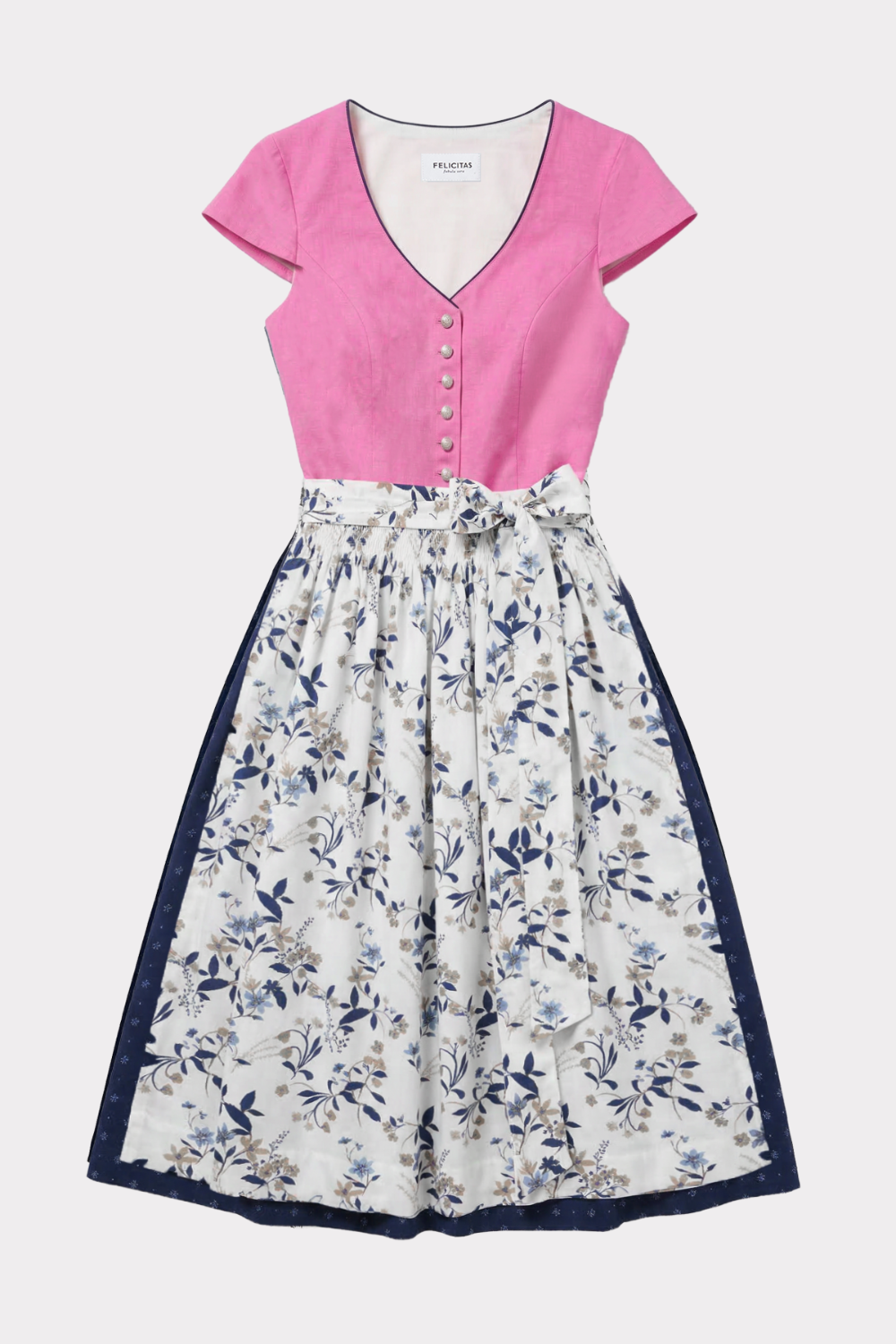
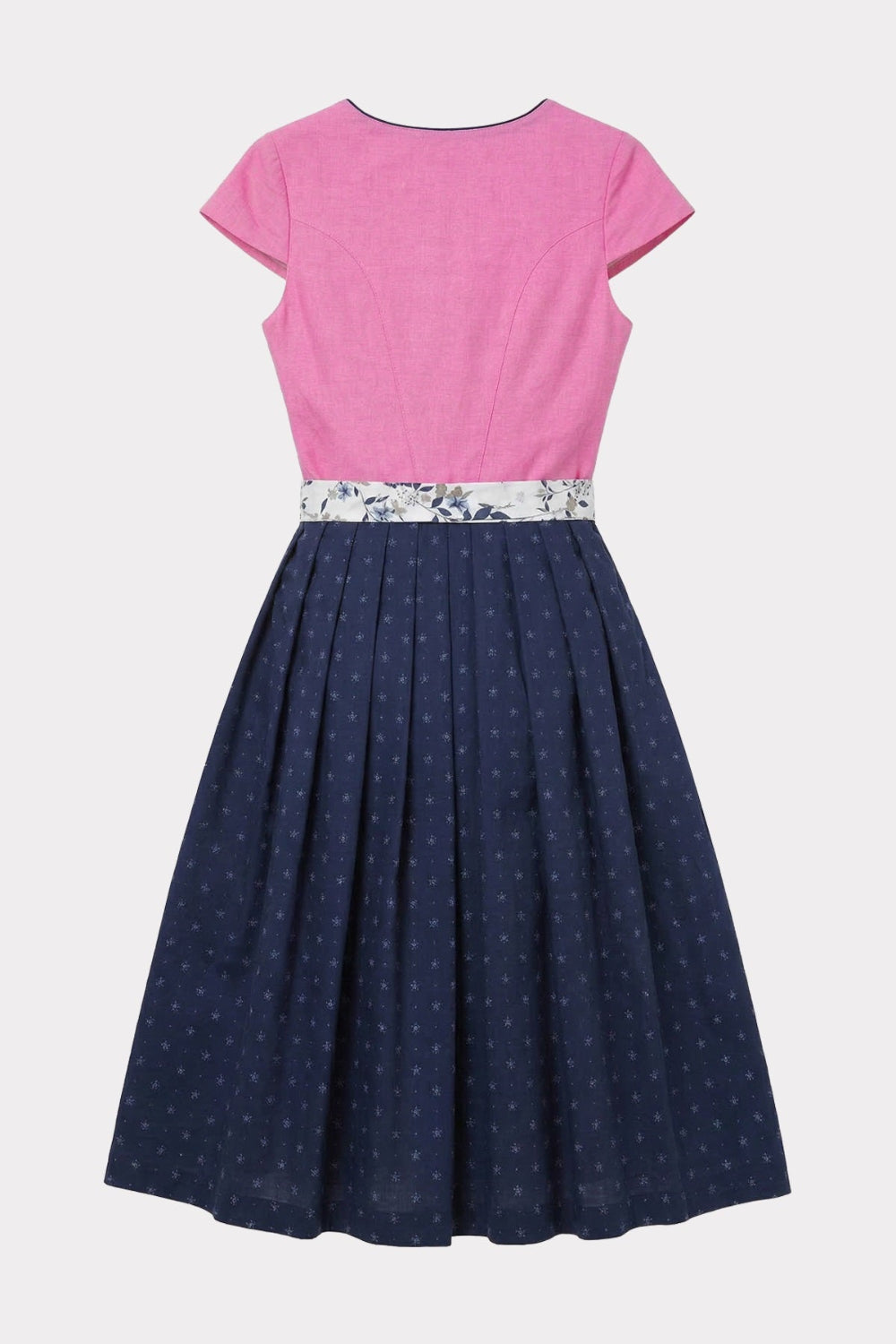
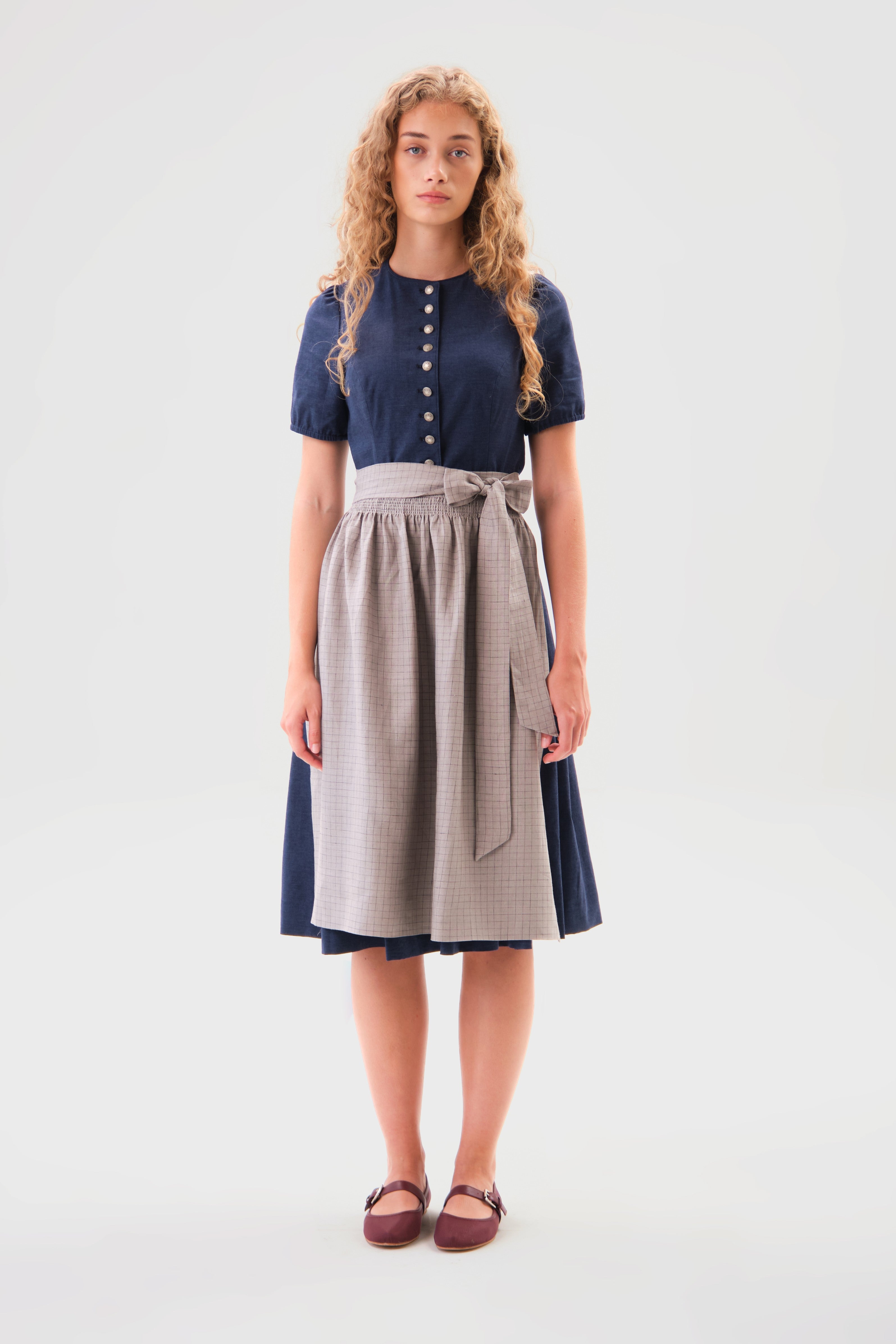
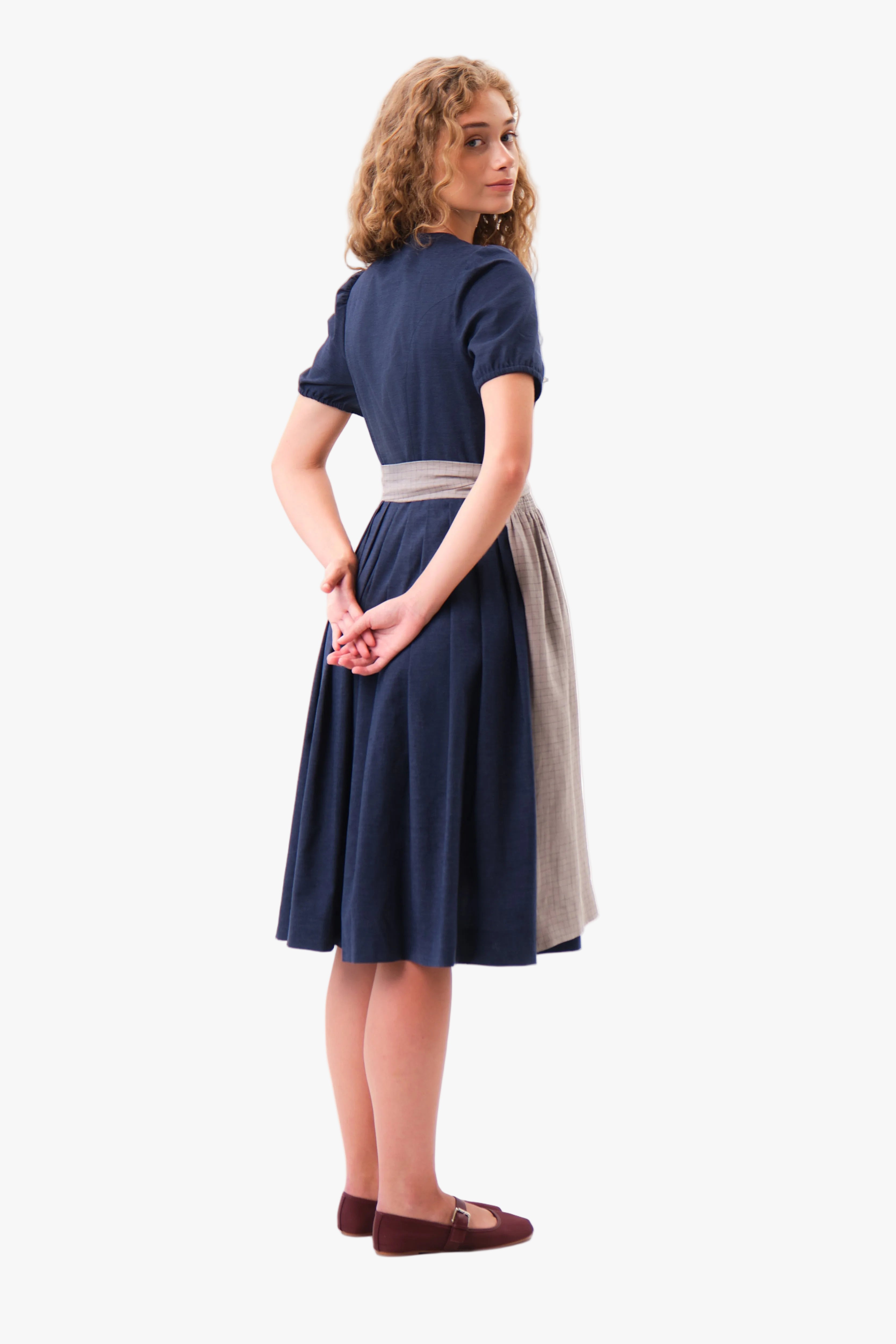
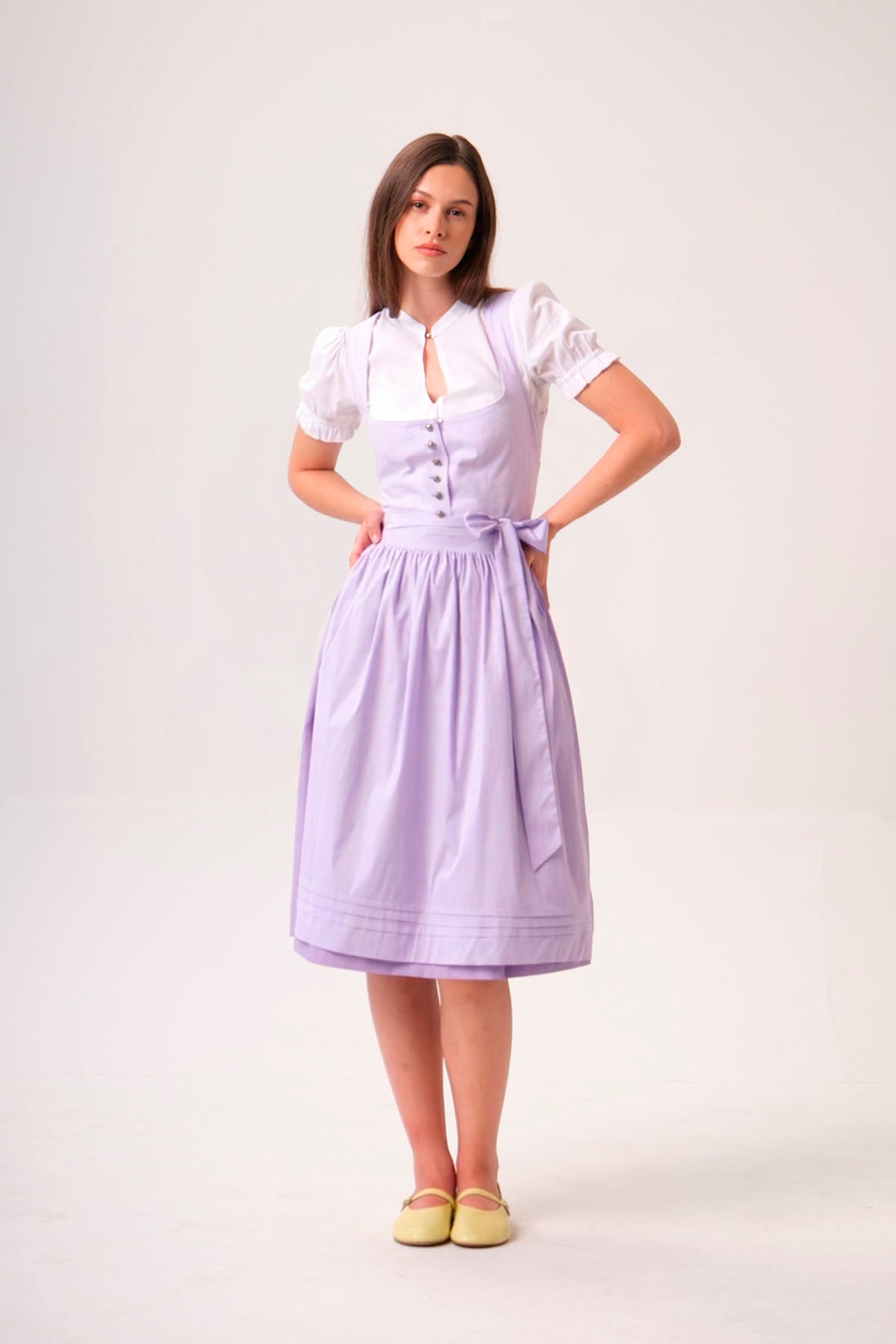
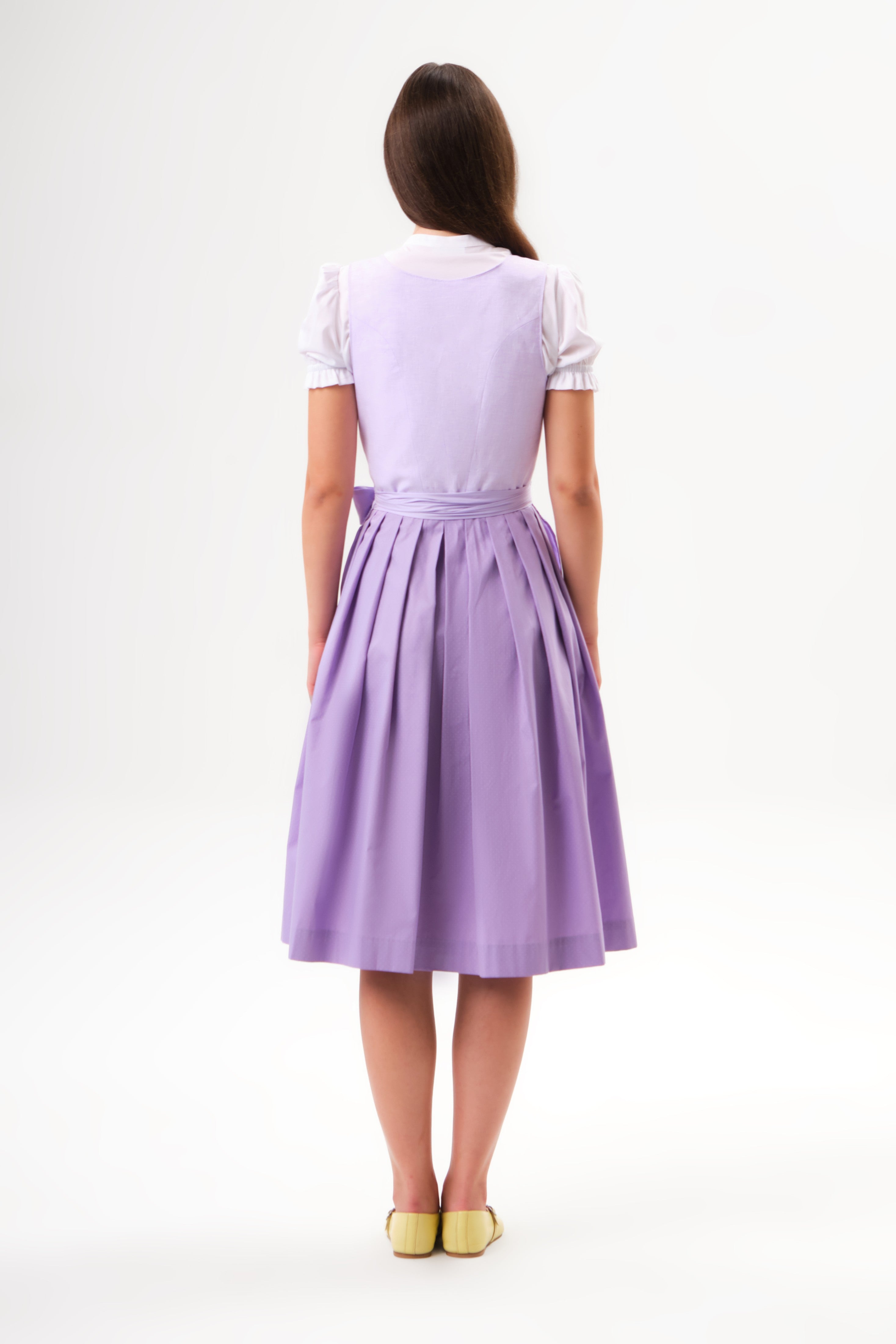
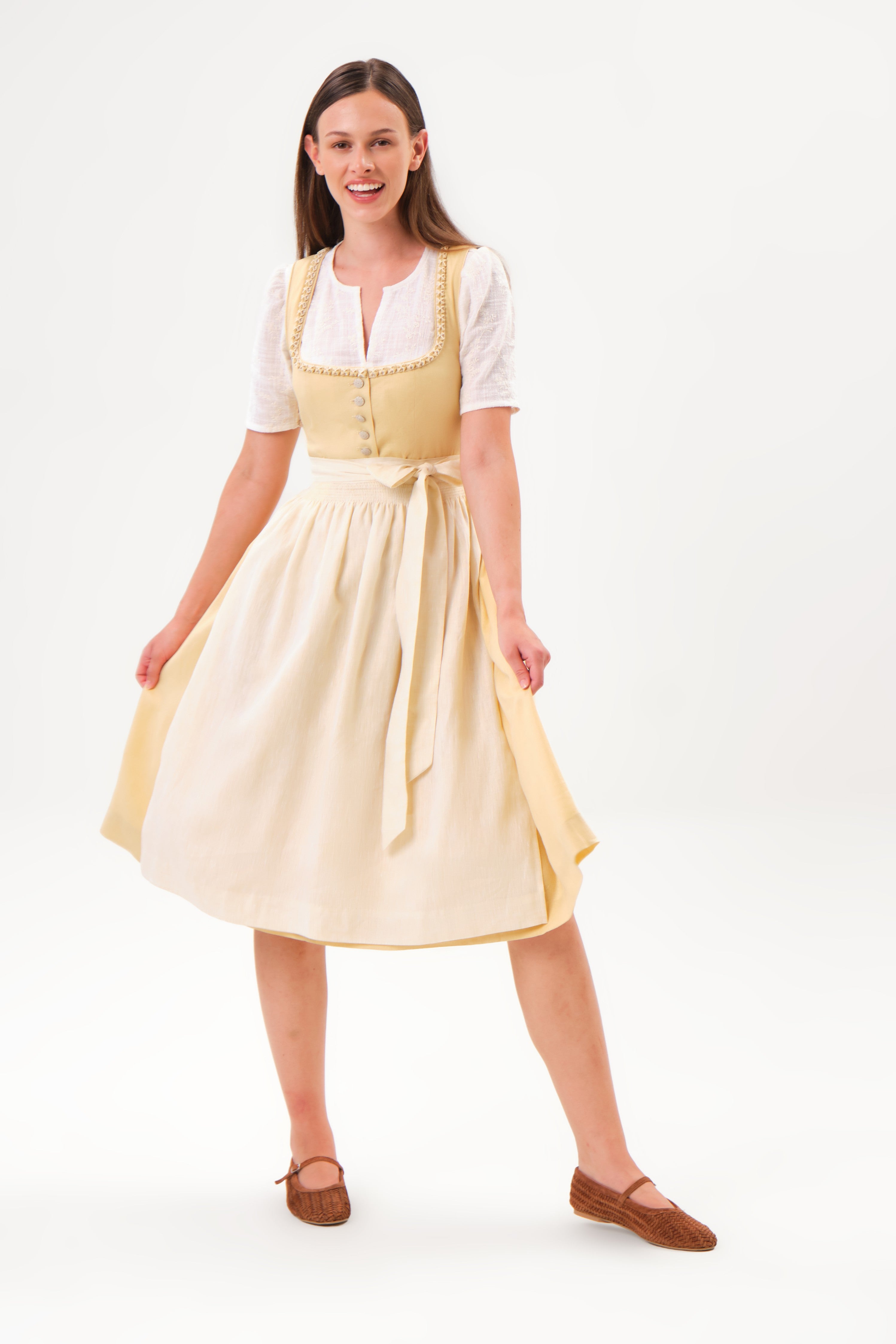
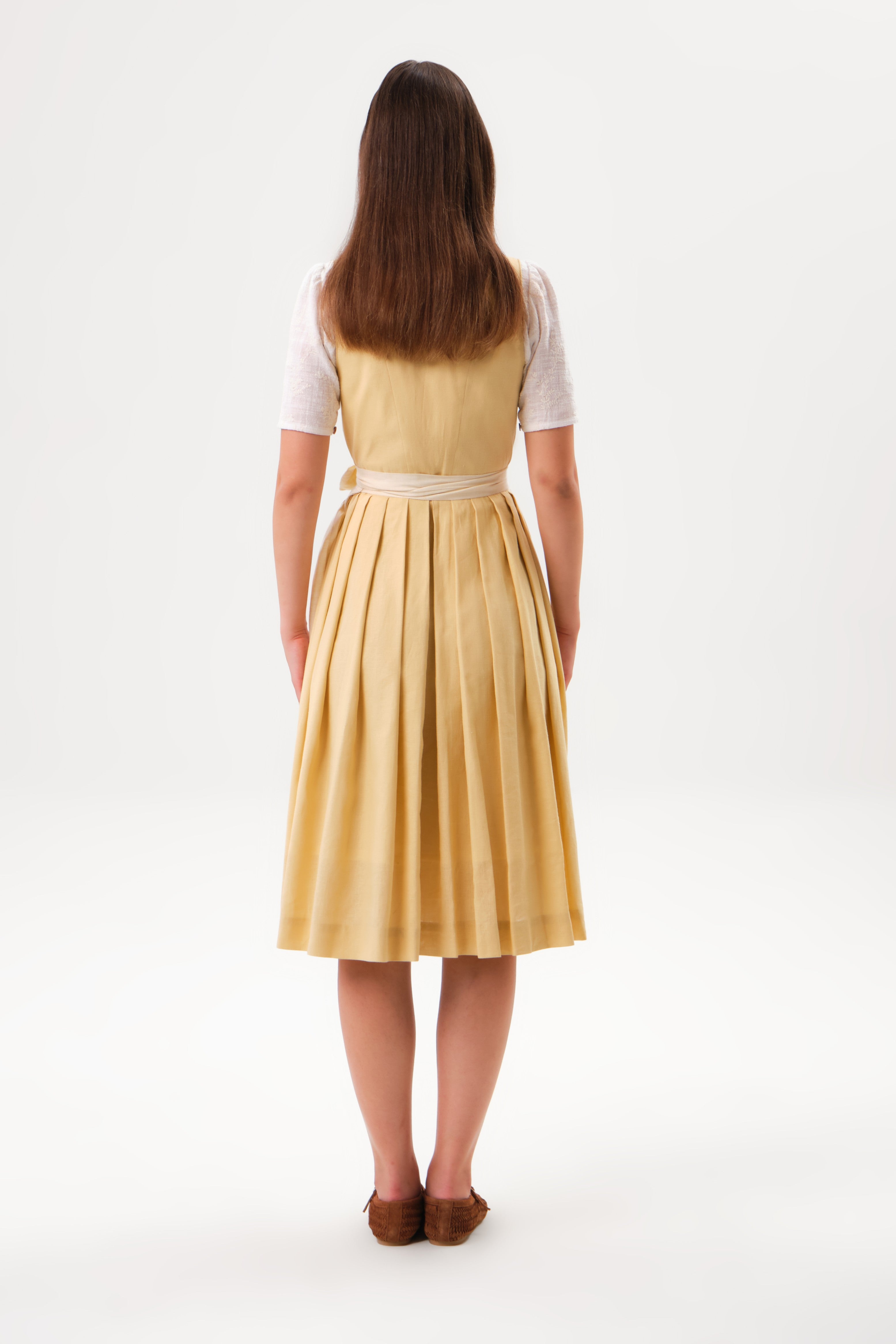
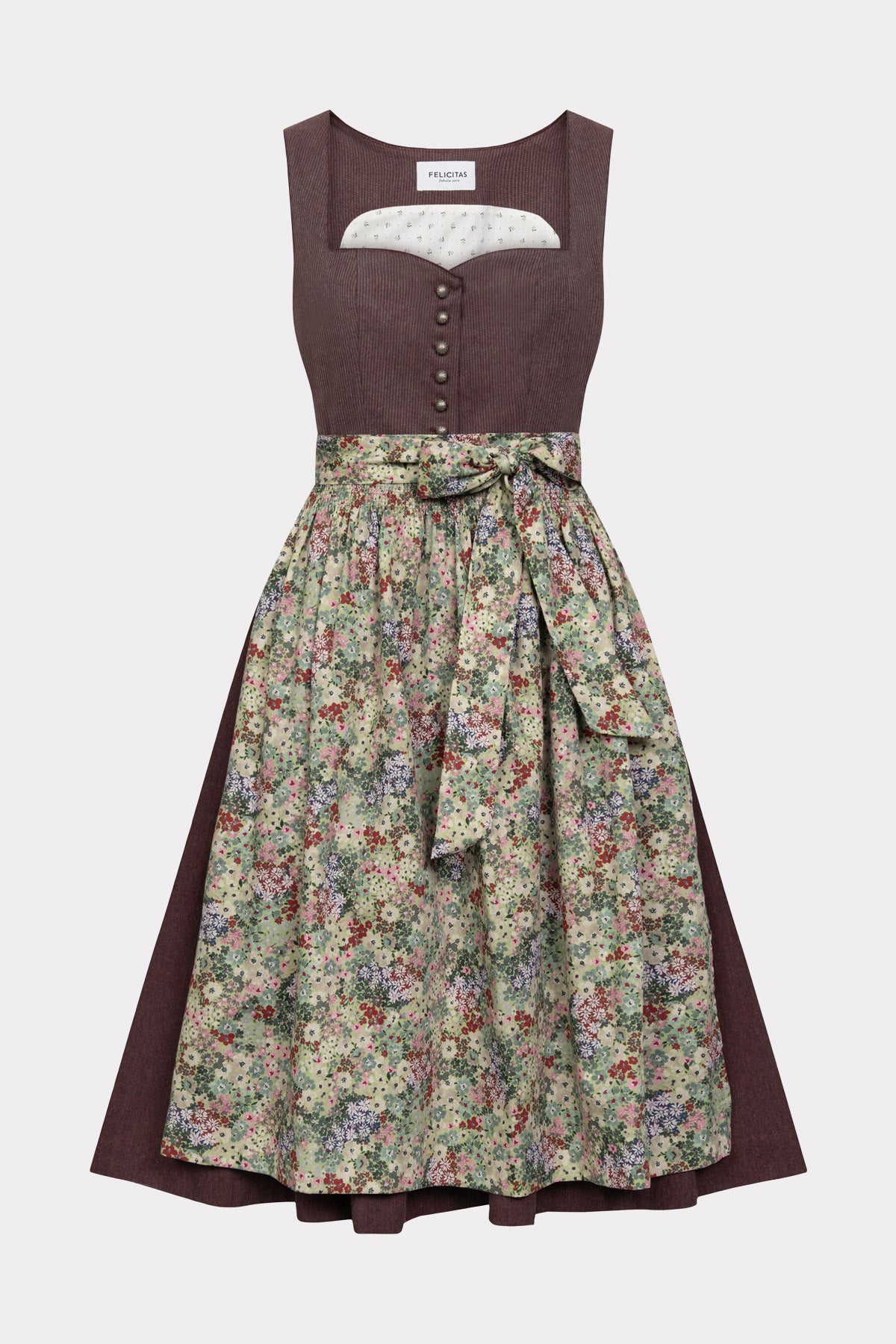
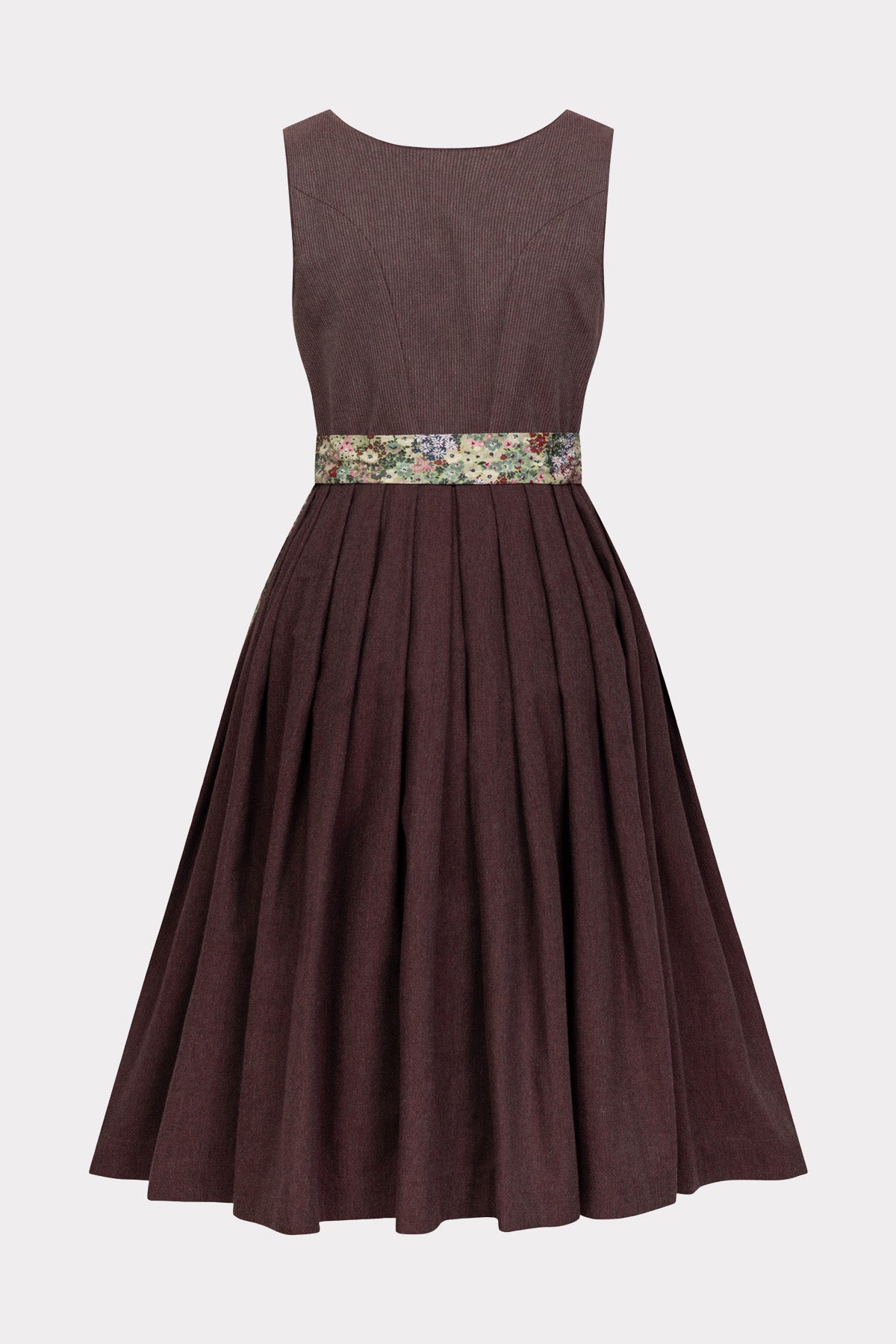
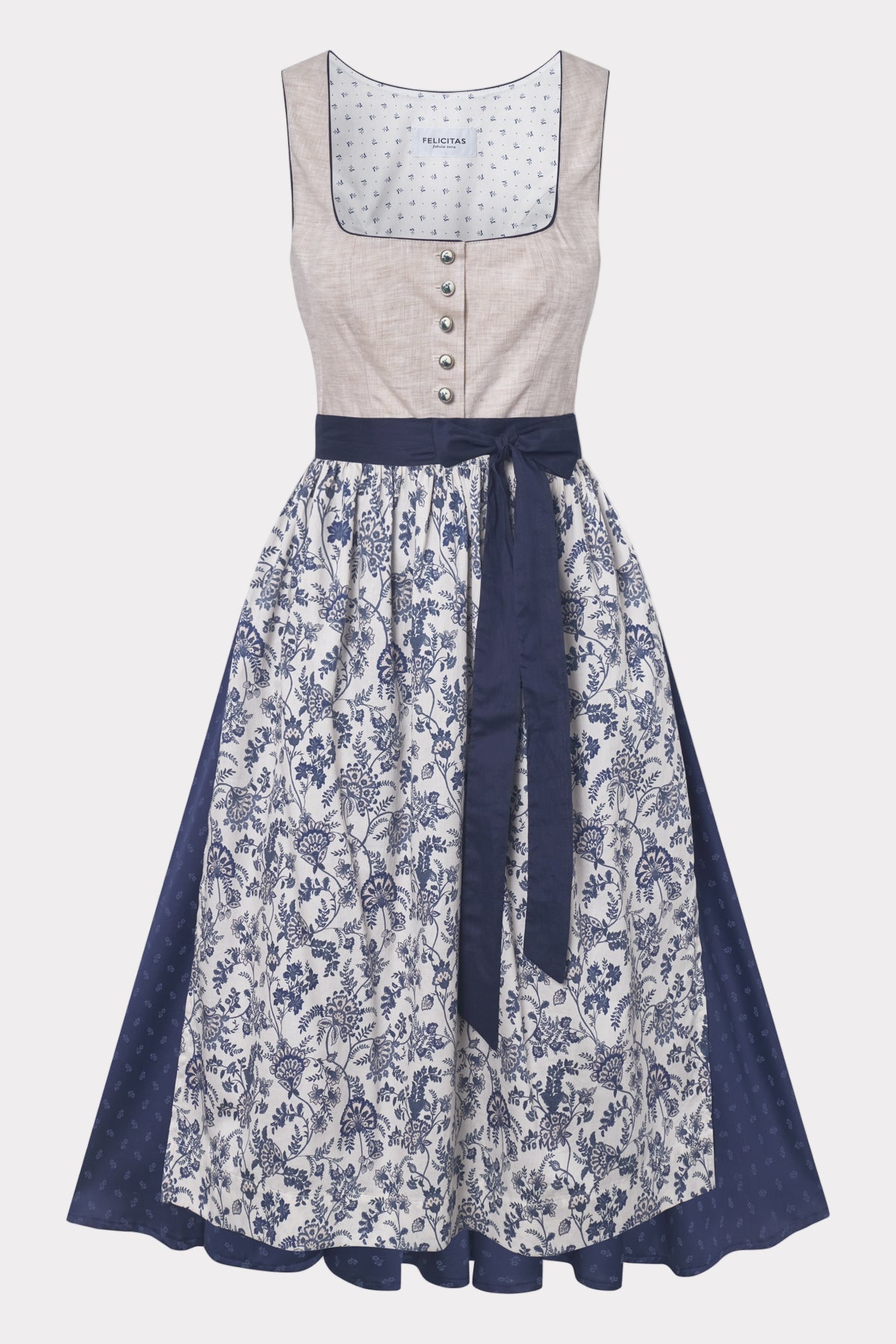
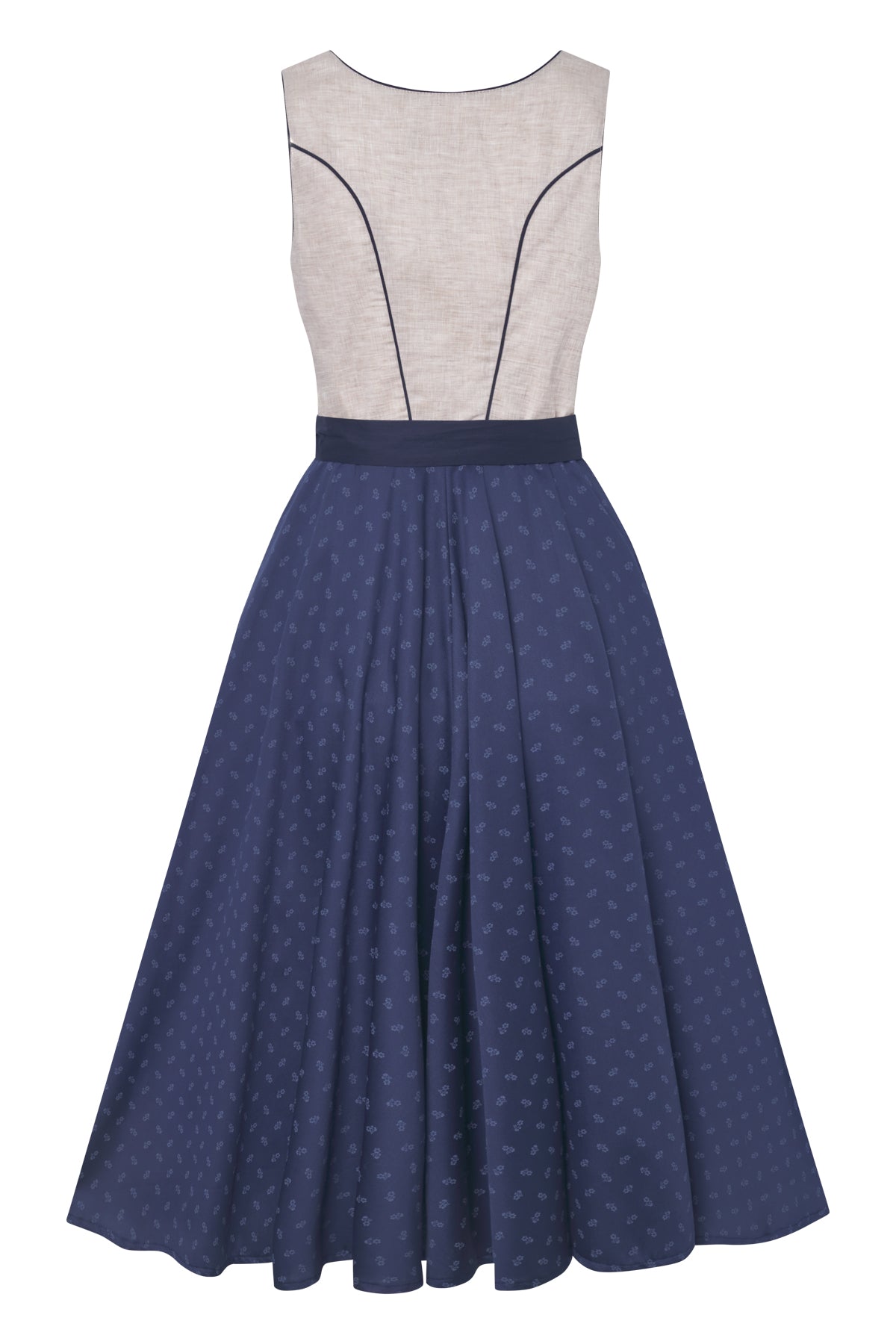
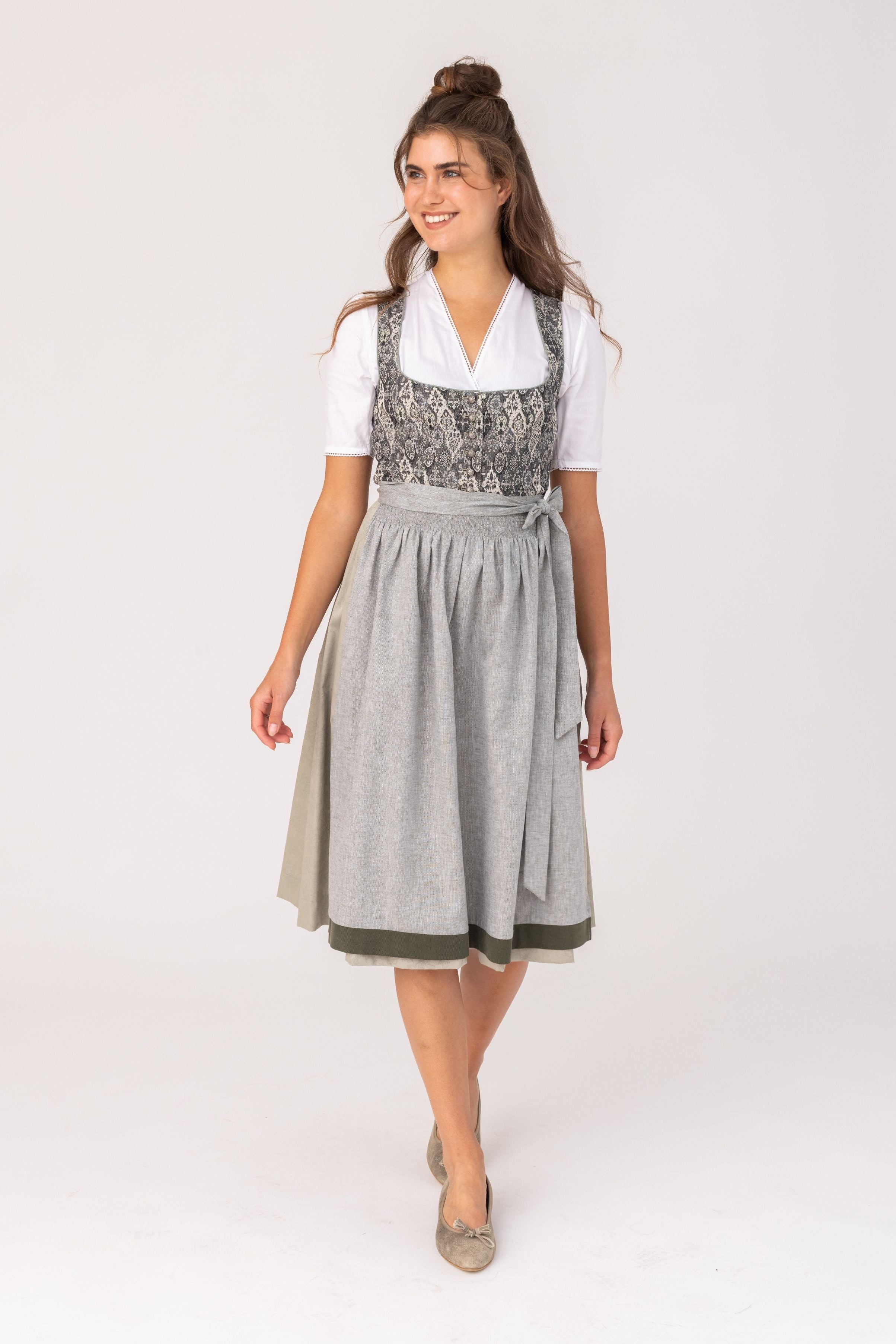
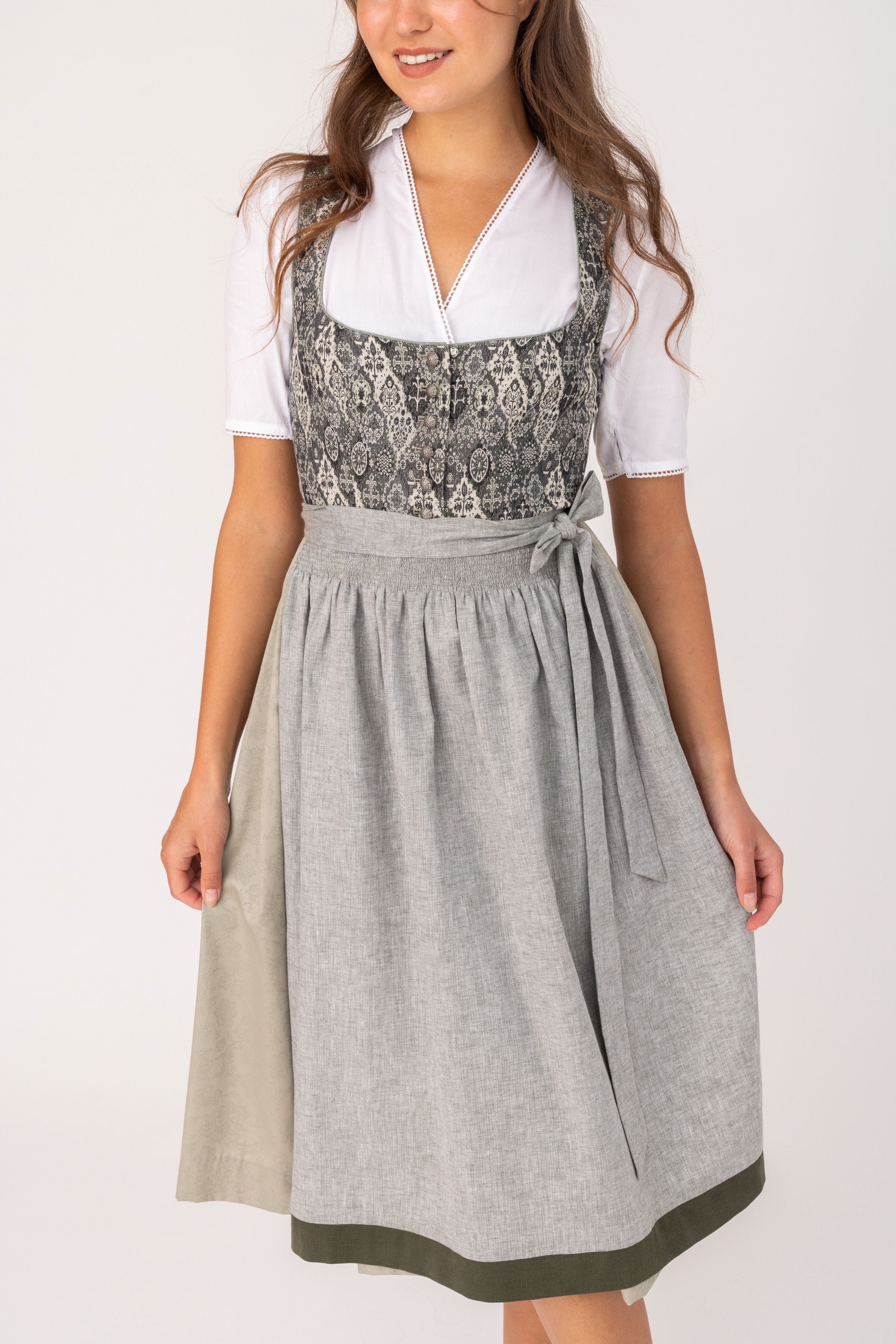
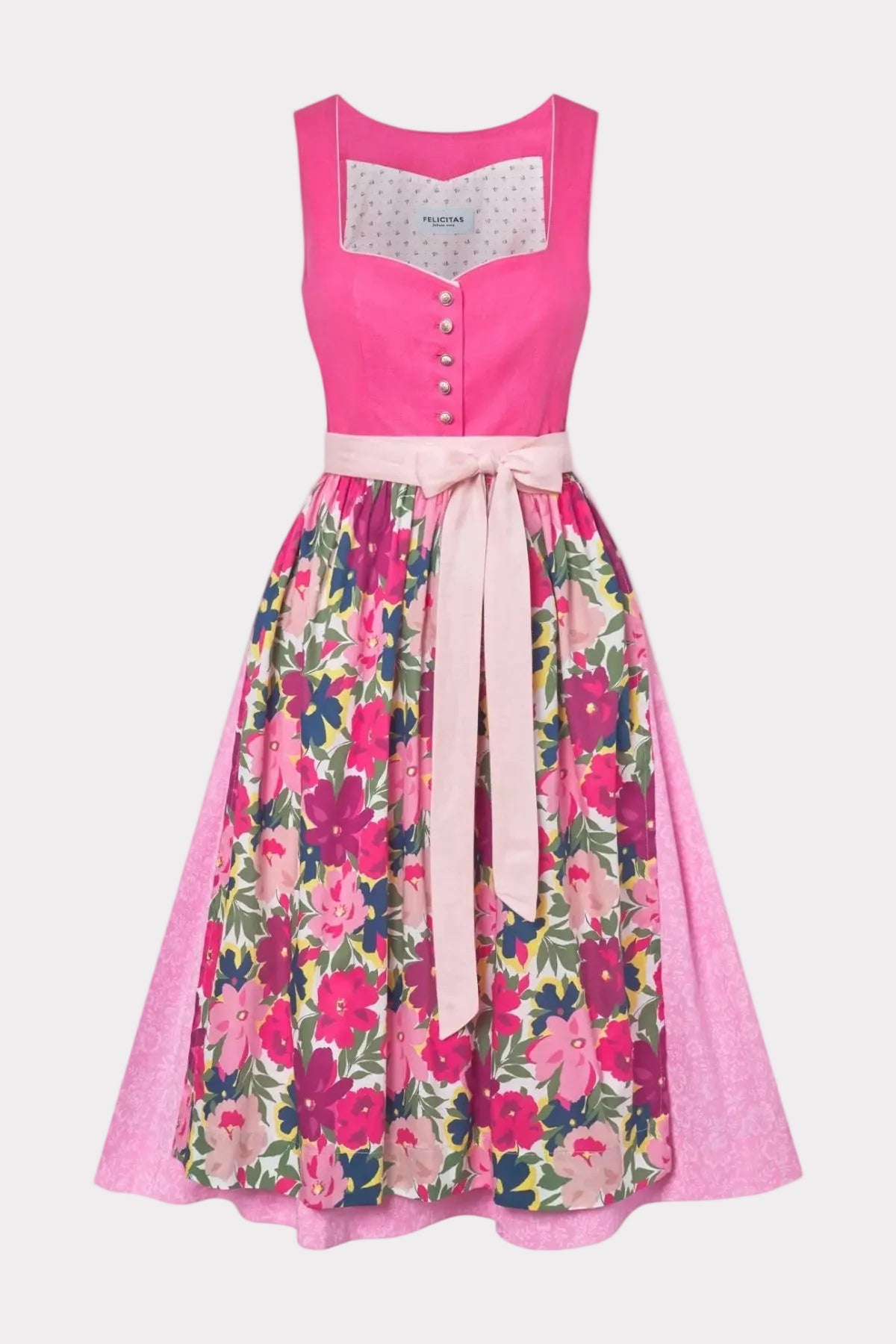
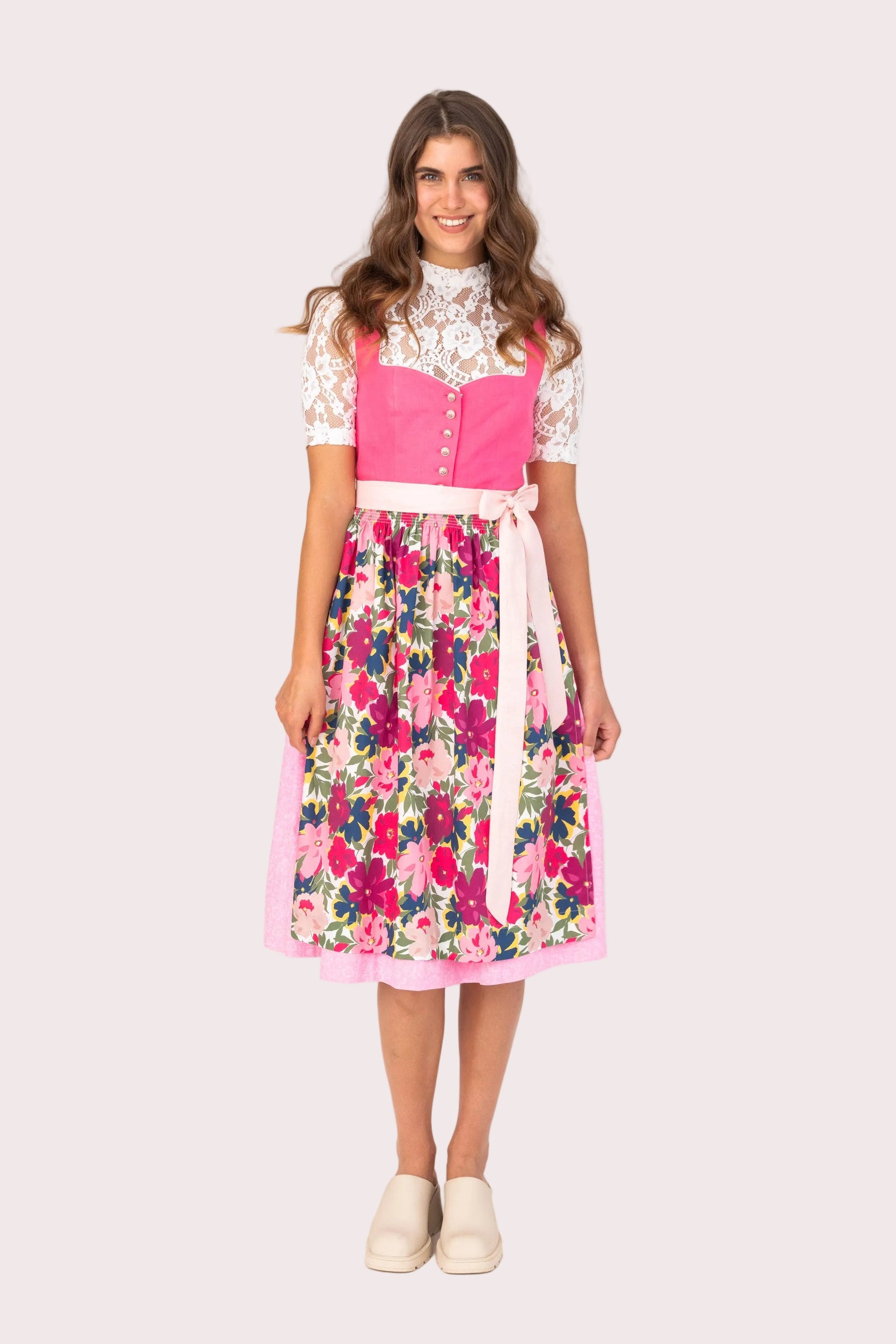
Frequently asked questions about Dirndls
Looking for the right dirndl but still unsure about the neckline, length, or fit? Here you'll find the most important answers about choosing, styling, materials, and care.
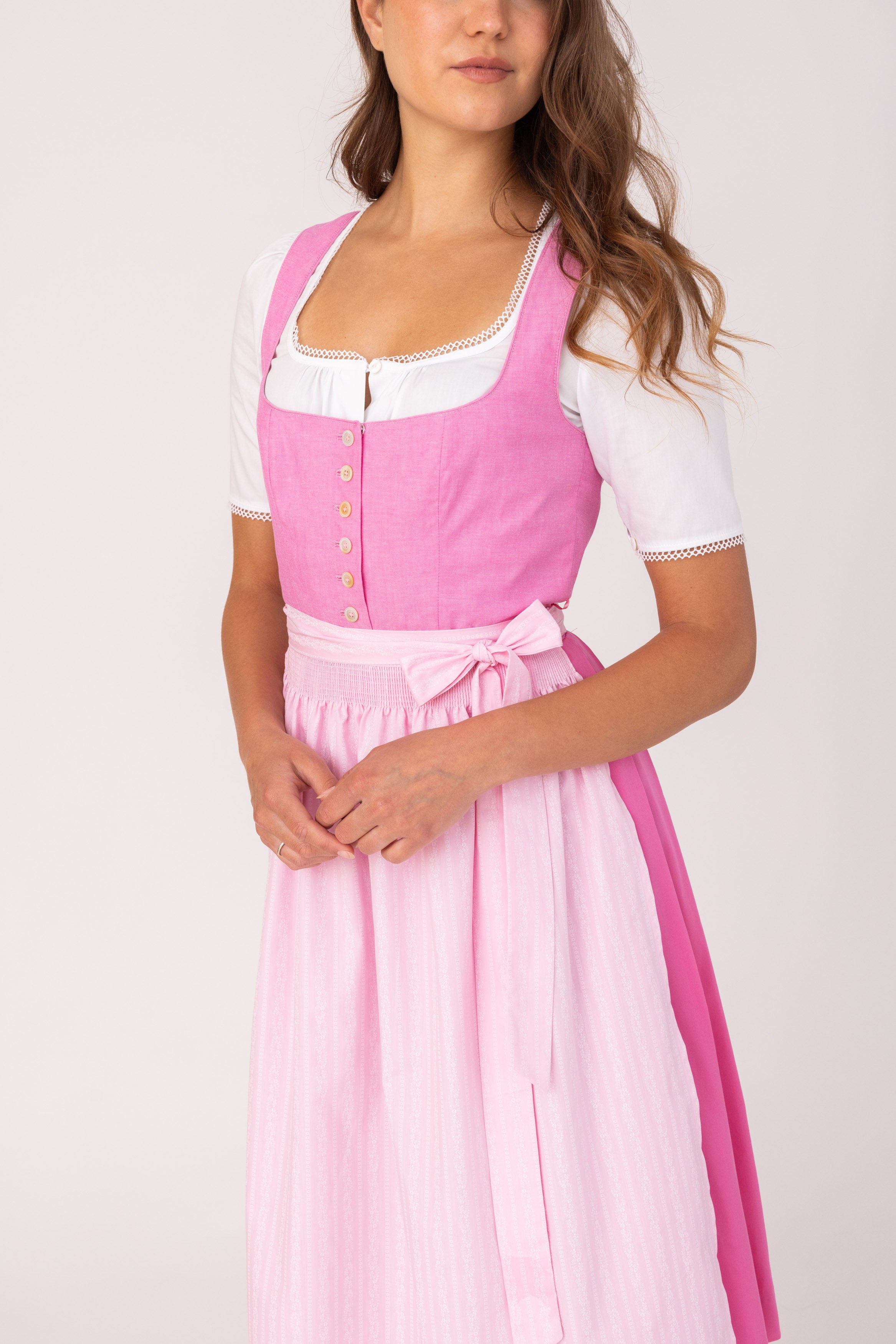
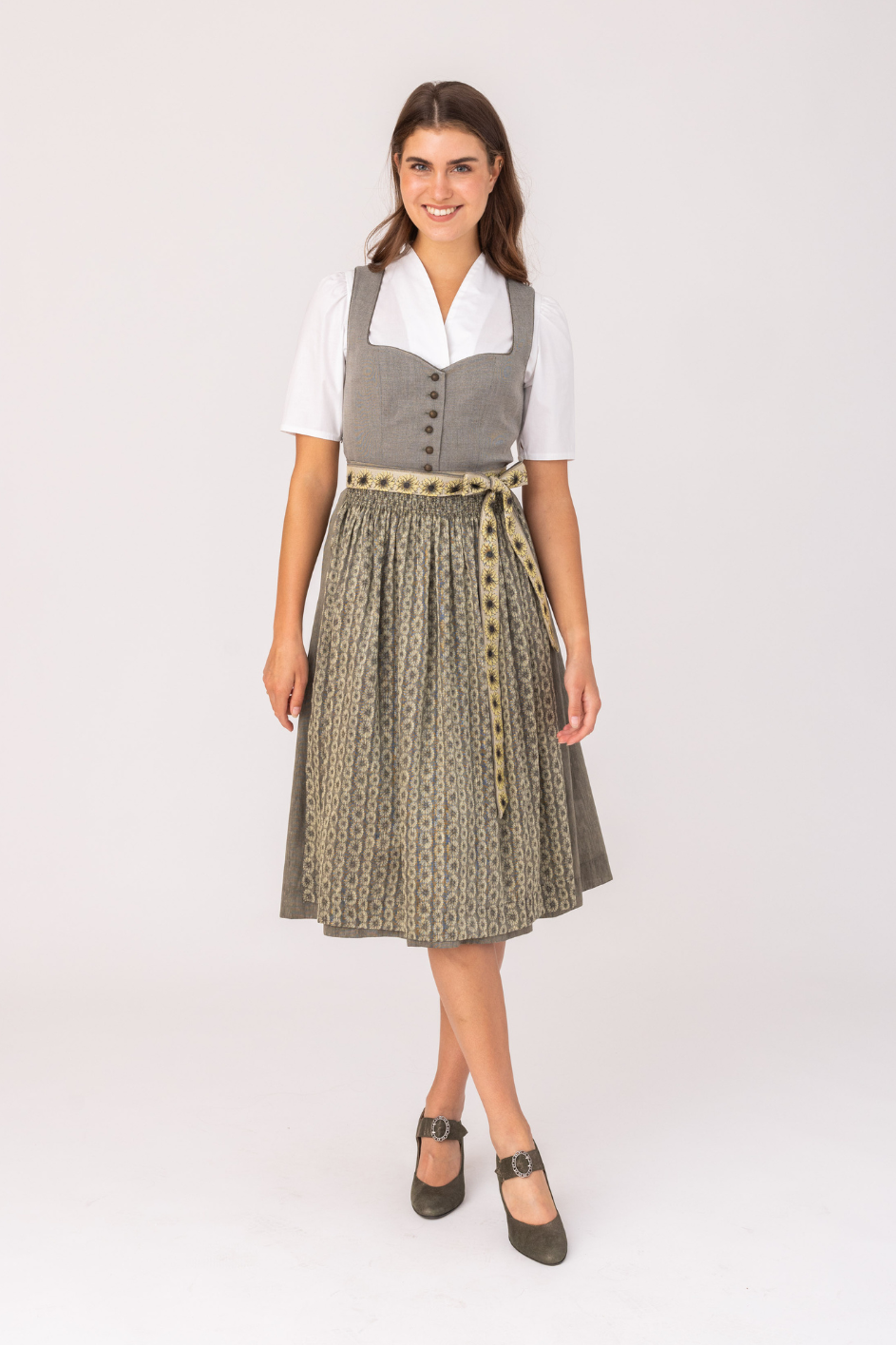
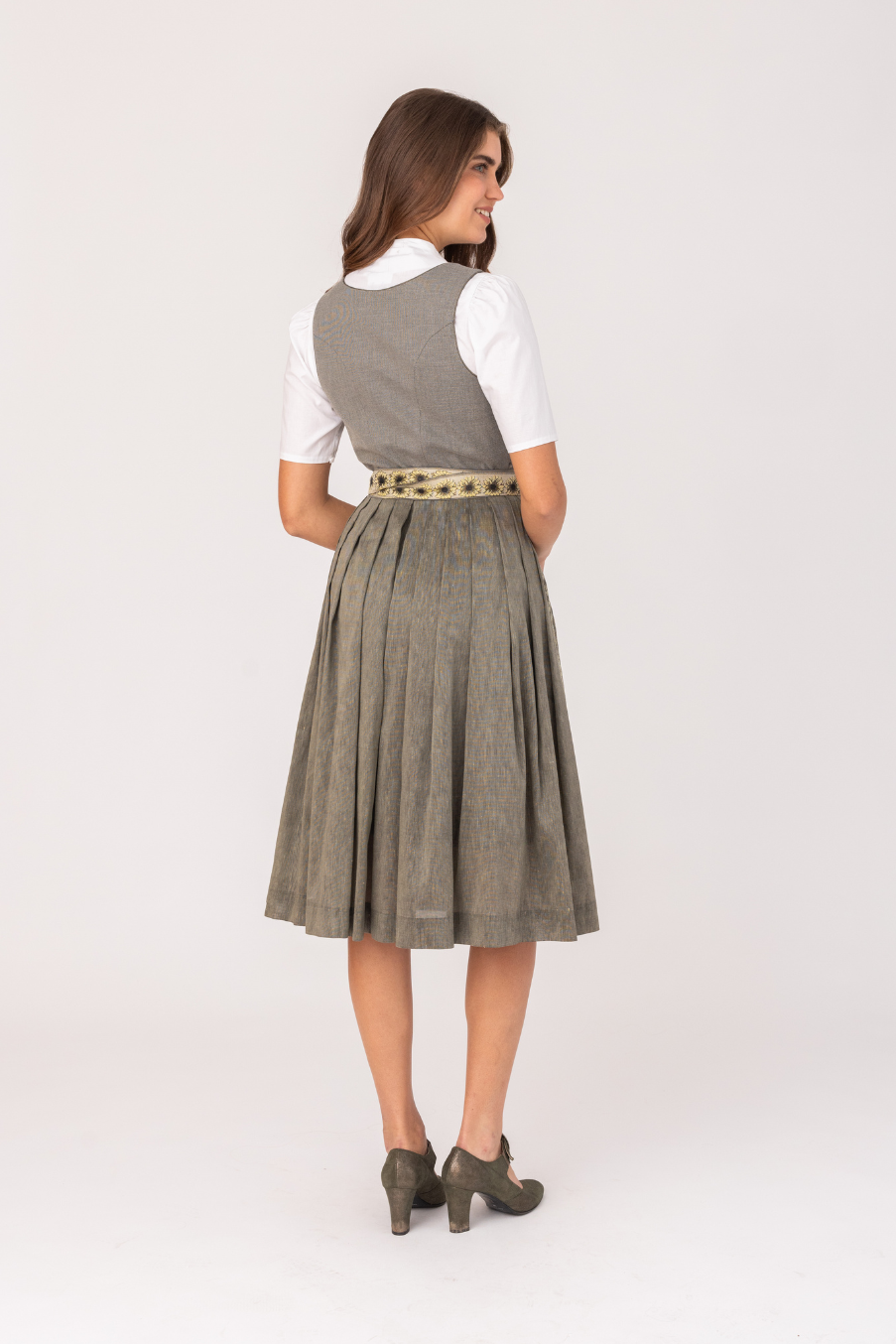
A dirndl should fit close to the body through the upper torso and create a defined silhouette without restricting movement. The bodice should lie smoothly against the body, neither gaping at the neckline nor causing uncomfortable pressure.
When buying, pay particular attention to the fit at the bust and waist. Since the cut and material can vary from one style to another, you’ll find additional fit details for our dirndls directly on each product page.
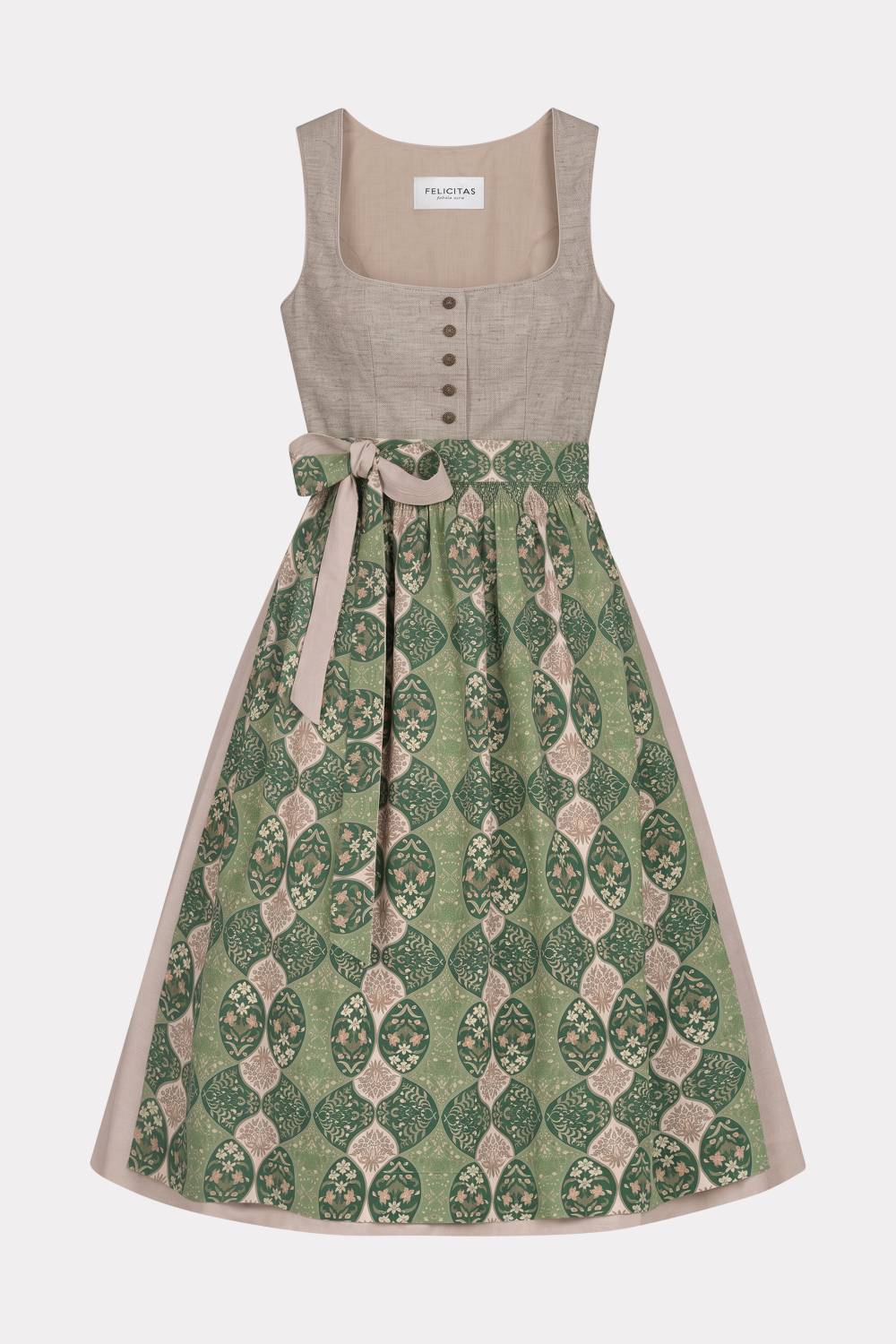
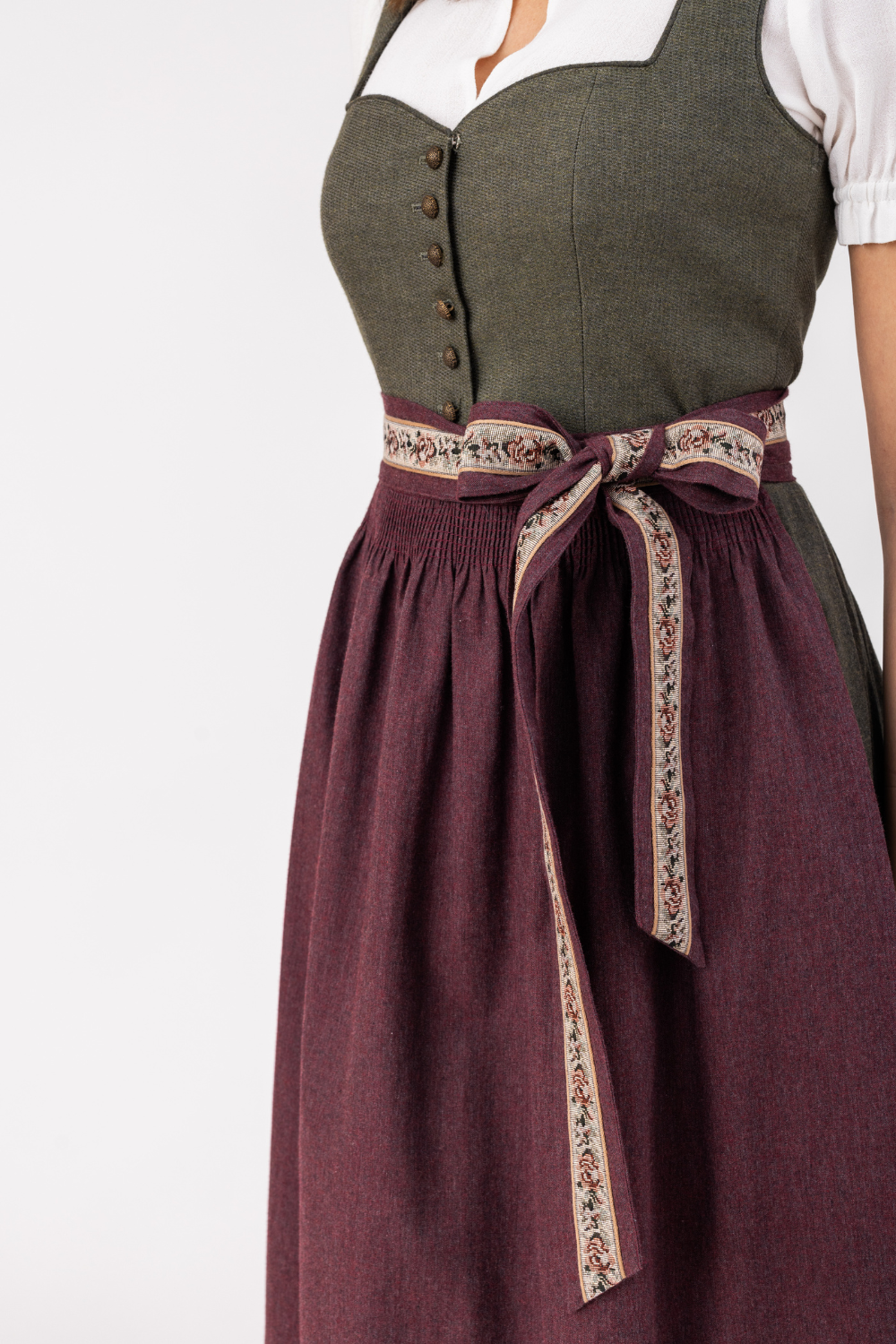
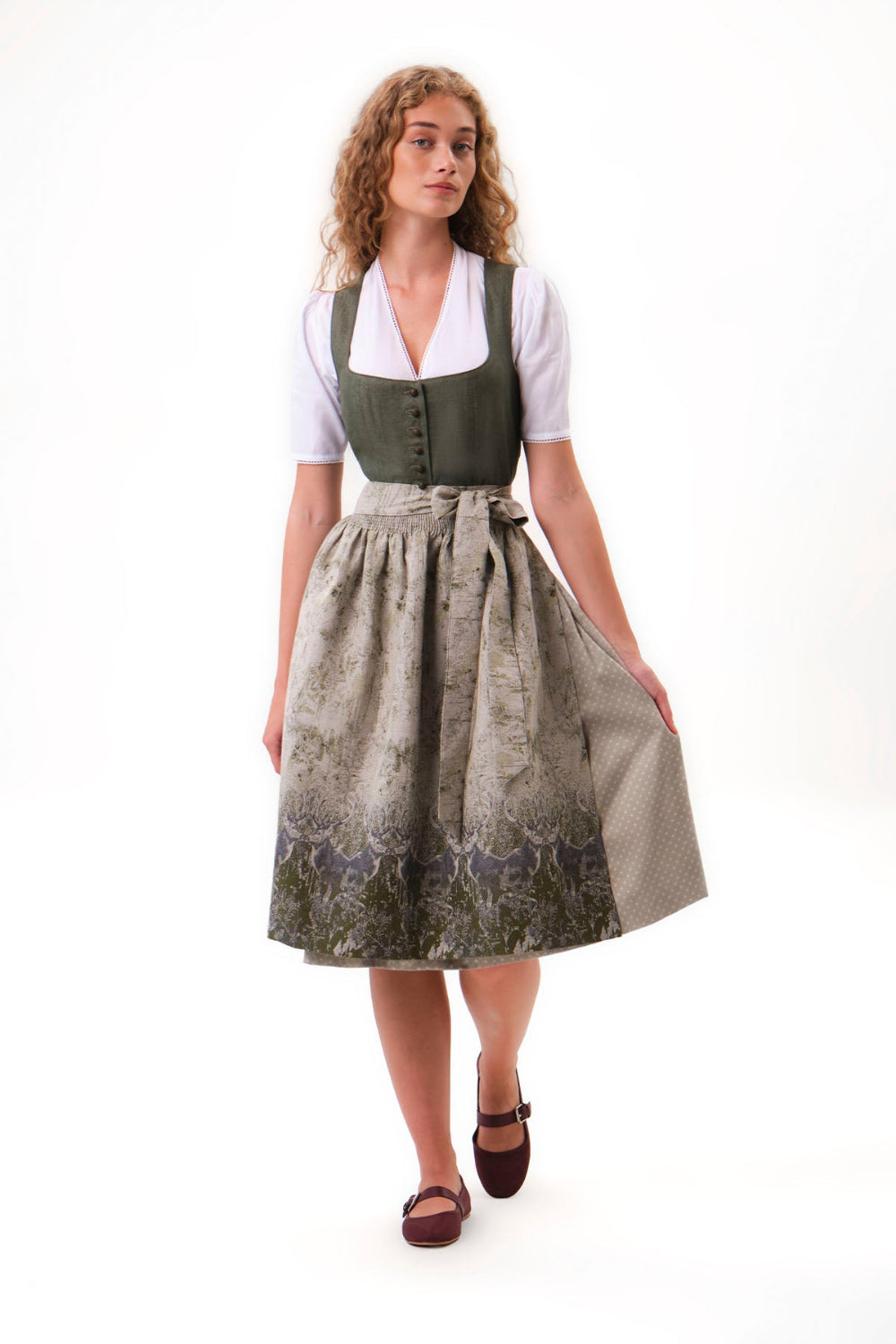
The neckline largely determines the character of your dirndl. A straight neckline looks classic, clean, and timeless. A sweetheart neckline adds a softer, feminine touch and accentuates the décolletage.
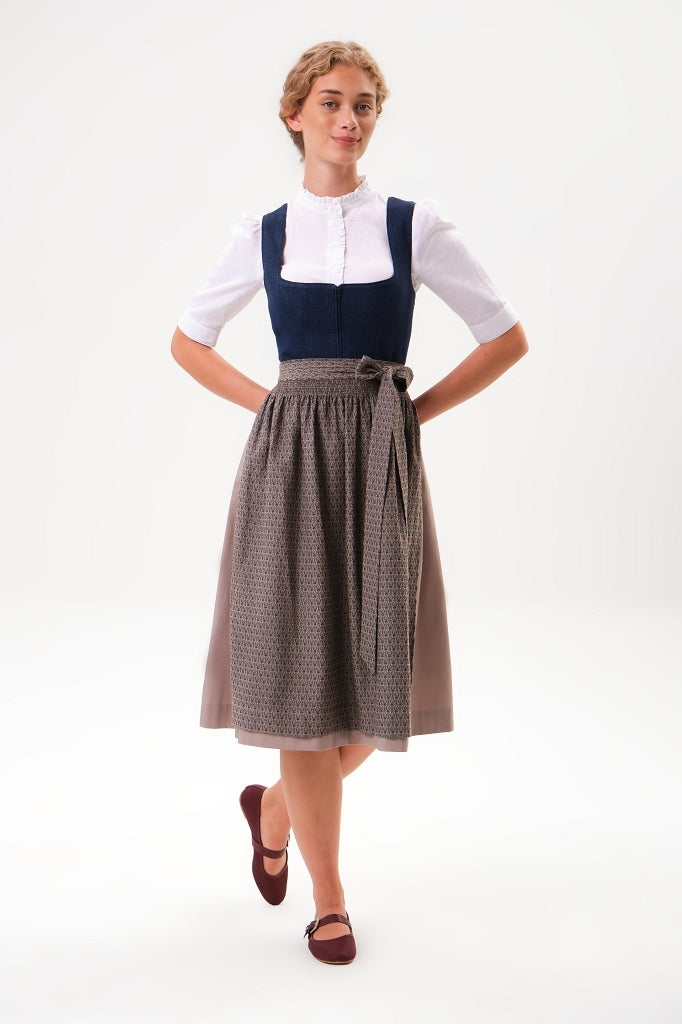
A high-necked dirndl looks particularly elegant and gives traditional attire a modern interpretation.
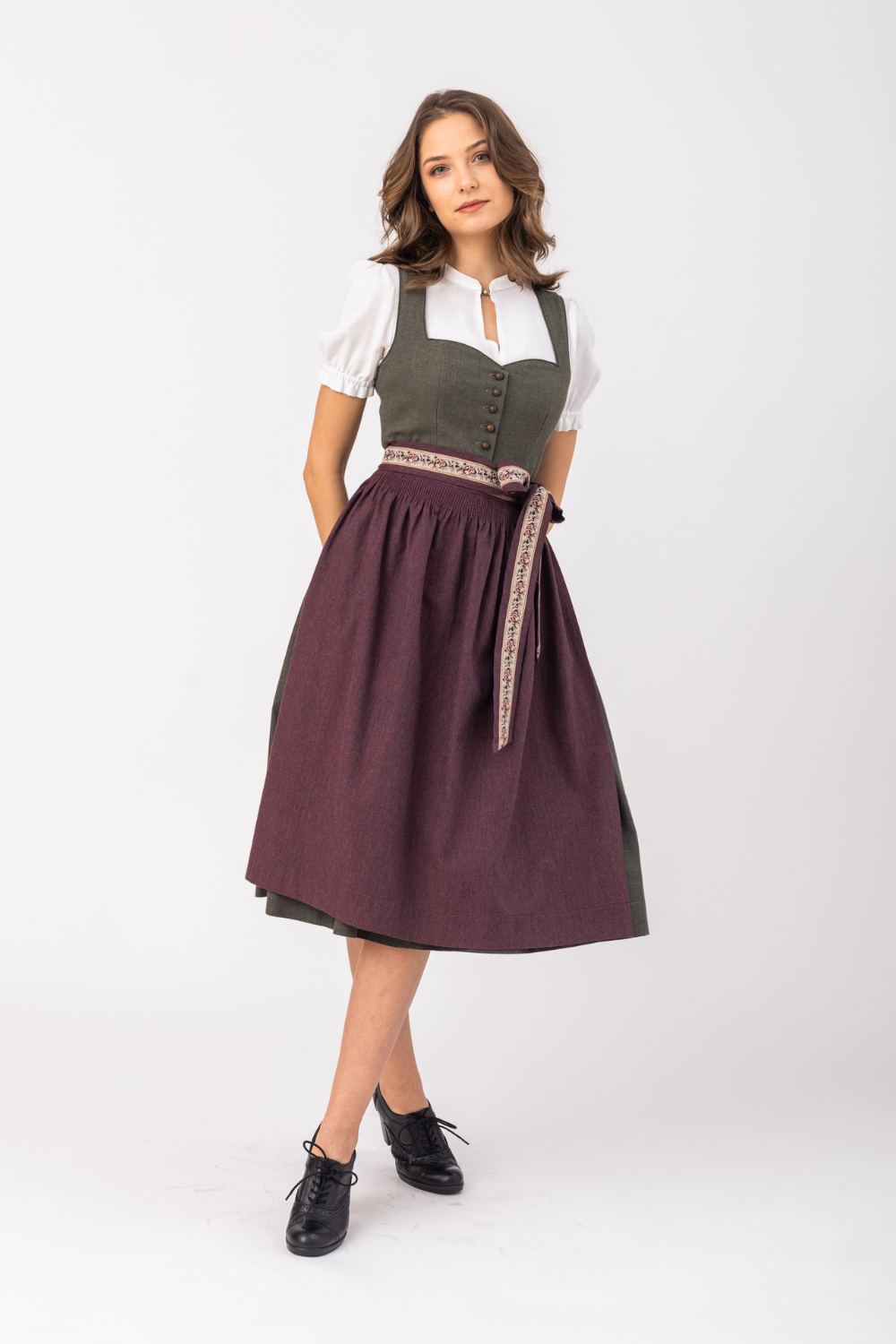
The right dirndl blouse also changes the look, allowing you to combine the same dirndl in new ways again and again.
You’ll find our classic dirndls mainly with a 70 cm or 80 cm skirt length.
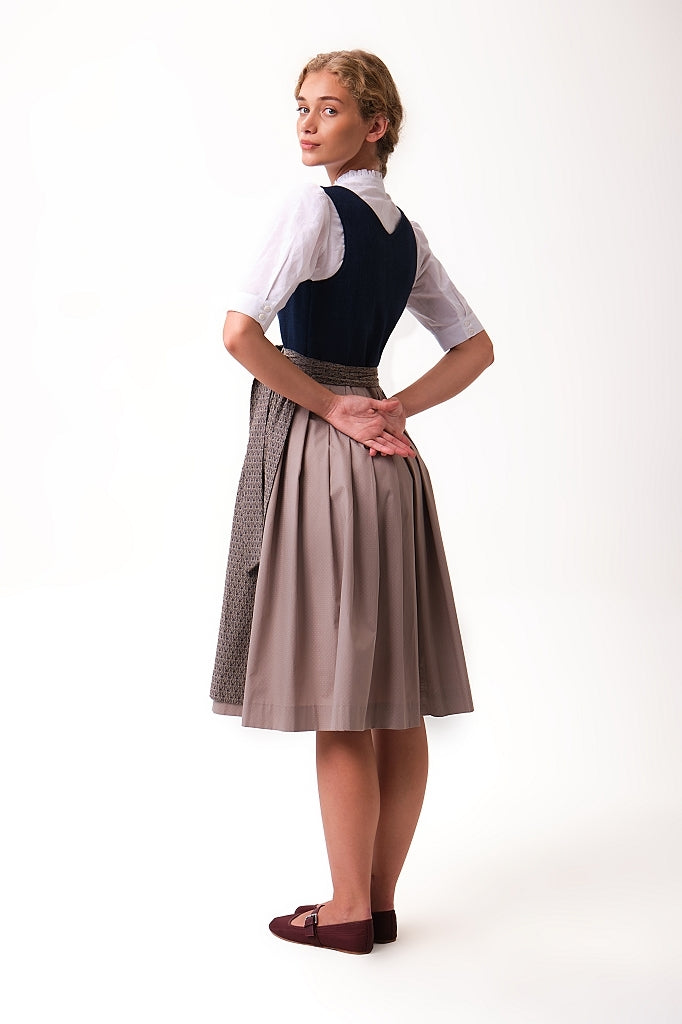
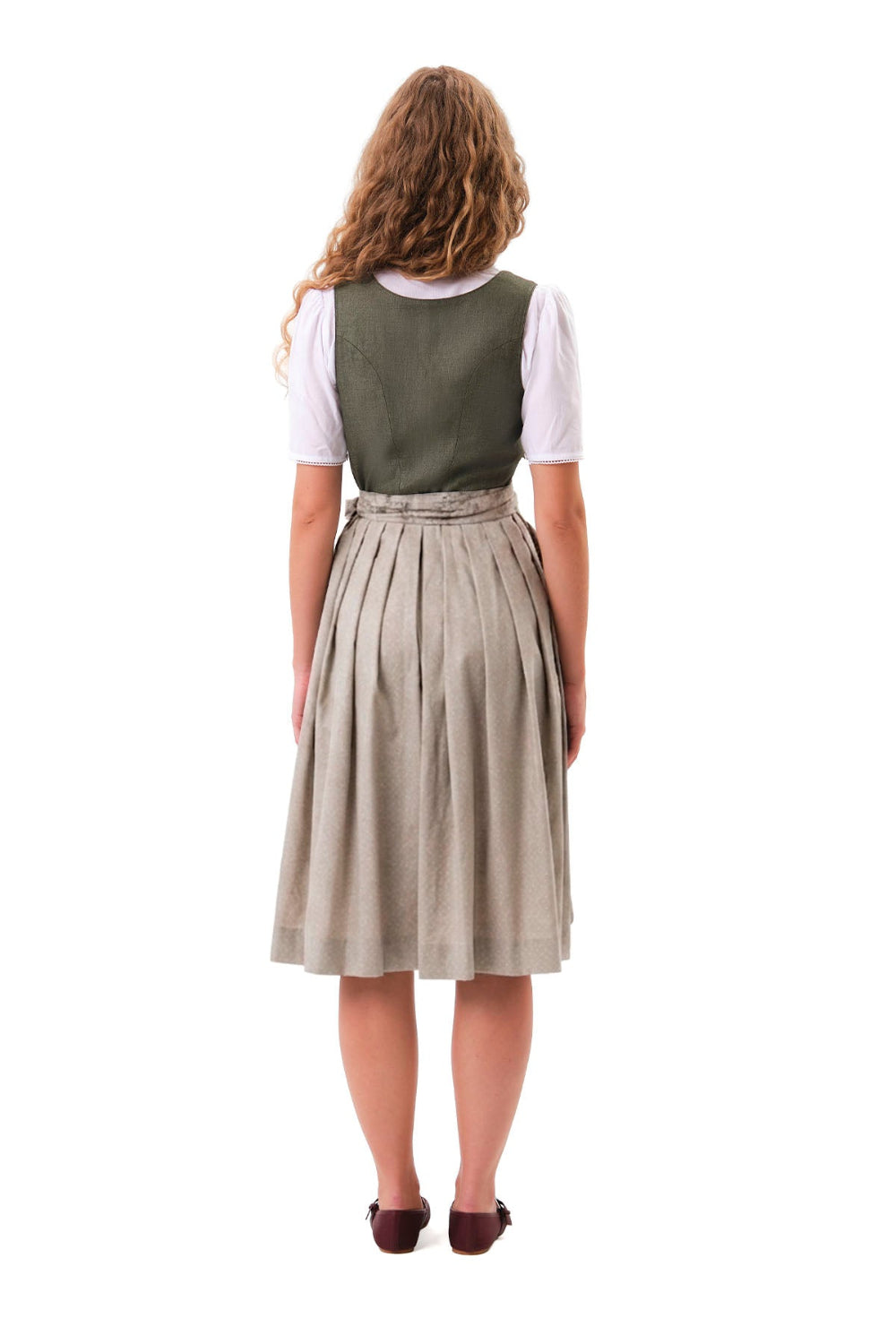
The 70 cm length is versatile and, depending on your height, ends approximately at or below the knee. It’s suitable for folk festivals as well as weddings and family celebrations.
The 80 cm length looks longer and particularly elegant, giving the dirndl a refined, traditional silhouette.
Which length suits you best depends mainly on your height and personal style.
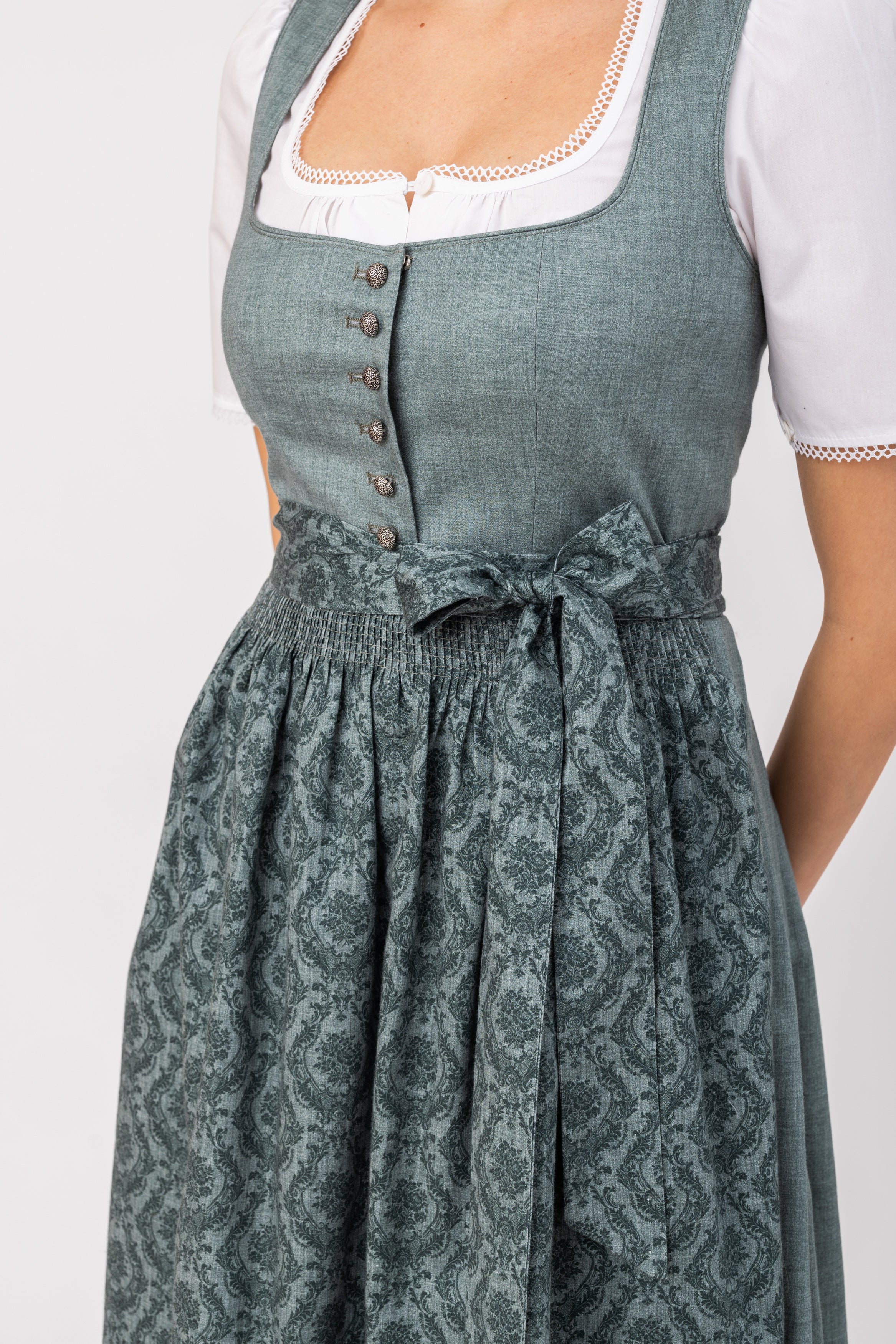
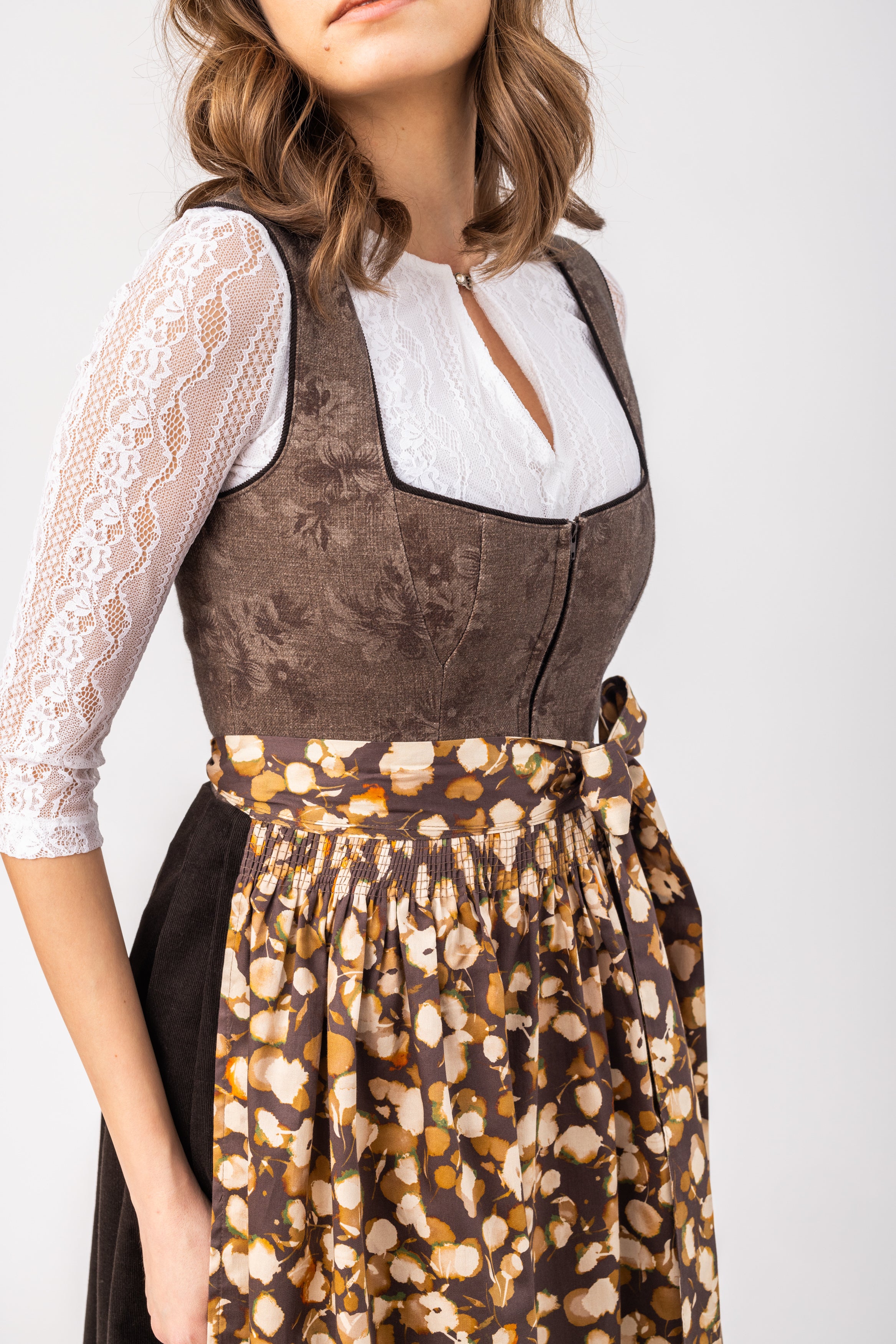
Depending on the model, we use high-quality natural materials and selected fabric blends such as Cotton, linen, wool, velvet, jacquard, and fine corduroy.
Cotton and linen provide natural lightness and comfortable wear. Velvet, jacquard, and wool fabrics give a dirndl more depth and are particularly suitable for festive looks and the cooler months.
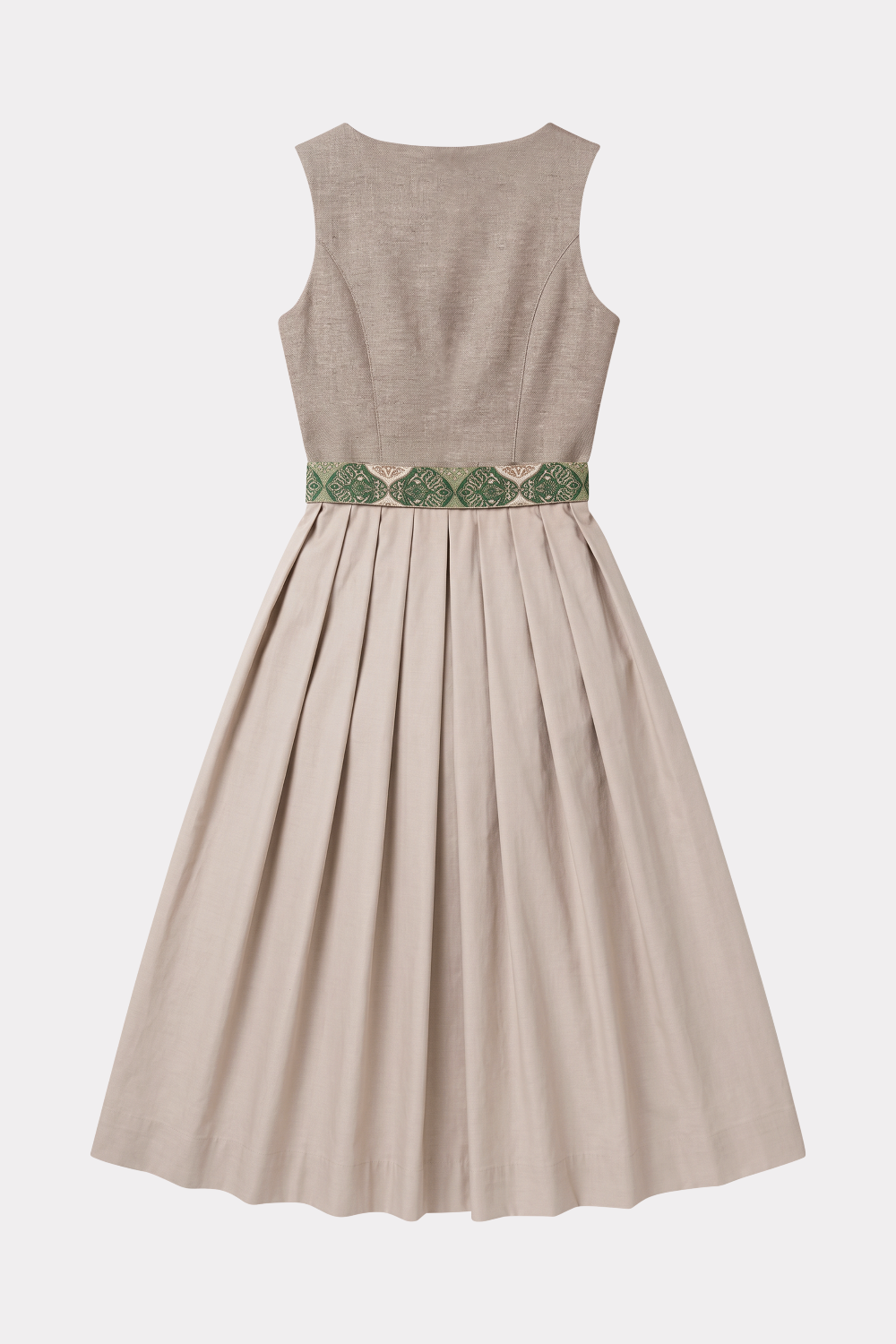
The bodice, Skirt, apron, and piping are carefully coordinated for every model.
Since 1928, Felicitas has stood for Salzburg traditional dress with a clear, timeless identity.
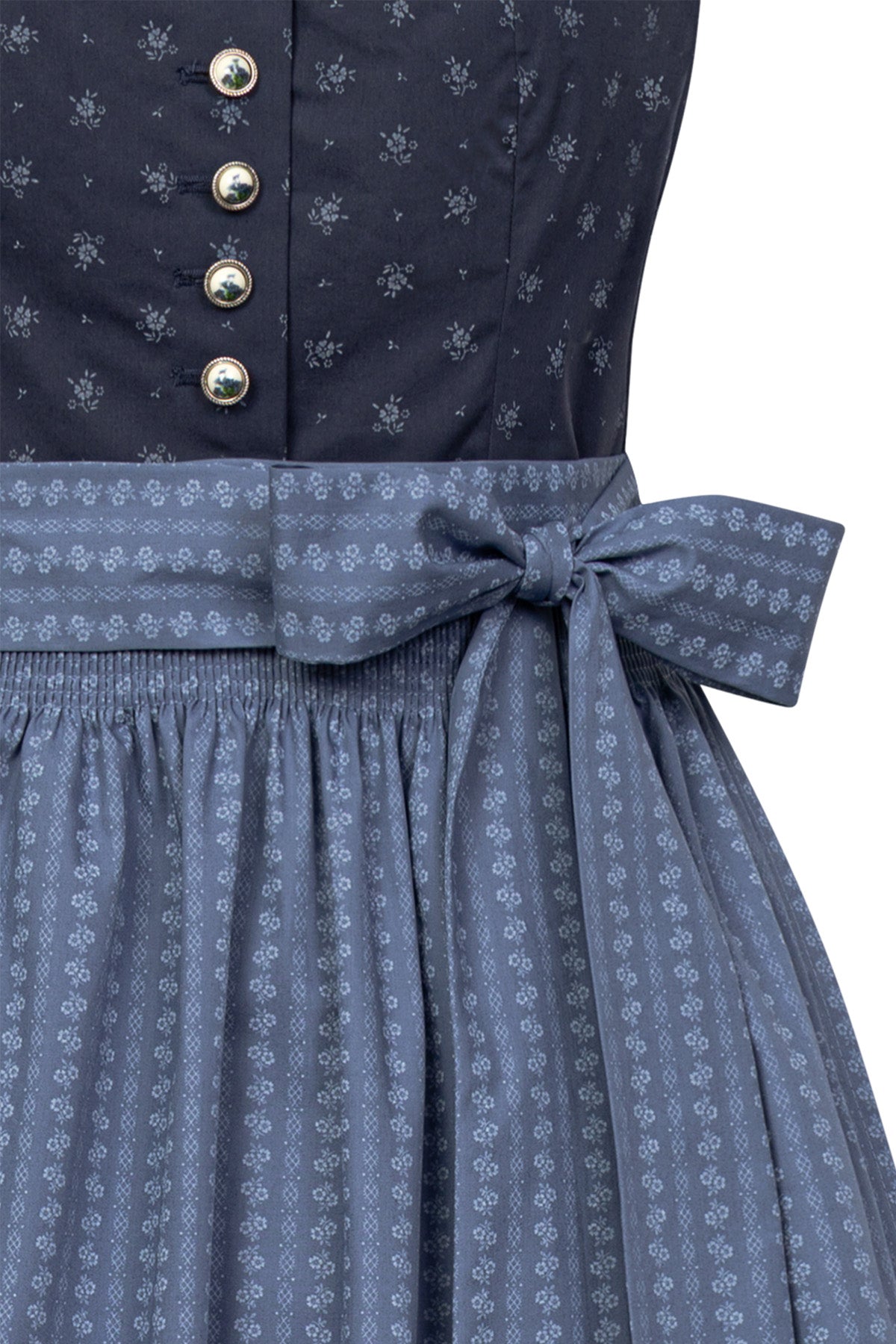
Our dirndls combine traditional elements with understated silhouettes, high-quality materials, and carefully crafted details. Fine pleats, heart-shaped ruffles, decorative stitching, lace, distinctive buttons, and piped trims give many of the designs their characteristic expression.
The collections are designed in Salzburg and carefully made within Europe. Many designs are produced in small runs—for dirndls that are made to last beyond a single season.
The right dirndl blouse can significantly change the character of your dirndl.
Classic blouses with a round neckline or small stand collar pair particularly harmoniously with a straight neckline. A sweetheart neckline can be beautifully combined with feminine ruffles, lace, or a matching low neckline. A minimalist blouse looks particularly elegant with a high-necked dirndl—some styles can also be worn without a traditional dirndl blouse.
Above all, it is important that the neckline and blouse create a harmonious line together.
A high-quality dirndl isn’t made for just one occasion.
You can wear your dirndl to weddings, family celebrations, folk festivals, Oktoberfest, Rupertikirtag, or other festive occasions . With a different dirndl blouse, apron, jacket, or matching accessories, you can reinterpret the same look again and again.
This way, a timeless dirndl becomes a garment that accompanies you through many years and many special moments.
Traditionally, the position of the dirndl bow is associated with a specific meaning:
- Left: single
- Right: in a relationship or married
- Back: traditionally a widow or a waitress
The meaning may vary by region, and today not every woman wears it strictly according to these rules. Nevertheless, it remains part of the tradition surrounding the dirndl to this day.
The right care always depends on the materials of the particular dirndl. The bodice, Skirt, lining, and apron may be made from different fabrics and therefore have different care requirements.
Therefore, always follow the care label and care instructions on the respective product page. Delicate materials such as velvet, wool, jacquard, or silk often require especially gentle or professional cleaning.
Proper care helps preserve the shape, color, and quality of your dirndl for as long as possible.
